
Last updated November 25, 2026
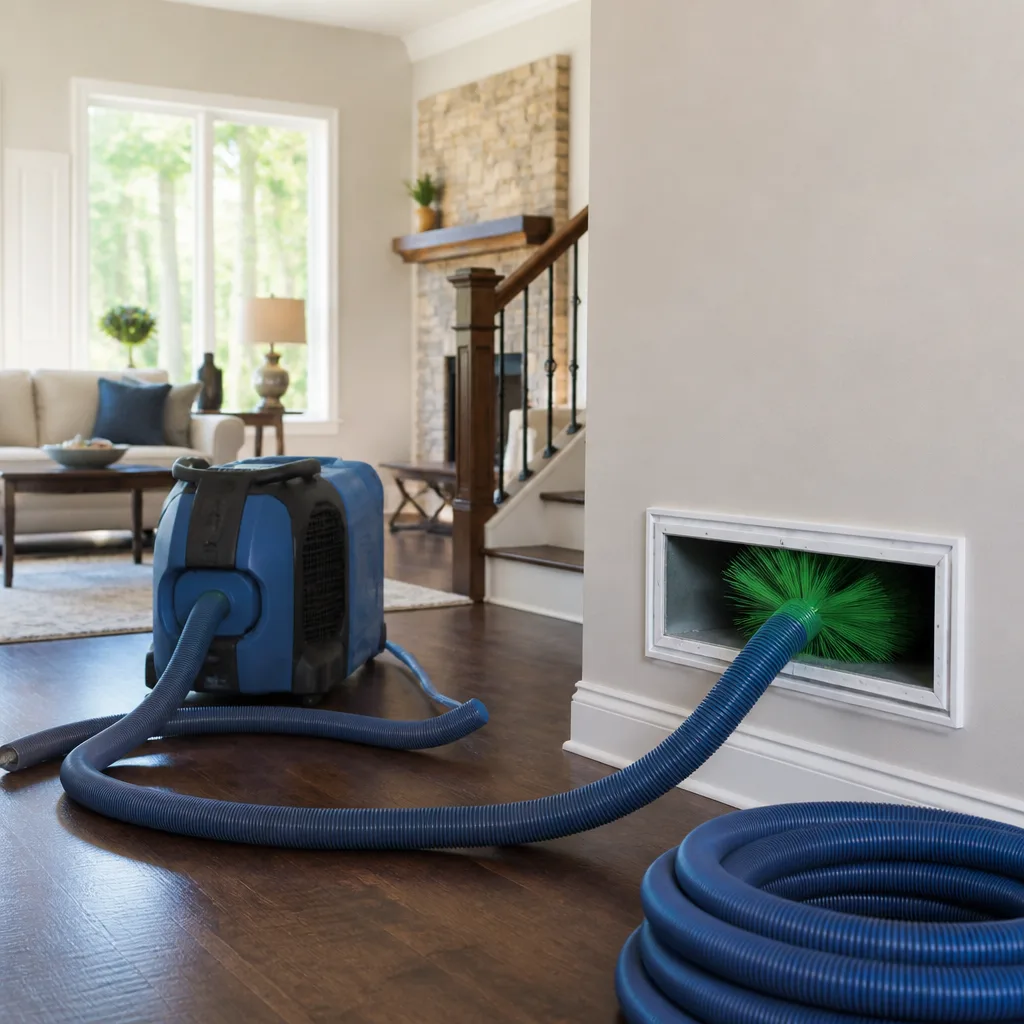 Whole-home duct cleaning
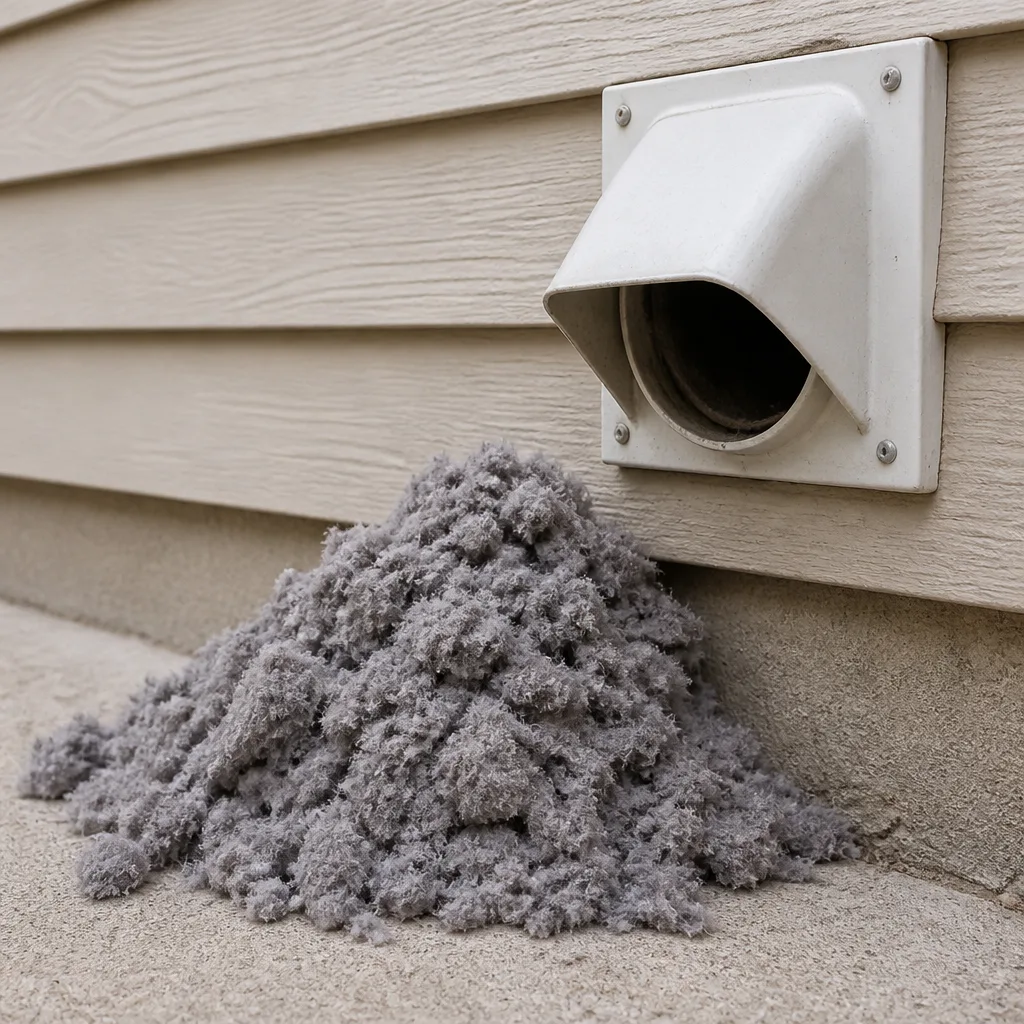 Dryer vent cleaning
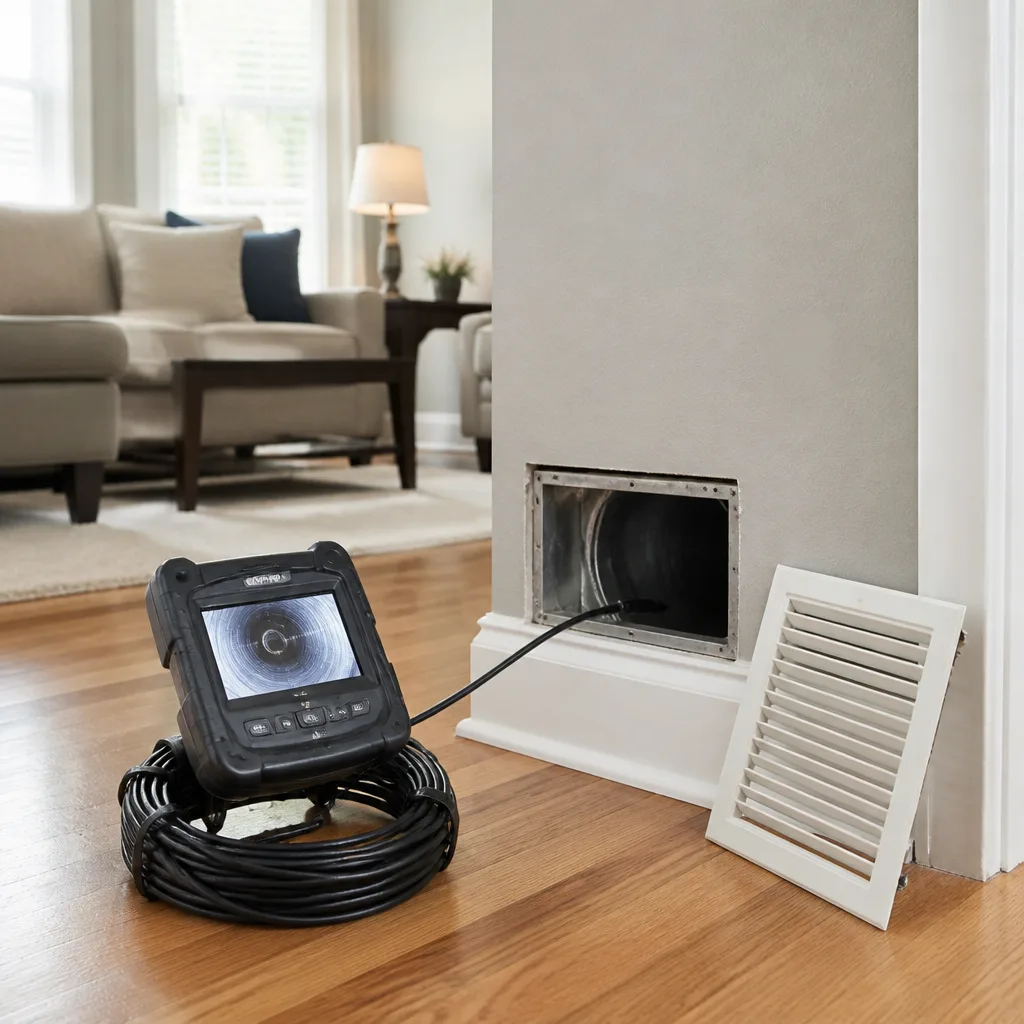 Camera inspection
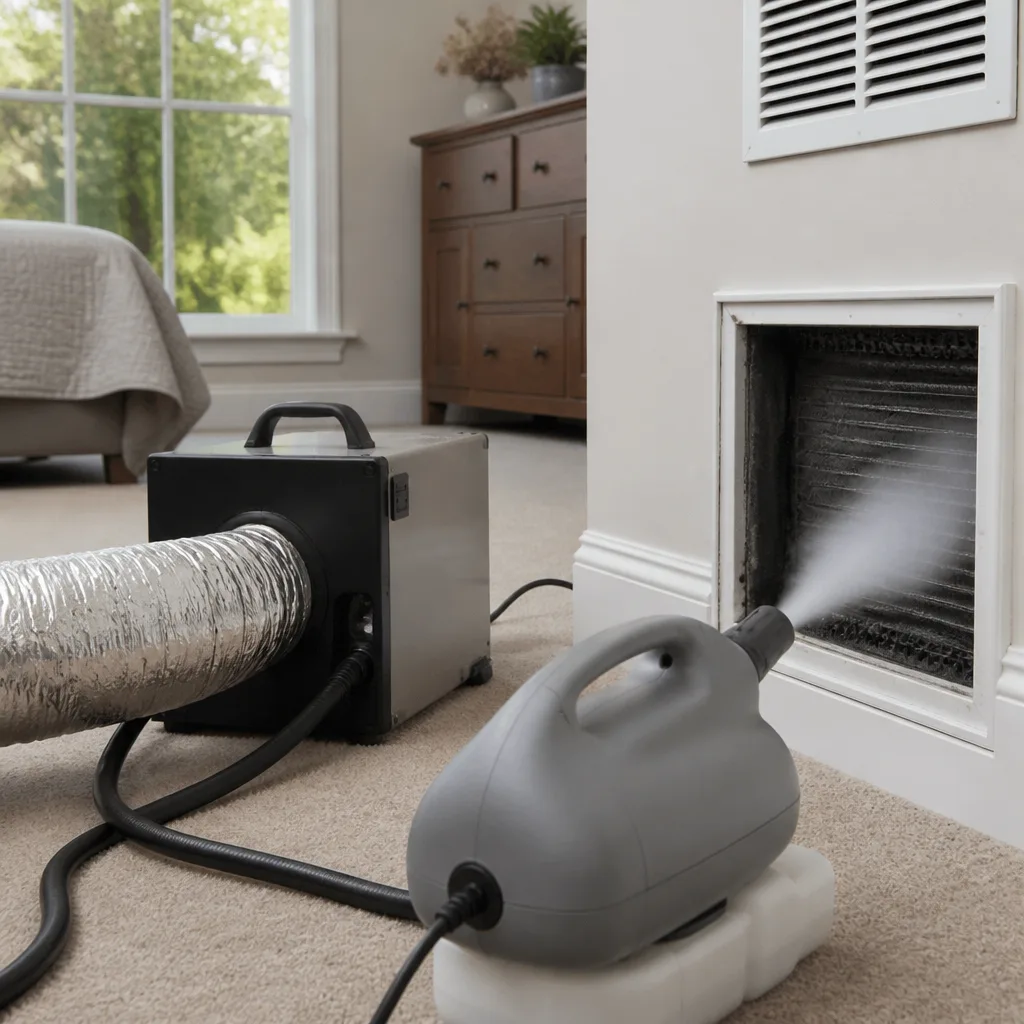 Sanitizing & deodorizing
Whole-system duct and dryer vent check with before-and-after photos - you see exactly what came out of your vents
That "$99 whole-house special" is a bait ad - the real number appears once they are in your hallway, or the "clean" is a shop-vac at the register. We photograph the inside of your ducts before and after instead.
The Complete Guide to Air Duct Cleaning in Newport Beach
Most air duct guides are written for landlocked climates, and that matters if your home sits within a few miles of the Pacific. The advice you’ll find on most sites assumes dry air, forced-air heating running hard all winter, and dust that behaves a certain way. Newport Beach doesn’t work like that. Here the air is damp for much of the year, the marine layer parks itself over the mesa and the flats, and the HVAC system spends more time moving cooled air than hot. Contaminants settle differently, stick differently, and hide in different places. This guide covers what actually accumulates in Newport Beach ductwork, how source-removal cleaning differs from a quick vacuum, and how to tell which one you’re being sold.
Quick Answer
Air duct cleaning in Newport Beach is a full-system process: mechanical agitation of every branch line, containment so loosened debris doesn’t drift back into living spaces, and a written verification of before-and-after airflow. Because of the marine-layer humidity and fine particulate that drifts in from inland, coastal Orange County homes tend to build up sticky residue on flex duct and at supply registers faster than inland homes do, which is why a whole-system assessment matters more here than a quick surface pass. Expect a proper job to take several hours and to end with documentation you can actually read.
Styles & brands we work with
- Whole-home duct cleaning
- Dryer vent cleaning
- Camera inspection
- Sanitizing & deodorizing
Table of Contents
- Why Newport Beach Ductwork Collects Different Contaminants
- Source Removal vs. Blow-and-Go: How to Tell the Difference
- Mixed Duct Materials in Balboa Island and Corona del Mar
- What Salt-Air Environments Do to Sheet Metal Ducts
- What a Full-System Cleaning Actually Involves
- What a Post-Cleaning Verification Report Should Include
- Beyond Cleaning: Sealing, Filtration, and Air-Quality Upgrades
- Dryer Vents: The Safety Service Homeowners Forget
Why Newport Beach Ductwork Collects Different Contaminants
Newport Beach sits in a band of coastal air that holds moisture differently than inland Orange County. The marine layer that rolls in most nights keeps relative humidity elevated through the morning, and the onshore flow carries fine particulate from the ocean surface and from inland drift. That combination changes what ends up inside your ductwork.
In drier climates, dust stays loose. It sits on the duct floor and a vacuum lifts it cleanly. Here, moisture gives that dust somewhere to stick. Spores from outdoor mold and pollen attach to the slightly damp inner walls of flex duct, and once they’re adhered, a straight vacuum pass doesn’t remove them. Mechanical agitation is required to break the bond before extraction. That’s one reason the equipment matters: a brush-head system running through the full length of each branch line reaches what a hose alone won’t.
Register grilles tell the same story. Look at the supply registers in a Newport Beach home that hasn’t been serviced in several years and you’ll often see a dark film that wipes off rather than dusts off. That film is the visible edge of what’s built up further back in the run.
- Marine-layer humidity keeps flex duct interiors slightly damp, which accelerates spore adhesion
- Fine particulate drift from inland enters through return air and settles in low spots of the duct run
- Cooling-dominated operation means the system pulls air through a cool, occasionally damp evaporator coil area more months of the year than a heating-dominated climate would
- Long duct runs in larger Newport Beach homes give contaminants more surface to attach to before reaching a register
- Renovation dust from remodeling projects traps in existing ductwork and recirculates for years if never extracted
The practical takeaway: coastal accumulation is stickier and more adhered than inland accumulation, so the cleaning method has to address adhesion, not just accumulation. That’s the difference between a system that’s genuinely clean and one that looks clean at the register but isn’t. If you want the service overview, our air duct cleaning page covers what’s included.
Source Removal vs. Blow-and-Go: How to Tell the Difference
Source removal is the industry standard: physically dislodging contaminants from every interior surface of the duct system and extracting them, with containment in place so nothing escapes into the home. Blow-and-go is a cheaper shortcut where air is pushed through the system without mechanically agitating surfaces or capturing the loosened material, so the contaminants end up redistributed rather than removed. The two can look similar from ten feet away and produce very different results.
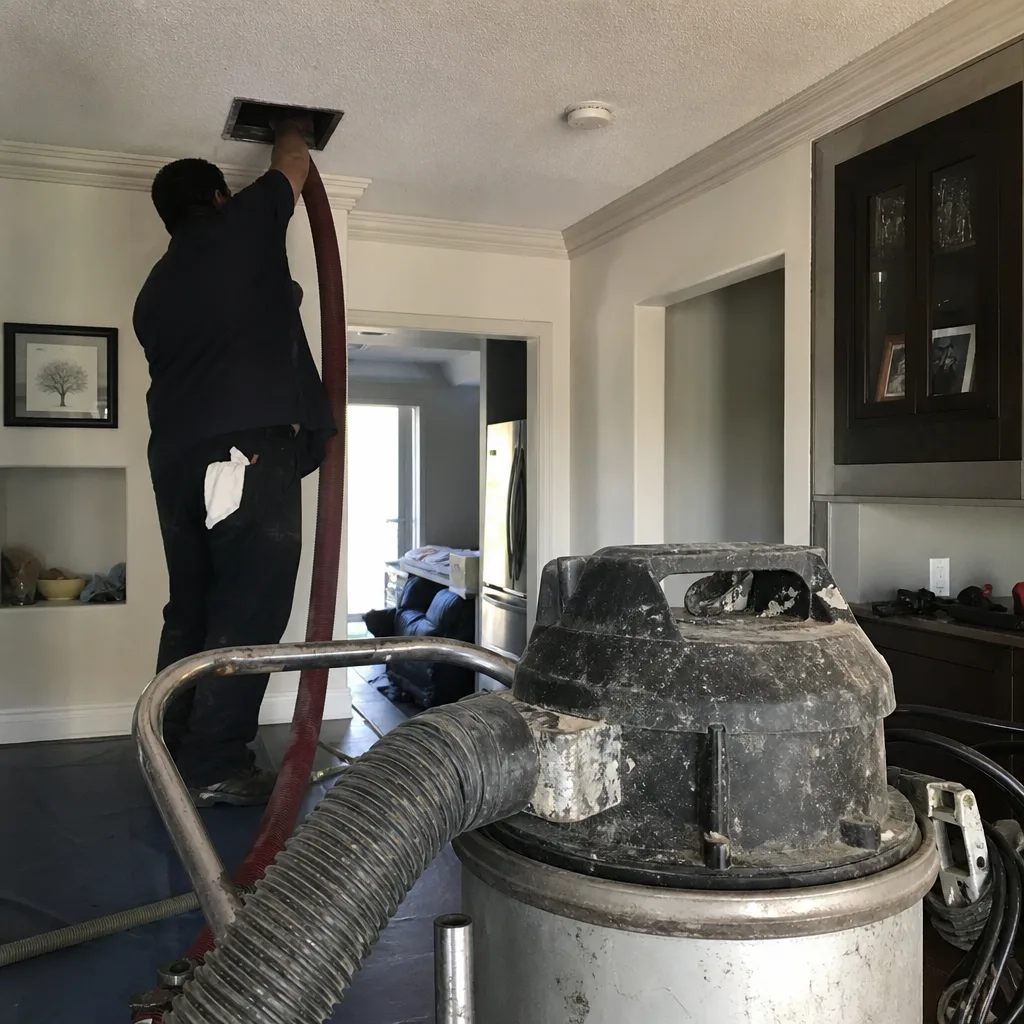
In practice the difference shows up in equipment, time, and documentation. A source-removal job uses a mechanical agitation head that travels the full length of each branch line, high negative pressure from a containment unit, and enough time at each register to actually reach the far end. The cheap version runs a shop-vac-grade hose into a few accessible spots and calls it done.
- Ask what agitation tool they use. Named mechanical systems like Rotobrush or Nikro indicate a professional platform. “We use a big vacuum” doesn’t.
- Ask how containment works. Abatement Technologies-grade negative-pressure equipment signals that the crew plans to hold loosened debris inside the system until it can be extracted.
- Ask how long the job takes. A thorough whole-system clean runs several hours depending on the number of registers and the layout of the run.
- Ask what you’ll receive afterward. A verification report with before-and-after readings is the marker of a real job.
- Ask whether they inspect the air handler and coil. A source-removal technician will want to see the entire system, not just the supply side.
If a quote seems unusually low relative to the size of your home and the number of registers, ask which of the above is included. That answer tells you more than the price.
Mixed Duct Materials in Balboa Island and Corona del Mar
Older residential areas of Newport Beach often have duct systems that started as one material and were partially upgraded over time. On Balboa Island in particular, with its tight lots and small-footprint homes, retrofits often leave you with a mix: original rigid galvanized trunk lines feeding flex branch runs, or the reverse. Corona del Mar homes can have the same pattern where a partial remodel updated one wing but not the other.
That matters because each material needs a different cleaning protocol. Rigid sheet metal tolerates aggressive brush agitation and high-pressure air well. Flex duct is more delicate: the inner liner can be damaged by the wrong tool, and once the liner tears, the duct becomes a trap for debris and a path for condensation. A technician who uses the same method on both materials is guessing.
- Rigid galvanized: brush and air-whip agitation, high-pressure extraction, visual inspection of joints for loosened material
- Flexible duct: softer brushing to protect the inner liner, careful extraction, and verification that the liner is intact after cleaning
- Fiberglass-lined duct board: gentle surface treatment only, since aggressive tools can fray the lining and leave fibers circulating
- Transition points: where materials meet, check for gaps and loose connections that let contaminants re-enter
On a multi-material system, the cleaning protocol has to be mapped to each section. That’s part of the reasoning behind one full-system assessment rather than a single method applied everywhere. During that assessment we also check for connections that should be sealed, which is where our HVAC cleaning work overlaps with duct cleaning.
What Salt-Air Environments Do to Sheet Metal Ducts
Salt-laden air is corrosive to standard sheet metal over time. Inside a duct system the environment isn’t the same as outdoors, but homes with strong indoor-outdoor air exchange, and duct systems that draw from crawl spaces or garages, can see accelerated degradation at joints, seams, and any fastener that’s mild steel rather than coated. The visible effect is often a light chalky oxidation on joint surfaces, and in more advanced cases a pinhole or seam separation that lets air leak out.
That’s the practical reason inspection frequency matters more in Newport Beach than in a landlocked city. A corroded seam is not just a small leak. It’s an entry point for unfiltered air, and once a joint opens up, dust and spores enter downstream of the filter, where the HVAC system can’t catch them.
During a cleaning visit, a technician should be checking joints along the trunk lines and at the plenum, looking for separation, loosened fasteners, and oxidation. If a joint is failing, cleaning alone doesn’t solve it. It needs to be repaired and sealed as part of the same visit. That’s the reason we carry repair and sealing as a service line rather than treating cleaning as the end of the job.
How often should you inspect? For an older Newport Beach home, particularly one with rigid metal trunk lines and any ductwork routed through a garage or crawl space, a full inspection at the same time as cleaning is sensible, and a shorter visual check at the plenum every few years. For a newer build with fully conditioned duct routing, longer intervals between inspections are reasonable.
What a Full-System Cleaning Actually Involves
A full-system clean touches every part of the air path from the return grille to the supply registers, not just the visible lines. Here’s what the sequence looks like on a typical Newport Beach home.
- Full-system assessment. The technician maps the system: return side, supply side, branch count, register locations, duct materials, and the air handler. Areas of concern are noted before any equipment comes out.
- Containment setup. A high-negative-pressure containment unit connects to the system, so loosened debris is captured rather than pushed into rooms.
- Register and grille removal. All supply and return covers come off so the full duct interior is accessible.
- Mechanical agitation of each branch line. A rotary brush or air-whip head runs the full length of each branch, breaking adhered material loose from the interior surface.
- Trunk line and plenum cleaning. The larger duct sections and the air handler plenum get the same treatment.
- Extraction. The containment unit pulls loosened material through HEPA-grade filtration and captures it.
- Coil and air handler inspection. The evaporator coil and blower are checked for contaminant buildup and, where needed, cleaned.
- Reassembly and verification. Registers go back on, the system runs, and airflow is measured at representative registers against the pre-cleaning baseline.
- Report. You receive documentation of what was found, what was cleaned, and how airflow changed.
The whole sequence typically takes several hours in a Newport Beach home, and longer for larger homes with many registers or multi-material ductwork. For a full breakdown of the parent service, see Newport Beach Air Duct Cleaning.
What a Post-Cleaning Verification Report Should Include
Before-and-after airflow readings matter more than photos, and they belong at the front of any verification report. Photos show what the register looked like. Airflow numbers show whether the system is actually moving air more freely. A duct system that’s been mechanically cleaned properly will show a measurable increase in airflow at the registers, and that’s a fact you can verify rather than an impression you have to trust.
A report worth keeping includes:
- Airflow readings at representative supply and return registers, taken before and after cleaning, with unit of measure stated
- Visual documentation of duct interiors before and after, at multiple points along the run rather than just the register face
- System map showing register count and duct materials by section
- Findings: what was found (adhered spores, corrosion, loose joints, damaged flex liner, coil buildup) and where
- Recommendations: repairs, sealing, or filtration upgrades suggested with reasoning
- Filter condition noted at the time of service, with the filter type recorded
If a report contains only photos and no airflow numbers, that’s not verification, it’s marketing. Ask for readings. A crew using professional equipment will have them.
Beyond Cleaning: Sealing, Filtration, and Air-Quality Upgrades
Clean ducts are only the start. Once contaminants are removed, the next question is what’s going to keep them from coming back. In Newport Beach that question has a specific answer: sealing the joints and transitions that let unfiltered air in, and upgrading filtration so the system catches what it can.
Sealing comes first. Any gap in a return-side duct pulls air from a crawl space, garage, or wall cavity directly into the system, downstream of the filter. Sealing those gaps changes what the filter is being asked to do. Duct repair and sealing work is part of what we carry as a dedicated service line, not a fallback after cleaning.
Then filtration. Standard builder-grade filters catch larger particles but let fine particulate through. Upgrading to a higher-rated filter system, or a media cabinet rated for it, gives the air handler something better to work with. Filtration upgrades from Honeywell and Aprilaire are part of what we can supply and fit on the same visit as cleaning, so the system is improved in one go rather than in stages. Where air quality is the priority and the home has had a renovation or a known mold concern, a sanitizing treatment using Guardsman-grade products can be applied as part of the air-quality service tier.
The sequence generally works like this:
- Clean to source-removal standard
- Repair and seal any joint or connection that allows contamination re-entry
- Upgrade filtration to match the system’s capability
- Sanitize if the situation calls for it
- Set a filter change interval that fits the household
Dryer Vents: The Safety Service Homeowners Forget
Dryer vent cleaning is a distinct safety service, and it deserves its own place in this guide rather than as an add-on. Lint accumulates inside the vent run, and the effect is not just reduced drying efficiency. Restricted airflow behind a running dryer is a fire hazard. Newport Beach homes with long vent runs (particularly those where the vent exits through a wall or roof rather than directly outside) are at higher risk because more lint traps along the way.
The same systematic approach applies here as to duct cleaning: assess the full run, agitate to loosen adhered lint, extract it, and verify airflow at the exterior termination. A dryer that takes two cycles to dry a load is signaling restricted airflow, and it’s worth having the vent checked before considering a repair on the appliance itself.
Because the same technician who’s on site for duct work can also check the dryer vent, treating this as a standalone service means it actually gets scheduled. For details, see our dryer vent cleaning page.
Common Mistakes to Avoid
- Accepting a price with no system assessment. A quote given before anyone has looked at your system is a guess. In Newport Beach homes with mixed duct materials, that guess is often wrong. Ask for the assessment first, then the written estimate.
- Believing a vacuum-only pass removes adhered spores. Marine-layer humidity makes interior surfaces stickier, and a straight vacuum lifts loose dust but leaves adhered material. Mechanical agitation is what removes it.
- Skipping the verification report. If there’s no before-and-after airflow data, you have no way to know whether the job changed anything. Ask for readings, not just photos.
- Cleaning without fixing the cracks. A corroded joint or a loose duct connection will refill the system with contaminants within months. Cleaning without sealing is a partial fix.
- Ignoring the air handler and coil. Cleaning the ducts while leaving a contaminated evaporator coil in place doesn’t improve the air quality, and often the coil is where the contamination is concentrated.
- Treating the dryer vent as an afterthought. A restricted dryer vent is a fire hazard, not a convenience problem, and it warrants the same systematic approach as HVAC work.
- Assuming newer construction doesn’t need cleaning. Construction dust settles in a new duct system before the first occupant moves in, and it recirculates for years if never extracted.
See the difference
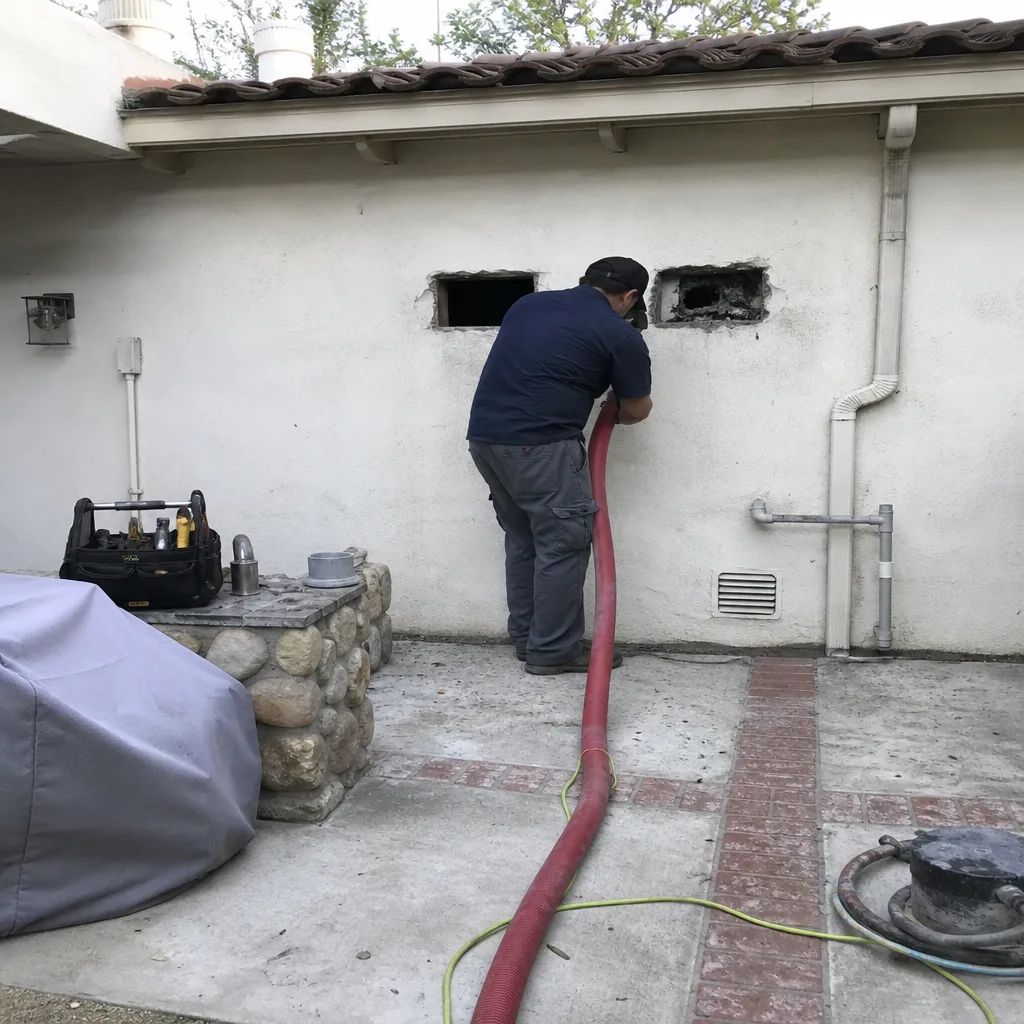 Before
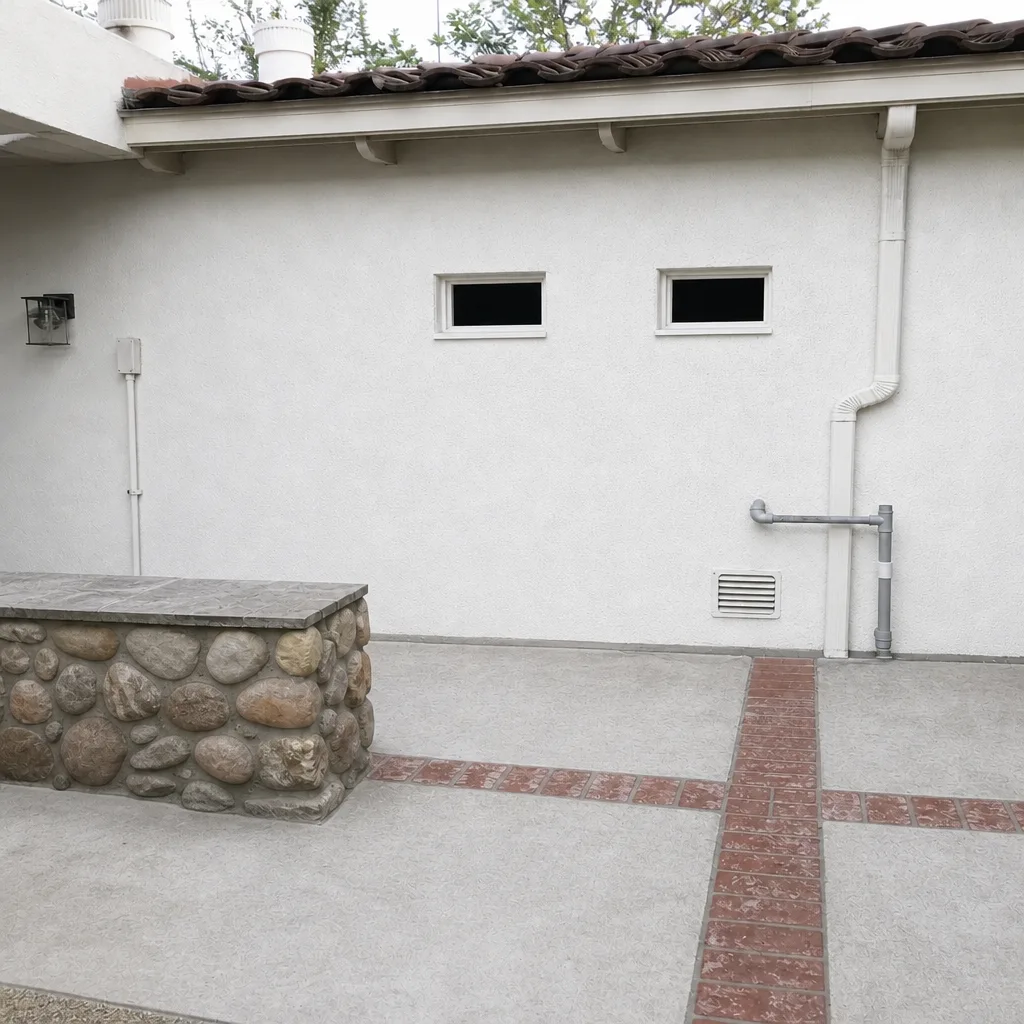 After
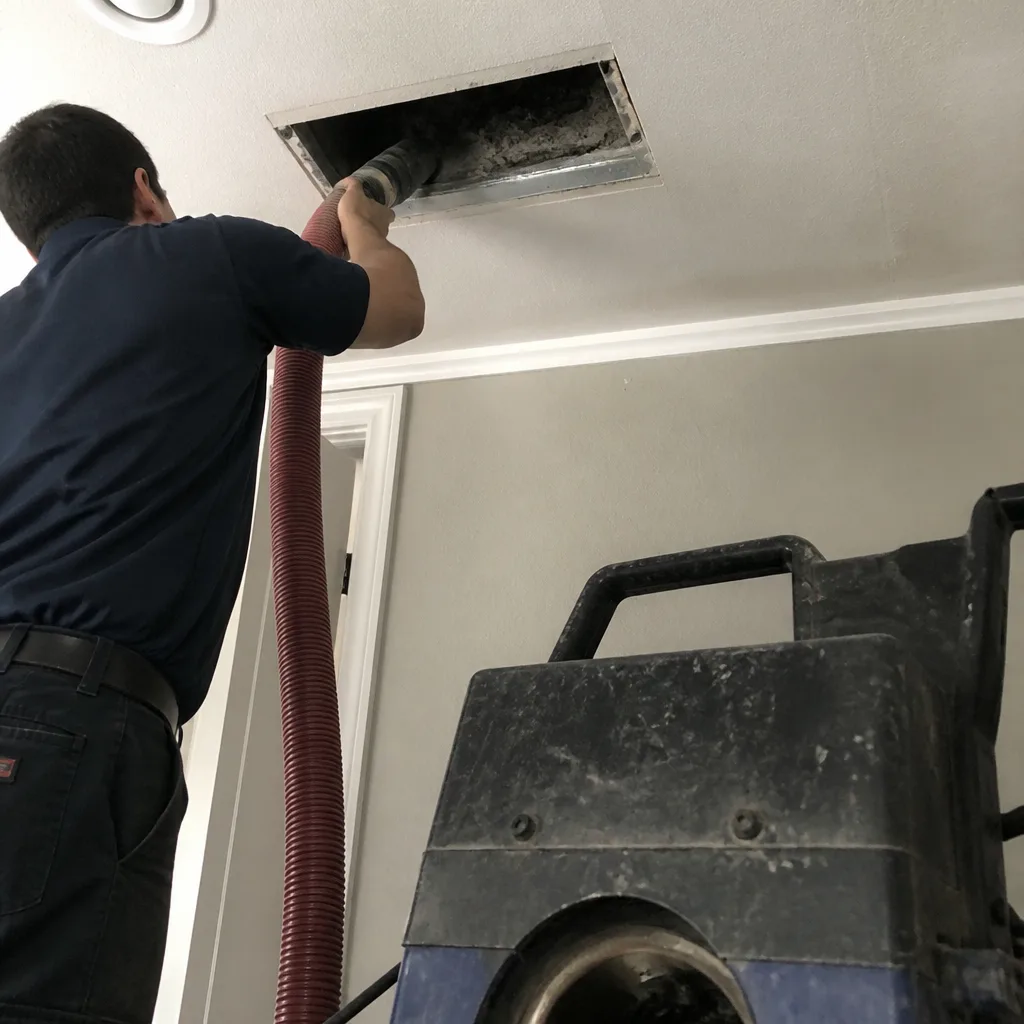 Before
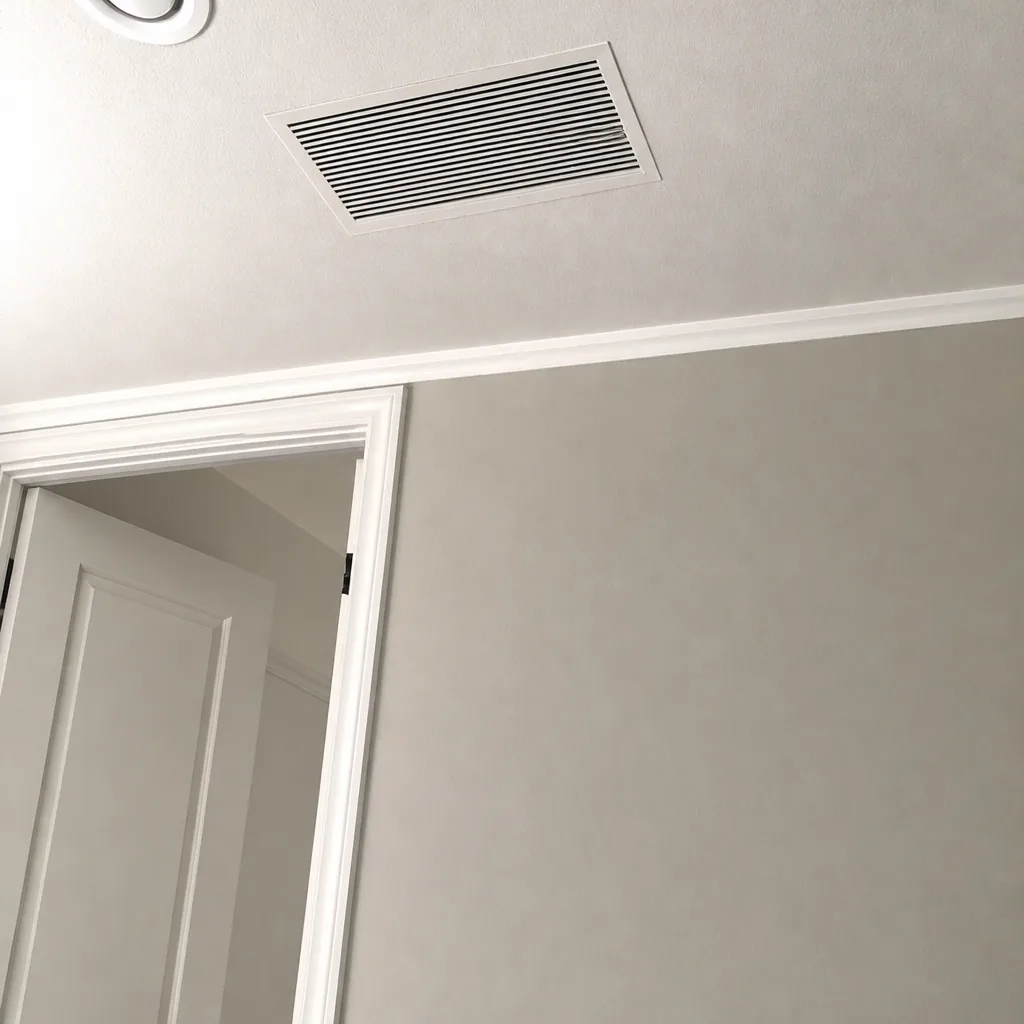 After
 Before
 After
When to Call a Professional
Some problems warrant a professional visit, and some are better left to scheduled maintenance. The signals that point to a professional call: visible dust film on supply registers that keeps returning after cleaning; a persistent musty smell when the system runs; a known mold concern after standing water or a leak; a recent renovation that left drywall dust in the returns; an older system where joints show corrosion or separation; a dryer that needs two cycles to dry a load. In each of these cases, a full-system assessment answers what surface cleaning can’t. Our technicians have up to 10 years of experience and use equipment from Rotobrush, Nikro, and Abatement Technologies to make a measurable difference rather than a surface one. Newport Beach Air Duct Cleaning offers free estimates in Newport Beach. Call (833) 482-6044. We answer 24/7. Fast dispatch from 7am to 7pm, Sunday through Friday.
Frequently Asked Questions
For most Newport Beach homes, every three to five years is a reasonable interval, but the right answer depends on the household. Homes with pets, occupants with allergies, or a recent renovation often benefit from a shorter interval. Homes with rigid metal ductwork and strong indoor-outdoor air exchange may see slower accumulation. Call (833) 482-6044 for an exact quote based on a full-system assessment. Estimates are free.
Humidity keeps interior duct surfaces slightly damp, which makes airborne spores and fine particulate stick rather than sit loose. That’s why source-removal cleaning, which uses mechanical agitation rather than a straight vacuum pass, is the correct standard on the coast. A vacuum alone won’t detach adhered material. Call (833) 482-6044 to schedule an assessment. Estimates are free.
You should receive a verification report with before-and-after airflow readings at representative registers, plus photographs of duct interiors taken from multiple points along the run. Airflow data tells you whether the system is moving air more freely; photos only show the surface. Ask for both. If a company can’t produce them, ask why. Call (833) 482-6044 and we’ll walk you through what the report includes. Estimates are free.
Cheap quotes are usually “blow-and-go” work: air pushed through the system without mechanical agitation of surfaces or proper containment, so contaminants are redistributed rather than removed. Professional source-removal work takes hours, uses commercial-grade equipment, and produces documentation. Compare what each quote includes, not just the price. Call (833) 482-6044 for a free estimate on the full-service version.
HVAC cleaning is a separate service line and is part of a full-system approach. The evaporator coil, blower, and plenum are where a significant portion of contamination builds up, and cleaning the ducts while leaving those components untouched addresses only half the system. Our service covers both. Call (833) 482-6044 to schedule. Estimates are free.
Yes, dryer vent cleaning is a standalone service we can coordinate with a duct cleaning visit. If your dryer takes two cycles to dry a load or the exterior vent flap doesn’t open freely, that’s a restricted airflow signal worth checking. Call (833) 482-6044 to schedule. Estimates are free.
The Bottom Line
Newport Beach ductwork collects differently than inland ductwork, and the right service here is calibrated to coastal conditions: adhered spores, mixed duct materials in older neighborhoods, and joints that corrode faster than they would miles inland. Source-removal cleaning is the standard worth paying for, containment-grade equipment is what makes it safe, and before-and-after airflow readings are the only reliable proof it was done. From there, sealing and filtration upgrades keep the system cleaner between visits. Cleaning without assessment, or without fixing the joints that let contamination back in, is a partial fix at best.
If you want a full-system assessment that covers duct cleaning, HVAC cleaning, sealing, filtration, air-quality sanitizing, and dryer vent safety under one roof, call (833) 482-6044. We answer 24/7. Fast dispatch from 7am to 7pm, Sunday through Friday. Estimates are free, and one flat price per system is agreed before work starts.
Written by the team at Newport Beach Air Duct Cleaning.