
Last updated November 25, 2026
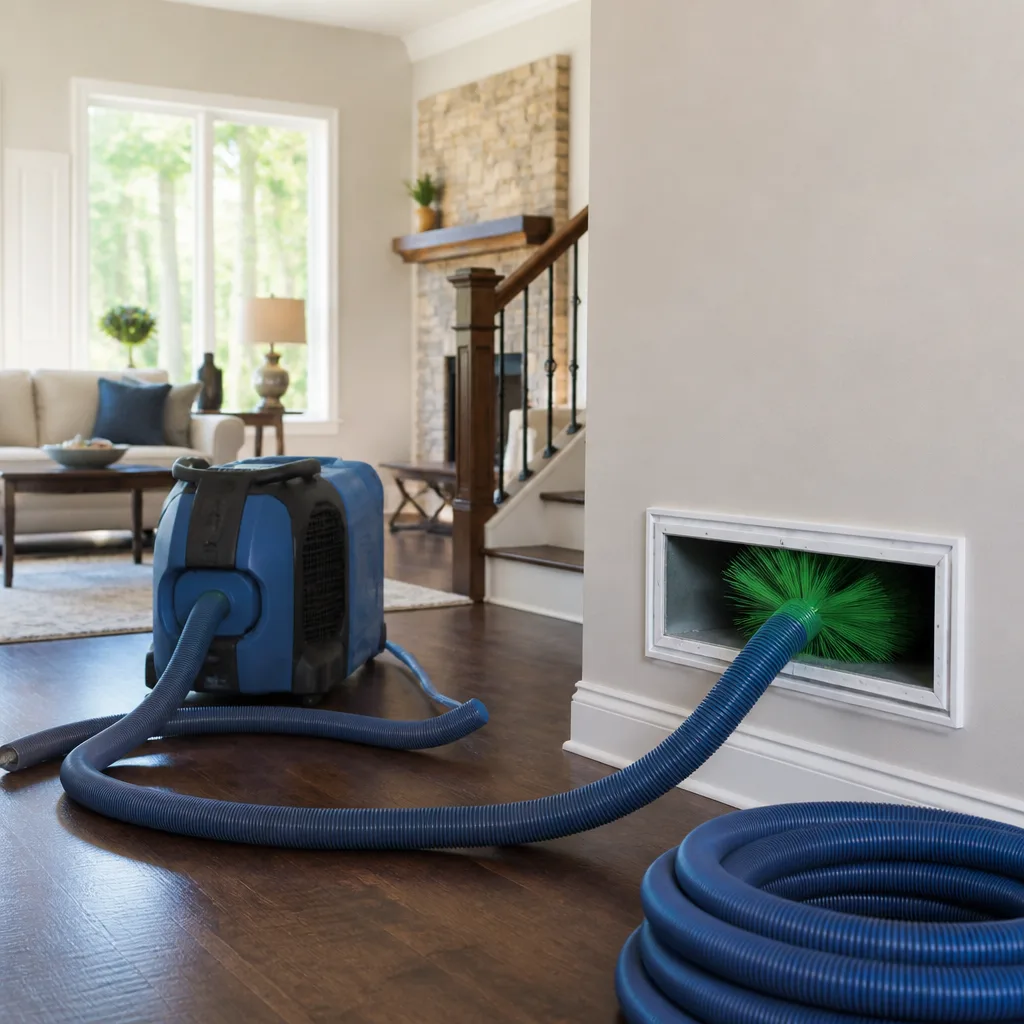 Whole-home duct cleaning
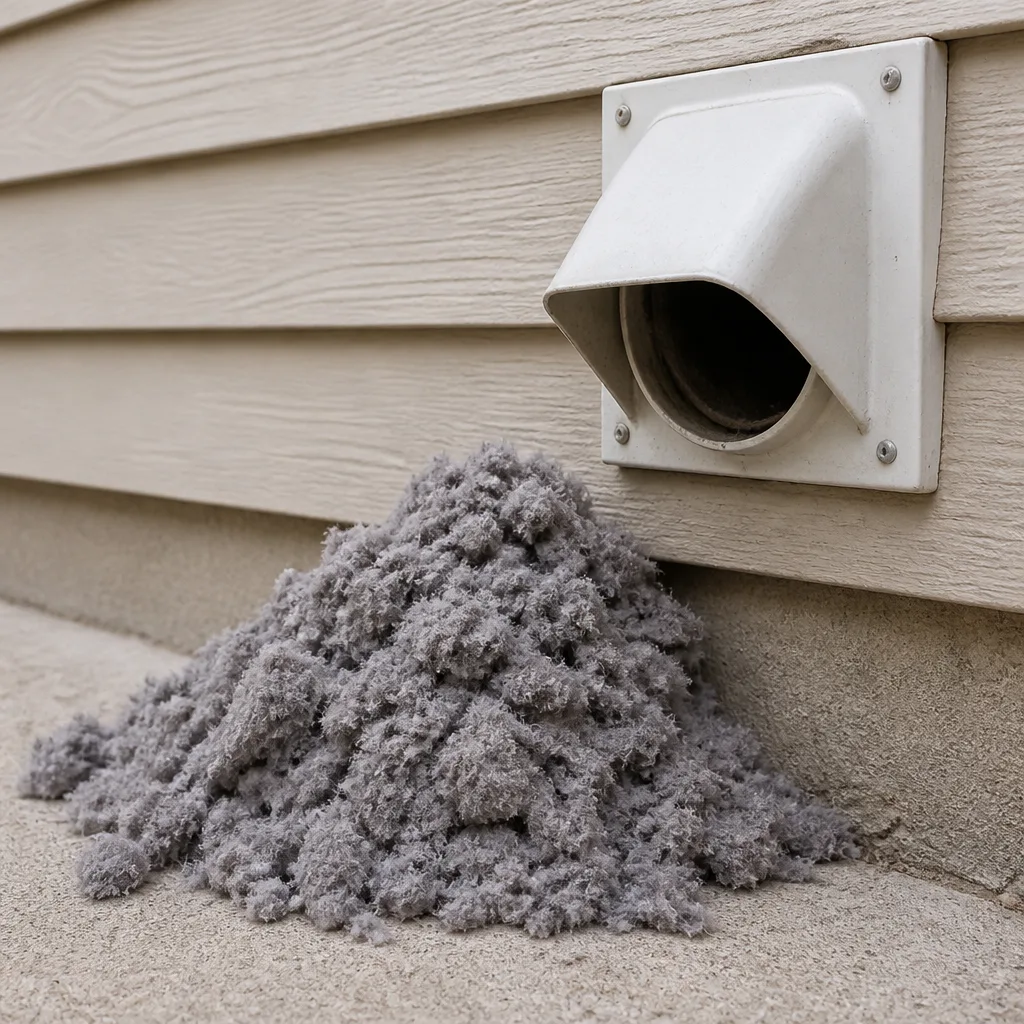 Dryer vent cleaning
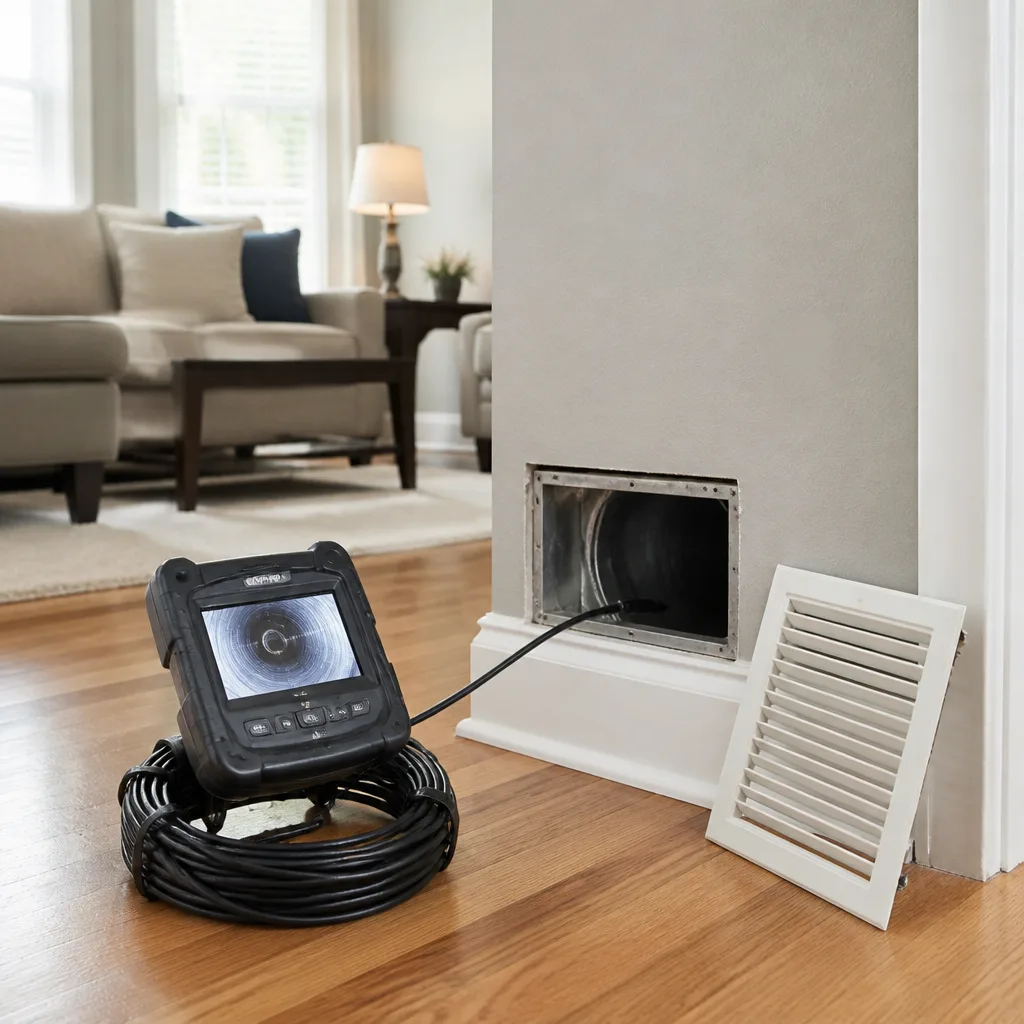 Camera inspection
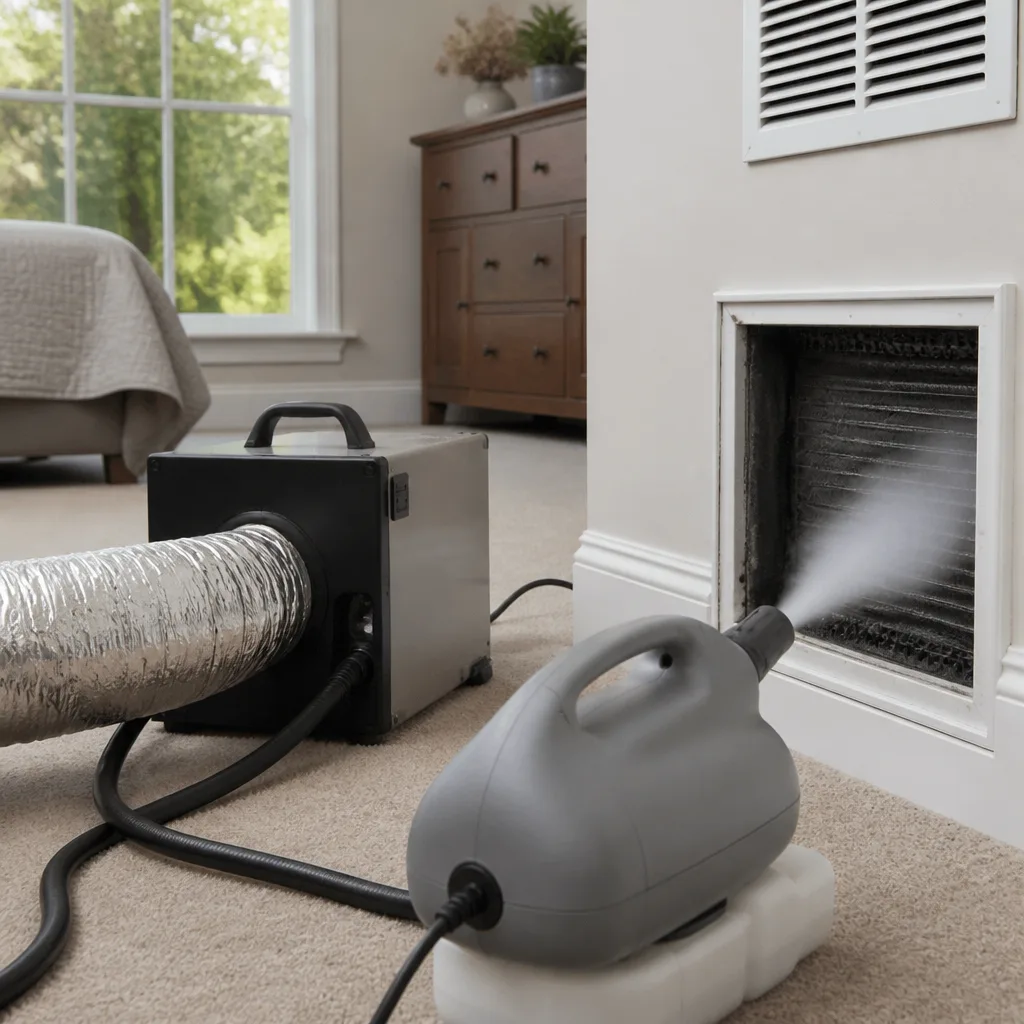 Sanitizing & deodorizing
Whole-system duct and dryer vent check with before-and-after photos - you see exactly what came out of your vents
That "$99 whole-house special" is a bait ad - the real number appears once they are in your hallway, or the "clean" is a shop-vac at the register. We photograph the inside of your ducts before and after instead.
How to Hire an Air Duct Cleaning Contractor in Newport Beach: A Step-by-Step Guide
The duct cleaning listings in Newport Beach look nearly identical on a screen. A name, a phone number, a few stars, and a promise to make your air cleaner. Price is usually the only column that separates them. That’s the trap. The real gap between two quotes in this market has almost nothing to do with what the homeowner sees and almost everything to do with what’s inside the truck and how the technician actually works. Some operators run truck-mounted negative-pressure systems built for the job. Others show up with portable equipment closer to a shop vacuum. Both will call the service “air duct cleaning.” This guide gives you a screening framework you can use before you book anyone in Newport Beach, from the equipment questions to ask to the scope document that tells you what you’re really buying.
Quick Answer
To hire an air duct cleaning contractor in Newport Beach, verify the company’s credentials and equipment before you accept a quote: ask about their cleaning platform, their negative-pressure method, and whether they clean the blower compartment, then confirm their NADCA membership against the association’s directory. A legitimate scope of work itemizes supply lines, return lines, the air handler, and the coil area. If a bid is dramatically cheaper than the others and the scope is vague, the gap is usually in what gets skipped.
Styles & brands we work with
- Whole-home duct cleaning
- Dryer vent cleaning
- Camera inspection
- Sanitizing & deodorizing
Table of Contents
- Why “Air Duct Cleaning” Means Different Things in Newport Beach
- The Five Questions to Ask Before You Get a Quote
- How to Cross-Reference NADCA Membership, ACCS, and VSMR
- Red Flags in a Quote: Low Rates, Upsells, and Vague Scope
- What a Legitimate Scope of Work Should Itemize
- How to Compare Two Bids Using Equipment, Not Just Price
- Why Duct Cleaning Is Only Part of the System
- What the Day of Service Actually Looks Like
Why “Air Duct Cleaning” Means Different Things in Newport Beach
The phrase covers a wide range of activity, and that range is the reason two bids for what sounds like the same job can differ by hundreds of dollars. At one end is a truck-mounted mechanical cleaning system paired with a negative-pressure setup that keeps debris from migrating through the house during the work. At the other end is a portable vacuum and a brush, run through the visible registers, sometimes without touching the air handler at all. Both are marketed as air duct cleaning. Only one actually addresses the full system.
Newport Beach homes add a wrinkle to this. Much of the housing near the water and around neighborhoods like Balboa Island and Lido Isle sits in a mild, humid coastal climate where HVAC systems run year-round with few real breaks. In a climate where the system rarely goes dormant, dust, pollen, and debris keep cycling through the ducts without the seasonal reset that colder regions get. Renovation projects, common across Newport Beach’s older neighborhoods, also push construction dust into return lines long after the drywall is up.
That combination is worth understanding before you call anyone:
- Year-round system use means contamination accumulates continuously rather than seasonally
- Renovation and remodeling work in older homes introduces a different dust profile than ordinary household use
- Older ductwork in some neighborhoods is more prone to loose joints and gaps that let debris re-enter after cleaning
- Systems serving both heating and cooling in a mild climate get coil and blower exposure that a register-only pass won’t reach
None of that is a crisis. It’s simply the reason the screening steps below matter more here than the sticker price on a flyer.
The Five Questions to Ask Before You Get a Quote
These questions separate a professional operation from a crew with a portable vacuum. Ask them before a quote is given, not after, and note how specifically the answers come back. A real technician can describe their equipment and process in plain terms. A sales call usually can’t.
- What cleaning platform do you use? Listen for named equipment, not generalities. Commercial-grade mechanical cleaning systems like Rotobrush are built for the job; a shop vac is not. If they can’t name their machine, that’s your first answer.
- How do you control negative pressure? A negative-pressure setup, often done with containment-grade equipment such as Abatement Technologies units, keeps debris from spreading through the house during cleaning. It also tells you whether they do real containment or just vacuum at each register.
- Do you clean the blower compartment? This is the question most quotes skip. The blower and air handler are where the debris actually collects and re-enters the living space. Register-only cleaning leaves it there.
- Do you clean supply lines, return lines, and the coil area too? The full system means more than the visible vents. A complete job covers supply lines, return lines, the air handler, and the coil area.
- What exactly is in the written scope? Ask for it in writing before you schedule. The list of what’s covered – and what isn’t – is the document that protects you.
Ask these on the phone before booking. You’ll know within two minutes which kind of contractor you’re talking to.
How to Cross-Reference NADCA Membership, ACCS, and VSMR
A contractor’s stated credentials are only worth as much as your ability to verify them. The National Air Duct Cleaners Association (NADCA) is the industry body that sets standards for duct cleaning, and it maintains a member directory you can search independently. A contractor who names their membership but doesn’t match the directory has a reason to avoid the check.
What NADCA membership signals
Members agree to follow NADCA’s cleaning standards and its assessment guidelines. It doesn’t guarantee quality on every job, but it establishes a baseline: the company knows the standard and has agreed to it. Cross-referencing the directory takes a minute and tells you whether the claim is real.
What ACCS means
ACCS stands for Air Systems Cleaning Specialist – a NADCA certification for individuals who perform or supervise duct cleaning work. When a contractor says they’re ACCS certified, they mean a person on their team holds that credential, not that the company itself does. Ask who on the crew carries it.
What VSMR means
VSMR stands for Ventilation System Mold Remediator, a NADCA certification for handling mold-related conditions in HVAC systems. It only matters if mold is a concern in your system, but if it is, it’s the credential to ask about specifically.
Here’s how to run a verification in practice. Search the NADCA directory for the company name. Confirm the certifications they’ve named correspond to actual individuals and current status. If the company isn’t listed, that’s fine for some legitimate operators – membership is voluntary – but it removes one of the checks you’d otherwise have. In Newport Beach, where a large share of listing-based operators carry no verifiable certification, that check is worth doing.
For more on what professional-grade equipment actually looks like in practice, see air duct cleaning.
Red Flags in a Quote: Low Rates, Upsells, and Vague Scope
Most contractor disputes start with the same three patterns, and all three show up in quotes that look attractive on the surface. Knowing them before you compare bids saves you from booking a job that ends up costing more than the professional bid you passed on.
Unusually low flat rates
A flat rate that sits far below every other bid isn’t a deal; it’s a signal that something will be cut. Often it’s the equipment, the containment, or the scope. A low rate can also be the entry point for the upsell below – the job is priced to get a technician in the door, and the real invoice is built on-site.
Anti-microbial treatment pushed before inspection
Any contractor who recommends a sanitizing treatment before they’ve inspected your system is selling product, not solving a problem. An honest technician looks first, then recommends. Containment-grade sanitizing products such as Guardsman-grade treatments have a legitimate place in the service tier, but they should follow an assessment, not precede it.
Vague scope language
Phrases like “clean all vents” or “full duct cleaning” tell you nothing. What are the supply lines? The return lines? The air handler? The coil area? If the proposal doesn’t name these, it’s not a scope. It’s a hook.
Pressure to book on the first call
A technician or salesperson who won’t let you take the bid away and read it is telling you something. Legitimate operators expect you to compare.
No written estimate
Every professional job should come with a written estimate that sets the price, before work begins. If a bid only exists in a phone conversation, it isn’t a bid.
For context on the residential side of the work, our dryer vent cleaning page covers how a standalone safety service should be scoped and priced – the same screening logic applies.
What a Legitimate Scope of Work Should Itemize
The scope of work is the document that tells you what you’re actually paying for. A legitimate one itemizes every component of the system the technician will touch, and it does so in plain language you can check after the work is done. Here’s what a proper scope itemizes, and what each line means.
- Supply lines: The ducts that deliver conditioned air to each room. Every supply run should be listed, not just the ones you can see.
- Return lines: The ducts that pull air back to the air handler. These collect the most debris and are the ones a register-only job typically skips.
- Air handler: The unit that moves the air. This is where a blower compartment cleaning belongs.
- Coil area: The evaporator coil area, where dust and moisture can build up. Cleaning this is part of a full-system job and left out of shortcuts.
- Register and grille coverage: Which registers get removed, cleaned, and reinstalled.
- Equipment specified: The cleaning platform and containment method, named.
- Before-and-after documentation: Photos of your own ducts, not stock images, so you can see what changed.
- Price and payment terms: One flat price per system, agreed before work starts.
The omission that signals a cut-rate job most reliably is the blower compartment. If your bid doesn’t mention the air handler or the blower, the quote isn’t for the full system regardless of what the flyer says. Newport Beach homeowners with older ductwork should pay extra attention here, because accumulation behind the air handler is exactly what a surface-level cleaning leaves behind.
How to Compare Two Bids Using Equipment, Not Just Price
Price is the easiest comparison and the least useful one. A better method puts equipment and scope side by side, then reads the price against what’s actually offered. Here’s how to structure the comparison.
- List the equipment each contractor names. Rotobrush, Nikro, Abatement Technologies, and other commercial-grade platforms belong on the line. “Portable vacuum” does not mean the same thing.
- List the containment method. Truck-mounted or containment-grade negative-pressure equipment goes on one side. No mention of containment goes on the other.
- List the components in the scope. Supply lines, return lines, air handler, blower compartment, coil area. Check each box for each bid.
- List the credentials. NADCA membership, ACCS, VSMR. Verified against the directory, not just claimed.
- List the documentation. Before-and-after photos from your own system, and a written estimate that fixes the price.
- Now read the prices. A bid that covers fewer components at a lower price usually isn’t a better deal; it’s a different job. Compare like with like.
Two bids that look $200 apart often differ by an entire service. When you line up the scope items first, the comparison resolves on its own. Our HVAC cleaning page explains what the air handler and coil work adds to a duct cleaning, which helps when the bids diverge there.
Why Duct Cleaning Is Only Part of the System
Cleaning is one step. The moment the ducts are clean, the next question is whether the system will stay clean. That’s where the screening method above earns its keep – a contractor who only cleans surface debris can’t answer the follow-up question, and one who can is worth the extra effort to find.
Two things matter after the cleaning:
Duct repair and sealing
Older ductwork in Newport Beach neighborhoods frequently has loose joints and small gaps. Those gaps let contaminated air back into the supply lines after cleaning, and they undercut every dollar spent cleaning. Sealing those points addresses the root cause rather than the symptom. A contractor with repair and sealing capability can identify and address this on the same visit.
Air quality and filtration
Once the system is clean, filtration and purification upgrades actually do what they’re designed to do. Products from Honeywell and Aprilaire are the standard recommendations for these upgrades, and a contractor who carries and installs them can fit filters and controls during the same visit rather than handing you a product number to chase elsewhere. If you want the cleaning to hold, this is the piece that matters.
To understand the base service in more detail, see our main Newport Beach Air Duct Cleaning page.
What the Day of Service Actually Looks Like
The day of service tells you quickly whether the contractor you hired matches the contractor you screened. Here’s the sequence a professional job follows, and what to look for at each step.
- Arrival and system walkthrough: The technician inspects the system before touching anything. They should be looking at the air handler, the return and supply runs, and the coil area, not just counting vents.
- Register and grille removal: Registers are removed, cleaned separately, and set aside for reinstallation.
- Containment setup: Negative-pressure containment goes up before cleaning begins. You should see this happen, not just hear about it.
- Mechanical cleaning: The cleaning platform runs through the supply and return lines and the air handler. This is the bulk of the time.
- Blower and coil area: These get cleaned as part of the scope. If they weren’t in the written estimate, ask now.
- Photo documentation: Before-and-after photos are taken of your system, and you should see them.
- Reinstallation and walkthrough: Registers go back in, and the technician walks you through what was done and what they found.
If any of these steps is skipped without explanation, that’s when you ask why. Our technicians have up to 10 years of experience on the equipment, and the sequence above is what we hold a job to, because it’s what makes a cleaning stay done. Cross-check this against the dryer vent cleaning sequence too, if you’ve booked that as well – it runs on the same systematic approach.
Common Mistakes to Avoid
- Choosing on price before checking equipment. A bid that’s $200 lower usually covers less, not more – check the equipment and scope lines before you look at the total.
- Skipping the NADCA directory check. Newport Beach has plenty of operators who claim membership but don’t appear in the directory; the check takes a minute and settles the question.
- Accepting a quote that doesn’t mention the blower compartment. If the air handler isn’t named, the bid isn’t for the full system, no matter what the flyer says.
- Booking an anti-microbial treatment before an inspection. Any add-on pushed before the technician has looked at your system is a sales pitch, not a recommendation – wait for the assessment.
- Letting a quote stay verbal. If the scope and price only exist in a phone call, you have nothing to hold the contractor to, and nothing to compare against the other bid.
- Choosing a contractor who can’t also handle repair and sealing. In Newport Beach’s older ductwork, a cleaning without follow-up on loose joints lets the contamination right back in.
- Assuming one visit solves filtration. If air quality is the goal, ask about filtration and purification upgrades on the same visit – otherwise you’ll be cleaning again sooner than you should.
See the difference
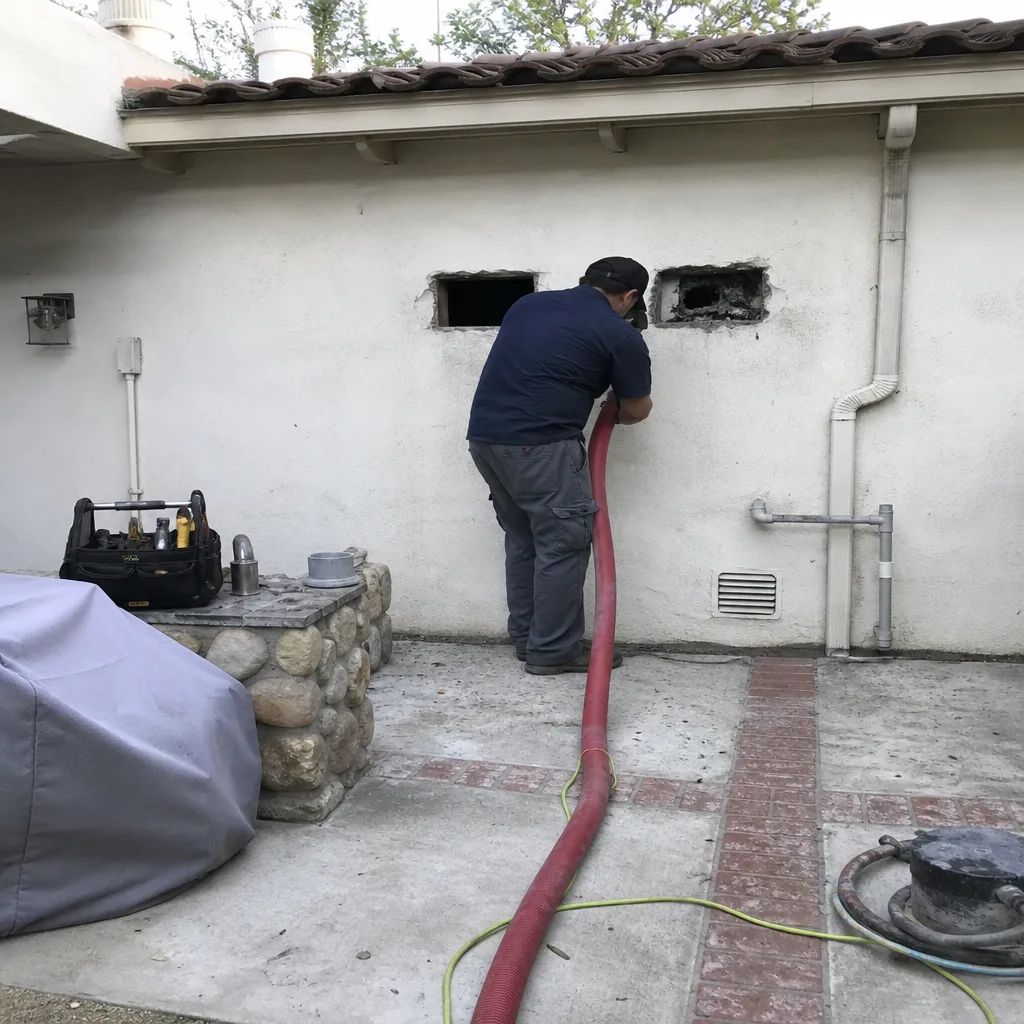 Before
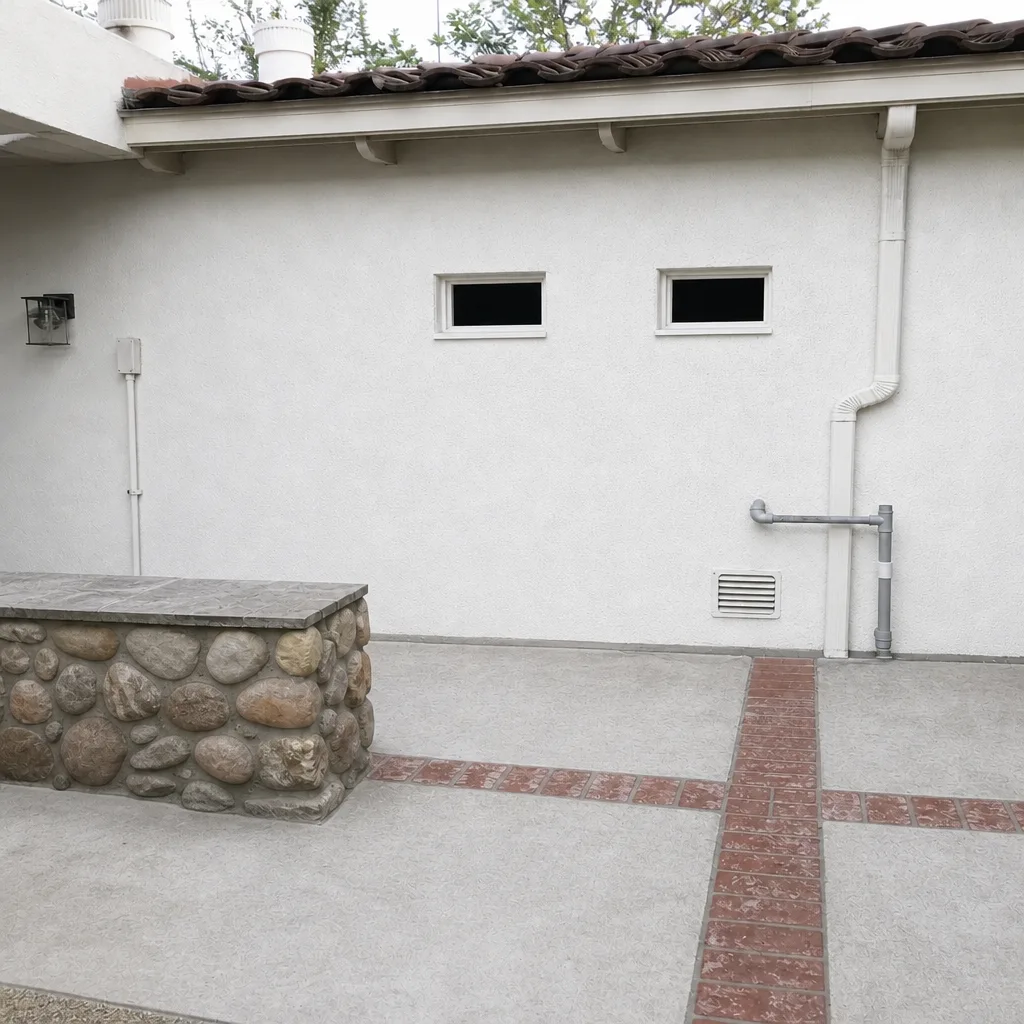 After
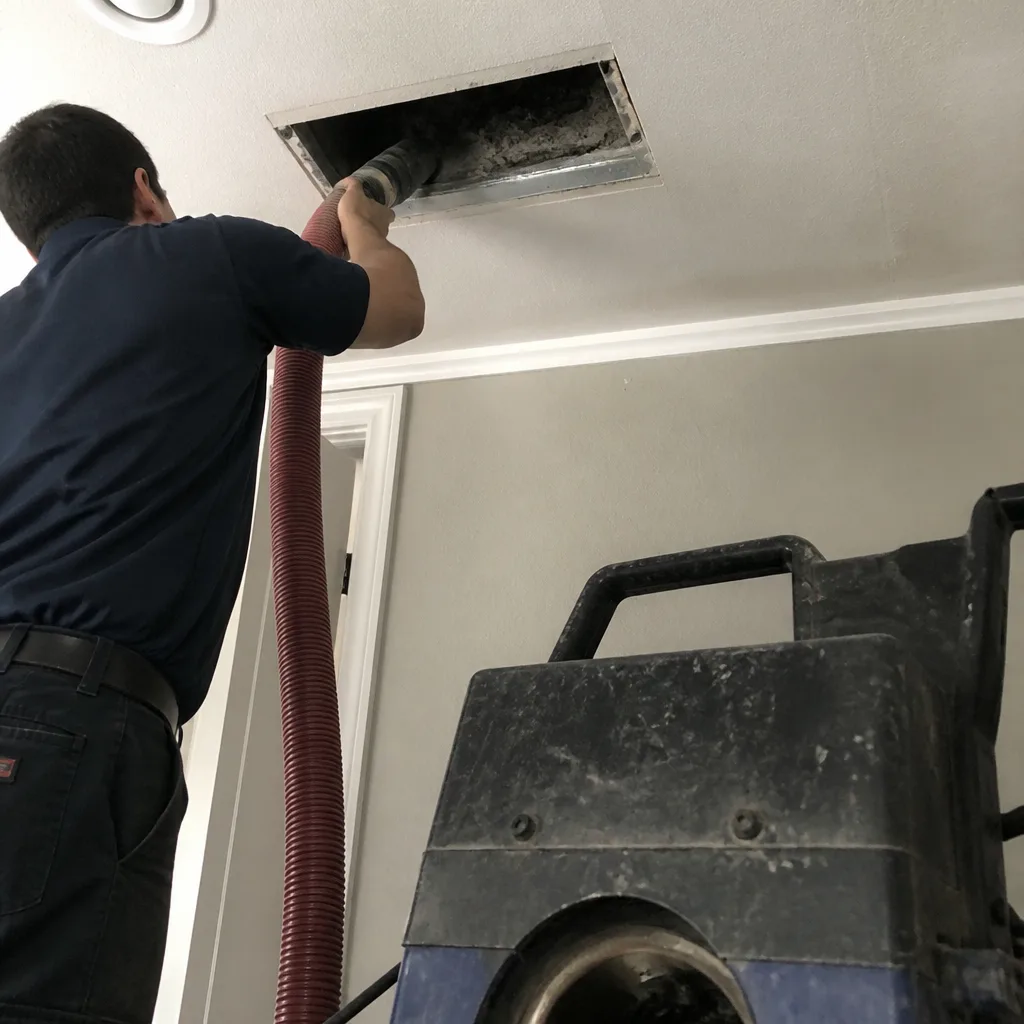 Before
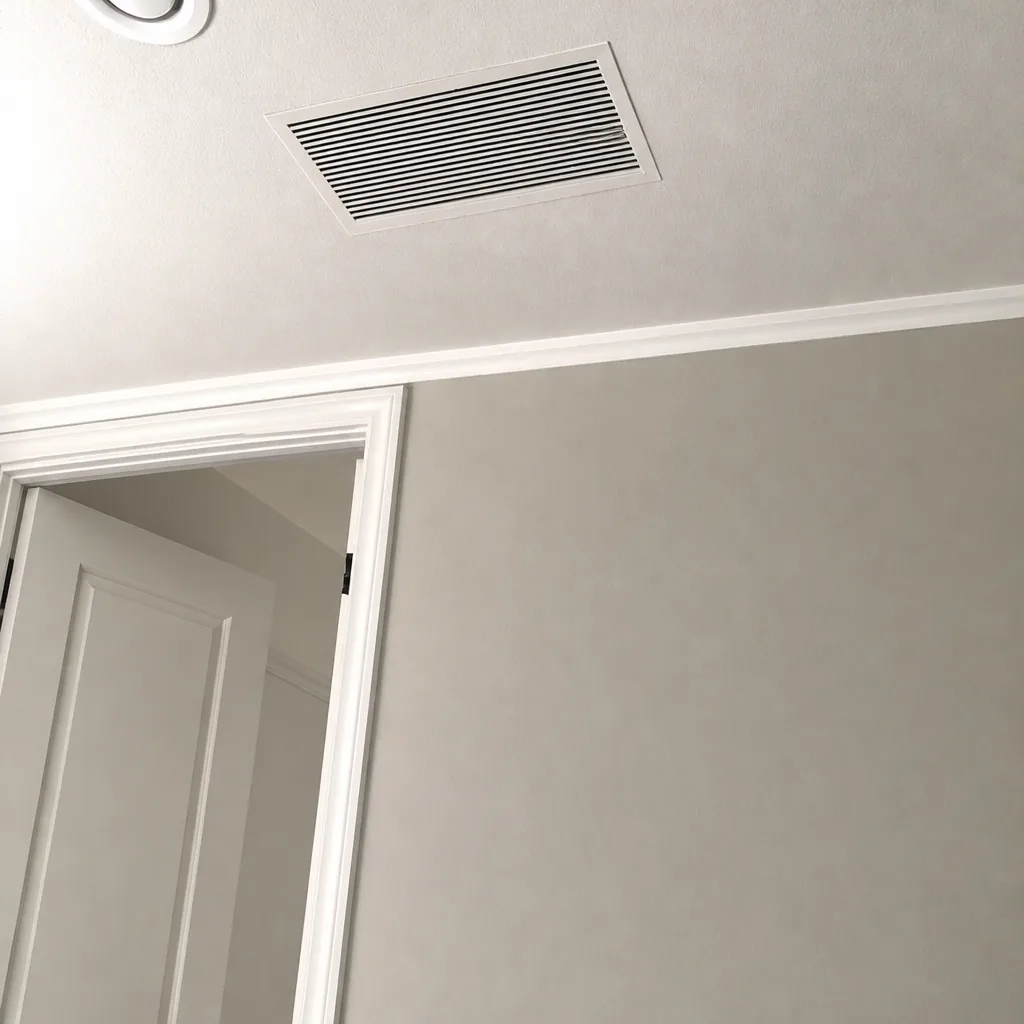 After
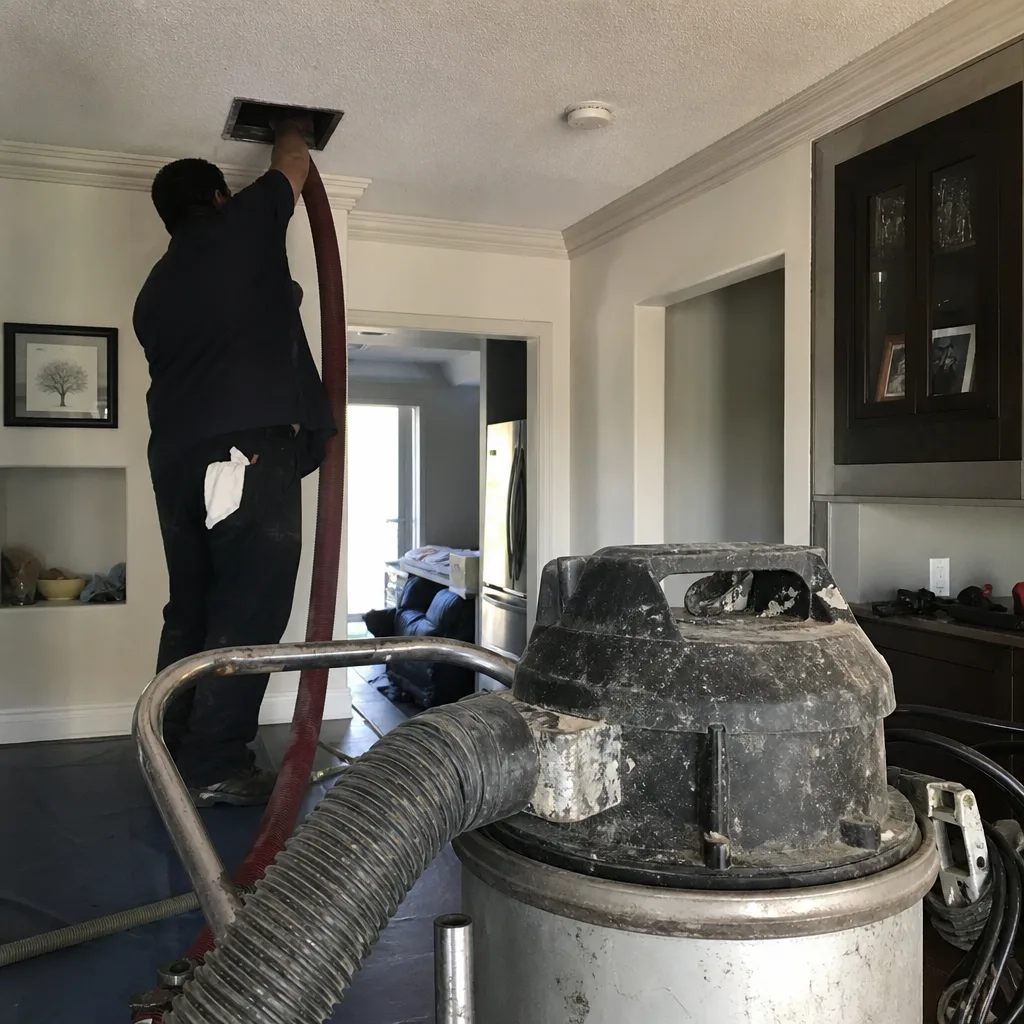 Before
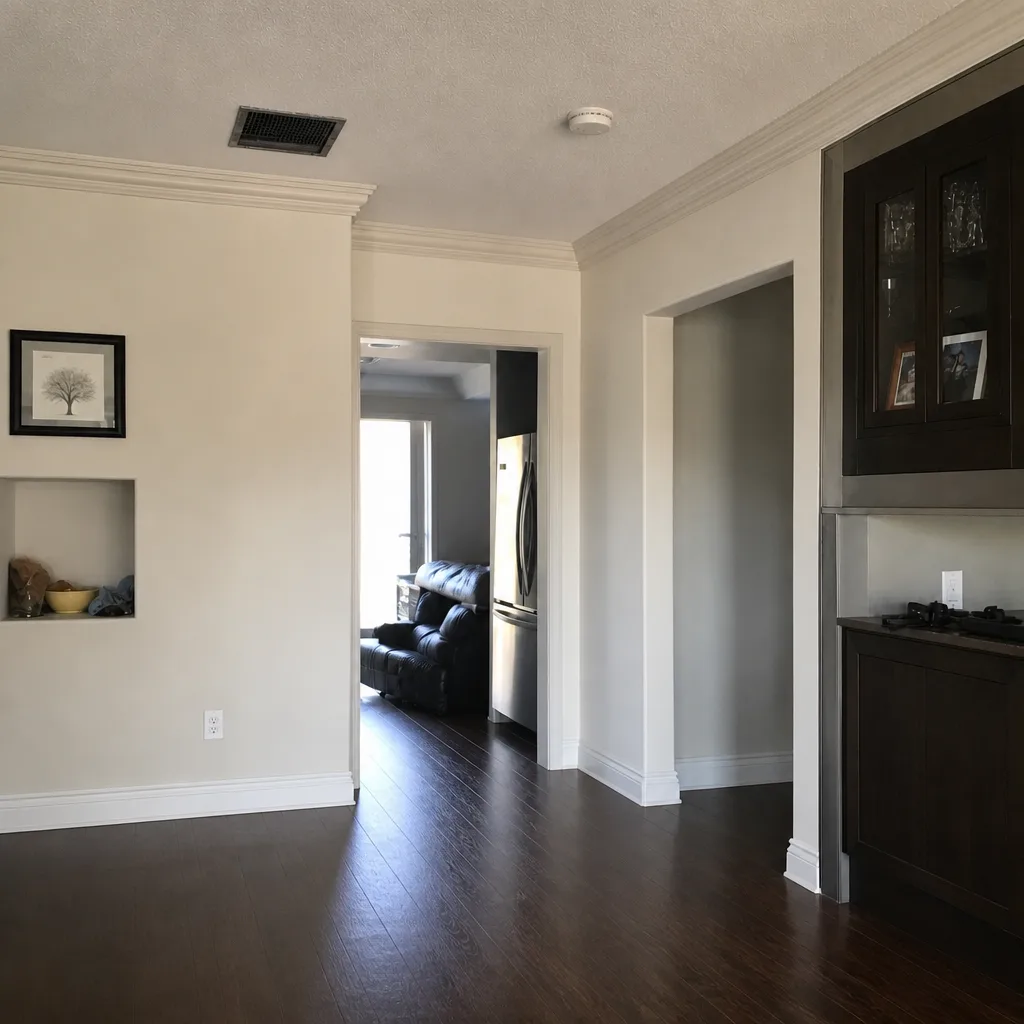 After
When to Call a Professional
You don’t need a professional visit for every dusty vent. You do for these situations, and they’re exactly where a proper screening pays off:
- You’ve finished a renovation or remodeling project and want construction dust pulled from the return lines before it cycles back into living space
- An HVAC system is older, and you haven’t had it evaluated since it was installed
- Allergies or air quality concerns have you thinking about filtration and purification upgrades
- You’re concerned about dryer vent fire risk and want the vent cleaned as a standalone safety service
- You’ve had a cleaning before and want to know whether it actually happened
A full-system assessment is the right first step in any of these. Our team handles cleaning, repair and sealing, and air quality in one visit so nothing gets handed off. If you’re working through the screening steps and want a bid that spells out every line of the scope of work, we’re glad to put one together.
Newport Beach Air Duct Cleaning offers free estimates in Newport Beach – call (833) 482-6044 to get one scheduled.
Frequently Asked Questions
We don’t quote a flat rate or a per-vent price, because the honest cost depends on the size of the system and how much of it is actually cleaned. A full-system job that covers supply and return lines, the air handler, the blower compartment, and the coil area costs more than a register-only job for a reason. The written estimate is what sets the final price, and it’s one flat price per system, agreed before work starts. Call (833) 482-6044 for an exact quote – estimates are free.
Cheap quotes are usually cheap because they clean less. That means portable equipment instead of commercial-grade mechanical cleaning, no containment, no blower compartment, no coil area, or all four. The price looks lower until you line up the scope. Compare the scope and the equipment before you compare the total, then call (833) 482-6044 for an estimate that spells out every line.
Before-and-after photos of your own ducts, not stock images. A contractor who can show you the change in your system, taken on the day, has nothing to hide. If the documentation isn’t offered, ask for it before booking. Our estimates and scopes include it as standard – call (833) 482-6044 to talk through what’s included.
There’s no single universal interval; the honest answer depends on your system, your renovation history, and whether anyone in the household has allergies. In a mild coastal climate where the HVAC runs most of the year, we typically suggest an assessment when you notice a change – more dust in the house, musty air when the system starts, or a recent remodel. A proper assessment tells you more than a calendar does. Call (833) 482-6044 if you want to schedule one.
It tells you the company has agreed to follow NADCA’s cleaning standards and assessment guidelines, and that they can be looked up in the association’s member directory. It doesn’t guarantee flawless work on every job, but it removes one variable. Cross-check the directory before you book. NADCA members who also hold ACCS or VSMR certifications indicate individual technicians with specific credentials.
Often yes, specifically in older Newport Beach homes where loose joints and gaps let debris back into freshly cleaned ducts. Cleaning without sealing is done and then undone. A contractor with repair and sealing capability can address both on the same visit and explain the difference between the two in the estimate. Call (833) 482-6044 to ask about bundling them into one scope.
The Bottom Line
The Newport Beach duct cleaning market includes certified operators running containment-grade, truck-mounted equipment and uncertified crews running portable vacuums, and both will call the service “air duct cleaning.” The screening steps above are what separates them. Verify NADCA membership against the directory. Ask about the cleaning platform, the containment method, and whether the blower compartment is in scope. Read the written scope of work and check that the air handler and coil area are covered. Then compare bids on equipment and scope before you compare price. A bid that names commercial-grade equipment – Rotobrush, Nikro, Abatement Technologies, Honeywell, Aprilaire – and itemizes every component protects you more than a lower number ever will. Get the assessment, get the written scope, and get it right the first time.
Call (833) 482-6044 for a free estimate. We answer 24/7. Fast dispatch from 7am to 7pm, Sunday through Friday.
Written by the team at Newport Beach Air Duct Cleaning.