
Last updated November 25, 2026
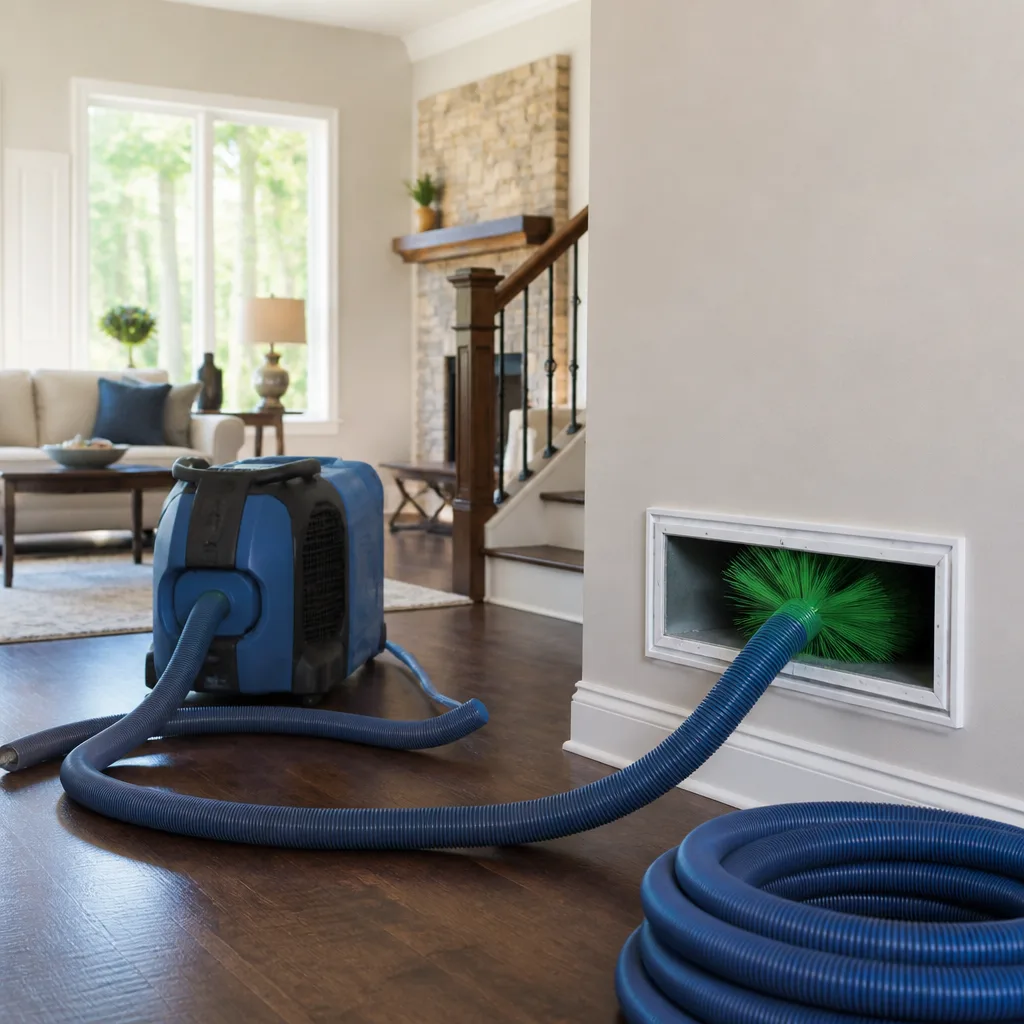 Whole-home duct cleaning
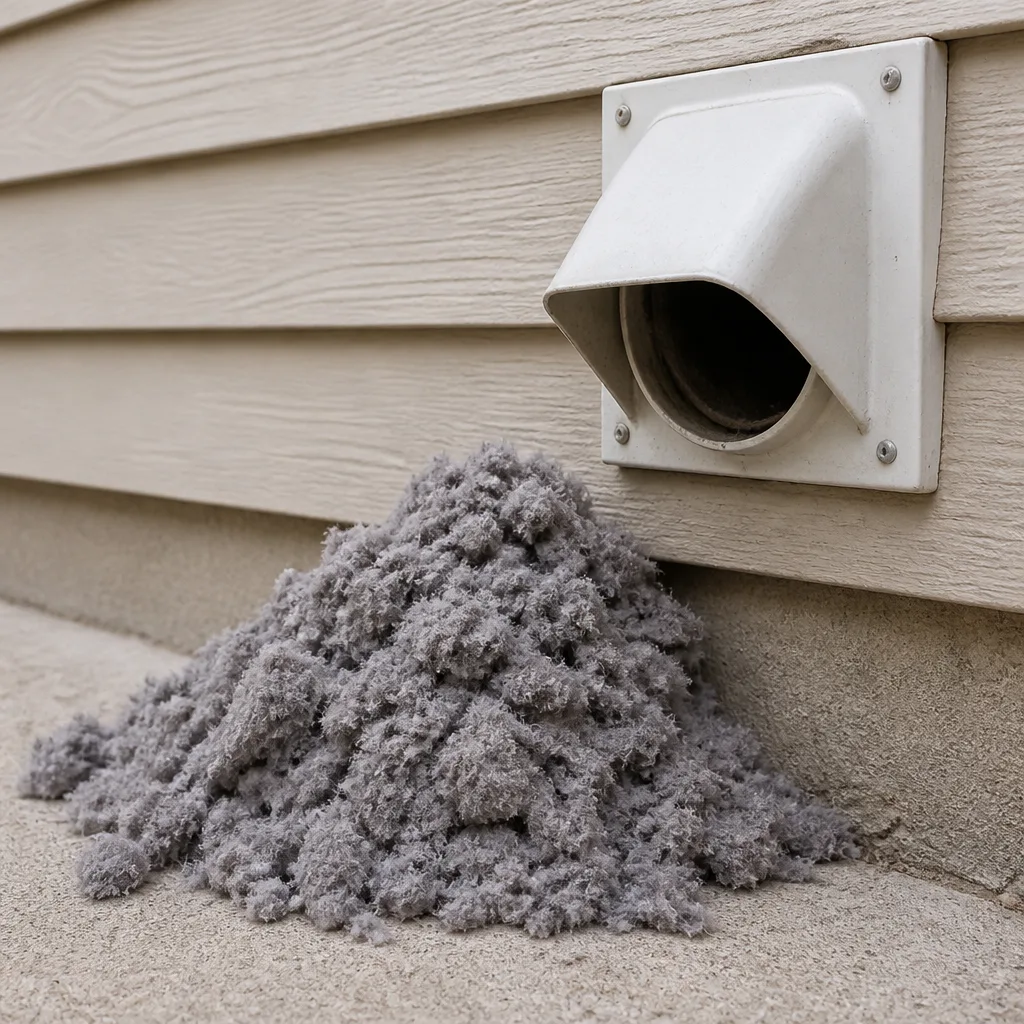 Dryer vent cleaning
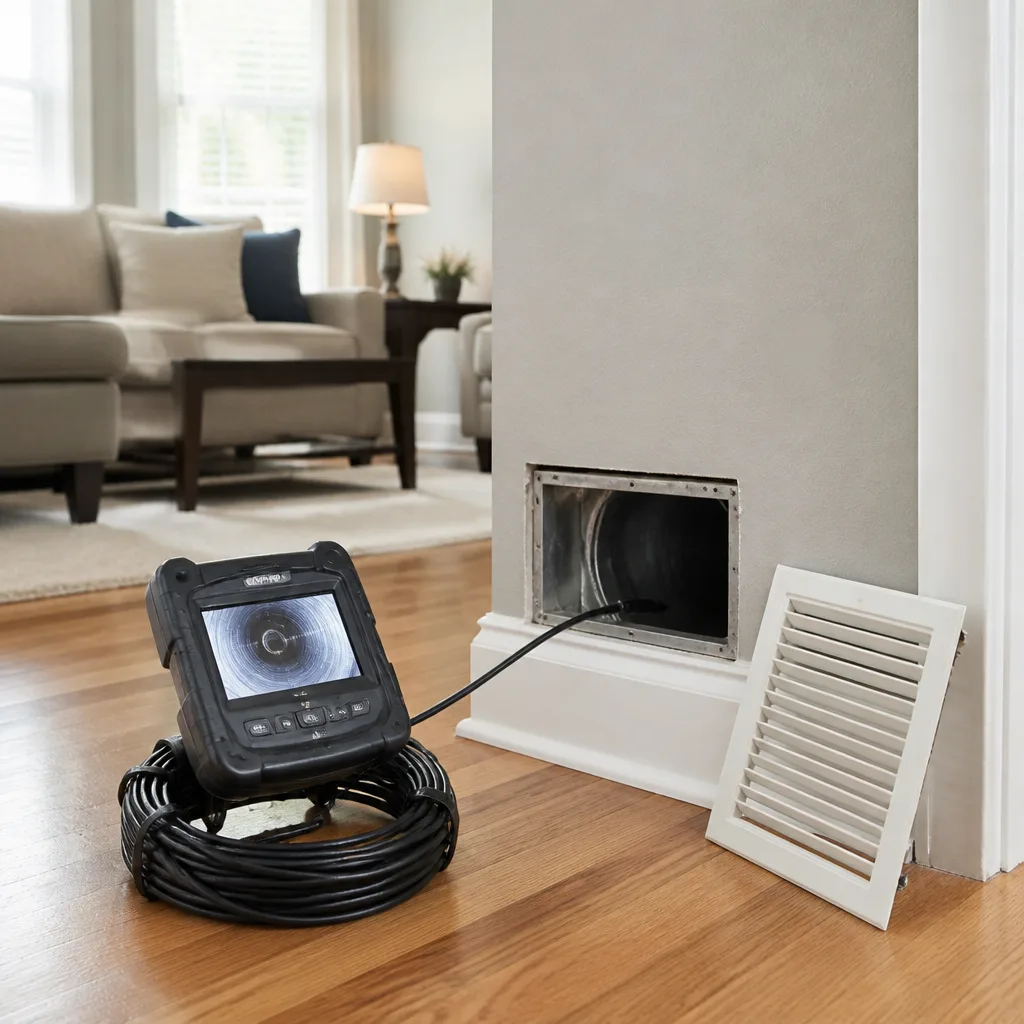 Camera inspection
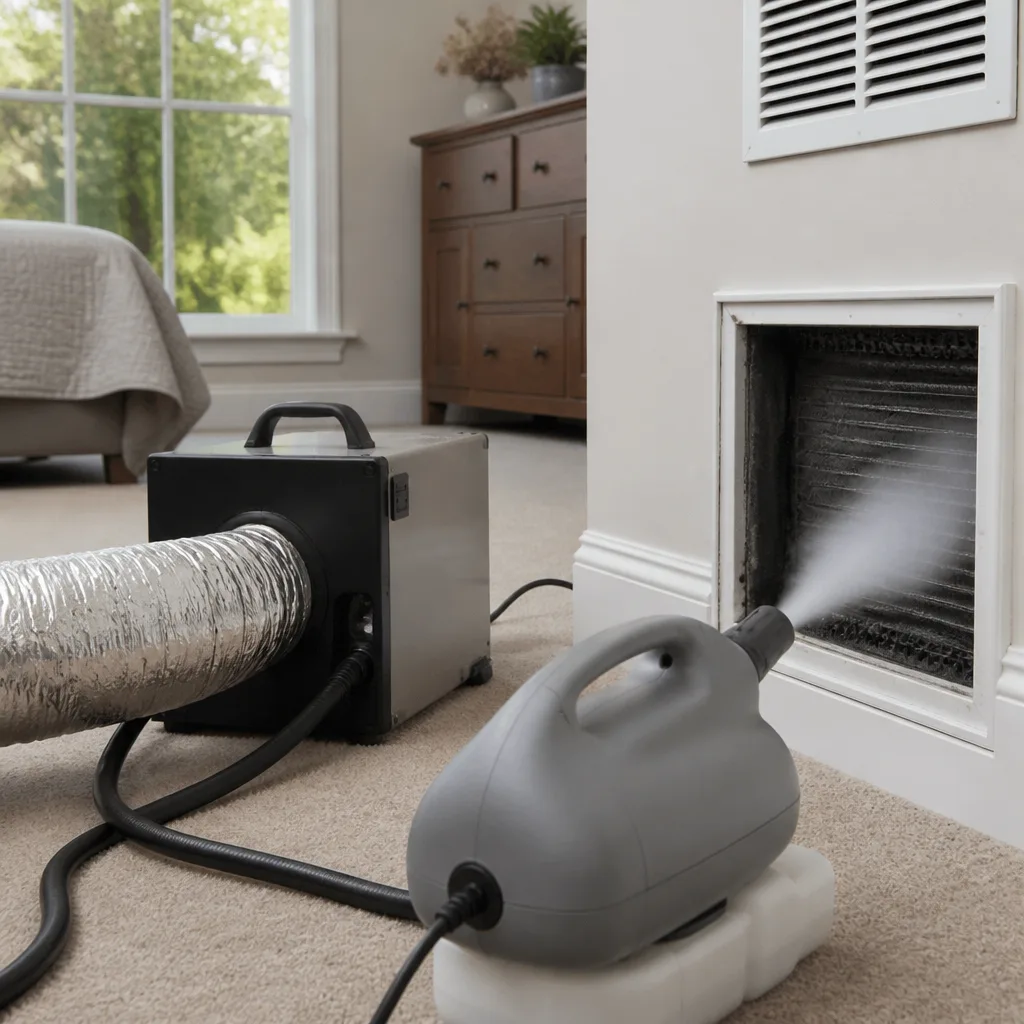 Sanitizing & deodorizing
Whole-system duct and dryer vent check with before-and-after photos - you see exactly what came out of your vents
That "$99 whole-house special" is a bait ad - the real number appears once they are in your hallway, or the "clean" is a shop-vac at the register. We photograph the inside of your ducts before and after instead.
Air Duct Cleaning Warning Signs: A Newport Beach Homeowner’s Reference Guide
Most guides to duct problems point at the obvious: a plume of dust puffing out of a register, a filter that turns gray in a month. Those are late-stage signals. The early ones are quieter, and in Newport Beach they hide inside things homeowners here tend to explain away – a faint smell that only shows up when the AC starts, one bedroom that never quite matches the rest of the house, a summer electric bill that creeps up while habits stay the same. None of those is normal, and each points to a different part of the duct system. This guide walks through what those signals actually mean, how to test a few of them yourself in ten minutes, and how to tell a dirty-duct problem from a duct-sealing problem before you spend money on either.
Quick Answer
The main warning signs of duct system trouble in Newport Beach are a musty smell that appears only when the AC or heat starts, rooms that never reach the temperature the rest of the house does, weak airflow at some registers and strong airflow at others, visible dust streaking around return grilles, a rising electric bill with no change in usage, and rust or loose joints at the air handler. Two or more of these together usually point to a system-level issue, not just debris sitting in a duct.
Styles & brands we work with
- Whole-home duct cleaning
- Dryer vent cleaning
- Camera inspection
- Sanitizing & deodorizing
Table of Contents
- What the Smell at Startup Tells You
- Airflow Problems: Debris Blockage vs. Duct Collapse
- Why Some Rooms Never Get Comfortable
- How to Inspect Your Own Registers and Air Handler
- The Edison Bill Clue Most Homeowners Miss
- Dirty Ducts vs. Leaky Ducts: Telling Them Apart
- Signals That Show Up After a Renovation
- Common Mistakes to Avoid
- When to Call a Professional
What the Smell at Startup Tells You
A smell that appears only when the system kicks on is a diagnostic signal, not a background feature of the house. It tells you something is sitting inside the duct run and getting stirred by moving air. The mistake is treating all smells the same, because three different odors implicate three different conditions, and each has a different fix.
- Dust smell. Dry, slightly metallic, like a closet opened after months. That’s accumulated dust and debris on duct walls and in the air handler getting lifted into the airstream. Common in homes that have gone a long stretch without a proper mechanical cleaning.
- Musty smell. Damp, earthy, sometimes like a wet towel. Moisture is the culprit – a duct joint that has loosened, a section running through unconditioned space, a condensate pan not draining cleanly, or the inside of the air handler staying damp between cycles. Musty odors deserve prompt attention because moisture is what allows biological growth on duct surfaces.
- Burning or hot-wire smell. This one leaves the duct system and points at the equipment: a blower motor under strain, a heating element, or a failing electrical connection. Stop running the system and have it checked. Duct cleaning will not resolve a burning smell because the cause isn’t inside the ducts.
In our experience, a musty odor that only appears at startup and fades within a few minutes is one of the most commonly ignored signals in a Newport Beach home, and it’s often an easy one to trace. A technician with containment-grade equipment can inspect the run, find where the moisture is entering, and clean the affected sections rather than masking the smell.
Airflow Problems: Debris Blockage vs. Duct Collapse
Weak airflow at one or two registers is a symptom with several possible causes, and the fix depends entirely on which one you have. Debris blockage and duct collapse look similar from the room side – the register feels limp – but they behave differently, and you can tell them apart with a basic test.
Start with the tissue test. Hold a single sheet of tissue or a piece of light paper in front of a register while the fan runs on high. It should be pulled firmly toward the grille and held flat. A register that barely moves the tissue is under-delivering air; a register that flaps it around weakly or pushes it away is a sign of poor pressure balance somewhere upstream.
Next, compare registers across the house. If one room’s register feels noticeably weaker than the others while the others feel strong, debris is more likely. If a whole zone feels weak – several rooms together – a crushed or disconnected duct trunk, a collapsed flex run, or a closed damper is more likely. A handheld anemometer gives you numbers instead of feel, and a quick reading at each register before and after any work tells you whether a fix actually did anything.
- Run the fan on high with all interior doors open and the filter newly replaced.
- Hold the tissue test at every register in the house and note the pattern – scattered weak spots or one weak zone.
- Check that every supply and return register is physically open and unobstructed by furniture.
- Look at flex duct visible in the attic or crawlspace access for kinks, crushed sections, or runs that have slipped off a collar.
We use a Rotobrush and Nikro system for the cleaning side because mechanical agitation is what actually lifts debris off the duct walls instead of just brushing past it. When the reading improves after cleaning, debris was the problem. When it doesn’t, the next look is for a physical fault in the ductwork itself.
Why Some Rooms Never Get Comfortable
Inconsistent room temperatures in a Newport Beach house are more often a duct-sealing problem than a dirty-duct problem, and homeowners frequently pay for a cleaning that doesn’t fix it. Here’s the distinction: dirty ducts will slightly reduce airflow across the whole system, but they rarely single out one room. Leaky ducts – joints that have separated, connections that were taped once and never sealed properly, flex runs pulled loose at a collar – pull conditioned air out of the system and dump it into the attic or crawlspace before it reaches the room that needs it.
You can often tell which you have by watching the timing. A room that stays cold in summer but matches the rest of the house in the shoulder months points to a duct losing its air along the run, not a filter or debris problem. A room that’s hot at the peak of the day regardless of the season points more toward solar gain or a sizing issue. A room that’s dusty even after cleaning starts to make sense the moment you find a return line pulling air through a disconnected joint in unconditioned space.
Handheld IR thermometers are inexpensive and useful here. Take a reading at the supply register in the problem room and at one in the rest of the house while the system has been running for twenty minutes. A meaningful spread – several degrees – is worth investigating as a leakage issue before you book a cleaning. Duct repair and sealing addresses exactly this, and it’s a different job than cleaning. Clean ducts are only the start; the seal is what keeps the clean air where it belongs.
How to Inspect Your Own Registers and Air Handler
Homeowners can inspect a surprising amount of a duct system without any special training, and what you see often tells a professional where to start. None of this requires opening the ducts themselves. It’s about checking the accessible entry points with a flashlight.
- Shine a light into a register opening. Look for a uniform gray-tan dust layer on the duct interior walls. Heavy, dark, fuzzy accumulation – especially where it’s staining the edges of the register frame – indicates a system that hasn’t been mechanically cleaned recently. Fuzzy growth with a damp feel points to a moisture problem that needs to be fixed before any cleaning.
- Check the return grille for streaking. Dark streaks on the wall or ceiling leading up to the return grille show air is moving through a leak path the wrong direction – pulling dust into the return from the room rather than through the filter.
- Open the air handler access panel if it’s safely reachable. Look at the filter slot and the blower compartment. A filter that’s been collapsing inward means a high static pressure problem. Rust or water stains on the cabinet mean condensation isn’t draining cleanly. A visible dust mat on the blower wheel means the wheel needs to be cleaned properly, which is HVAC cleaning rather than air duct cleaning.
- Look at any visible flex duct in the attic access. Kinked, crushed, or disconnected duct runs tell you the system is losing air before it reaches the rooms. Don’t try to fix those yourself – reconnecting a duct properly requires knowing whether it needs pressure-rated sealing or replacement.
Our technicians have up to 10 years of experience reading these signals on-site, and a proper assessment takes a few minutes of flashlight work in the right places.
The Edison Bill Clue Most Homeowners Miss
A summer electric bill that rises while everything else stays the same is worth a second look at the HVAC system, not a shrug at rate increases. Billing rate changes and usage changes can look identical on the bill, so the trick is to find out which one moved.
- Check the usage number, not the dollar amount. Your bill or your utility’s online portal shows kilowatt-hours alongside the total. If monthly kilowatt-hours have climbed stepwise over a few billing cycles while your household habits haven’t changed, the equipment is working harder than it used to.
- Watch for a jump that coincided with a duct problem. When a supply duct starts leaking into a hot attic, the system runs longer to satisfy the thermostat in the living space. The compressor hours go up quietly, and the bill follows a cycle or two behind.
- Look at the fan runtime, if your thermostat logs it. A system that used to cycle off for ten minutes at a time now cycling off for four is a sign of lost capacity. Debris blockage and leakage both do this, in different ways.
- Rule out the obvious first. A dirty filter, a refrigerant issue, or a failing capacitor can all produce the same symptom. A duct assessment is one part of a full-system look, not a replacement for HVAC diagnostics.
We find what’s circulating through your home during the same visit that we look at duct condition, which means the airflow reading and the filter check happen together instead of across two separate appointments. That’s what a full-system assessment is meant to look like.
Dirty Ducts vs. Leaky Ducts: Telling Them Apart
Most warning-sign guides lump “duct problem” into a single bucket. In our experience, five clean cases out of ten are actually sealing jobs, and the two need genuinely different work. A quick comparison helps you decide which conversation to have with a contractor.
- Dirty ducts: strong airflow at every register, but the air smells dusty, dust collects on ceiling fans and on the tops of door frames quickly after cleaning, and visible debris lines are present inside register necks. Fix: mechanical cleaning with containment and negative pressure.
- Leaky ducts: pressure differences between rooms, temperature swings between rooms, weak returns, dust streaking around return frames, higher runtime on the compressor. Fix: locate the breaks, mechanically seal the joints and connections, rebalance.
- Both at once: common in homes over roughly ten years old where original duct sealant has aged. The correct order is seal first, then clean, because cleaning through a leaky system just pulls attic dust in through the leak and puts it into the supply line.
That’s a distinction we take seriously. Duct repair and sealing is a standalone service for us, not an upsell tacked onto a cleaning invoice. When we find leakage during the assessment, we seal with the same Abatement Technologies containment setup we use for cleaning – so attic dust doesn’t get pulled into the living space while the system is being worked on.
Signals That Show Up After a Renovation
Newport Beach has a real renovation market, and a remodel that touches the HVAC layout almost always leaves a duct system that needs a close look afterward. The problem isn’t the contractor – drywall dust, sawdust, and construction debris flow into the returns the moment the system runs during the project, and much of that settles inside ducts where the filter can’t reach it.
Watch for these after any renovation that involved drywall, flooring, or cabinetry work:
- Dust appearing on every surface faster than it should for weeks after the last walk-through.
- A new musty smell in the rooms where the work happened.
- A drop in airflow to a room whose duct route was moved or rerouted.
- Drywall dust visible inside register necks and on the face of the filter more heavily than usual.
- A return grille that’s pulling harder than expected from one part of the house – the contractor may have closed or covered a return during the work and forgotten to reopen it.
Proper post-renovation handling means cleaning the duct interior and the air handler compartment, then checking every connection that the work touched. Sanitizing with a Guardsman-grade product is worth considering where construction dust carried something into a damp section of ductwork.
Common Mistakes to Avoid
- Treating a burning smell as a duct-cleaning problem. It’s an equipment symptom and duct cleaning will not resolve it. Shut the system down and have the air handler looked at.
- Booking a cleaning before confirming whether the problem is debris or leakage. A cleaning on a leaky system doesn’t fix the leak, and a sealing job on a dirty system re-settles dust after the seal. Have both assessed together.
- Ignoring an airflow reading before and after any work. Without a baseline, there’s no way to tell whether the work changed anything. An anemometer reading at every register before and after takes minutes and settles the question.
- Masking a musty smell with sprays or plug-ins. Fragrance hides the signal, not the moisture. Mustiness means water is getting somewhere it shouldn’t, and cleaning without fixing the source lets the growth return.
- Skipping the return grilles when inspecting. Returns pull air back into the system and are where leakage symptoms show first. Most homeowners check supply registers and never look at the return.
- Assuming a new thermostat will fix uneven room temperatures. A thermostat only reads the room it’s in. Uneven temperatures across the house are a duct or airflow problem, and a smart thermostat can make the reading worse by cycling to the wrong room.
- Cleaning ducts, then replacing Honeywell or Aprilaire filtration on a system that’s still losing air. Filtration upgrades do their best work in a sealed system. Fit them after the ducts are mechanically sound, not before.
When to Call a Professional
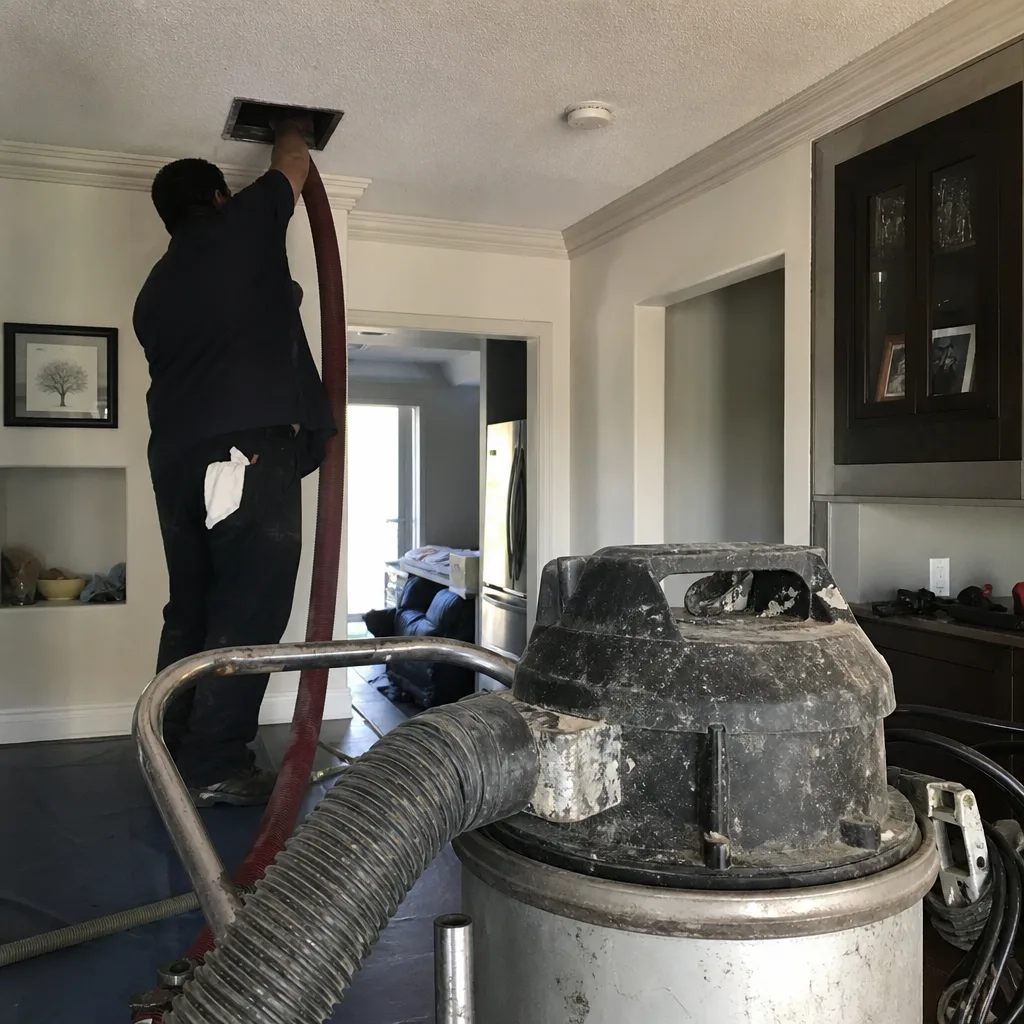
Some signals are homeowner-inspectable; others aren’t. Call a professional when a musty smell persists after you’ve changed the filter and confirmed the condensate pan under the air handler is draining cleanly, when more than two rooms show weak airflow on the tissue test, when a burner or electrical smell appears at startup, when visible duct runs in the attic are crushed, disconnected, or wet, or when an electric bill jump has tracked alongside a comfort change for more than two billing cycles. A containment-grade cleaning with proper negative-pressure equipment is not a DIY job because consumer vacuums and shop vacs don’t hold what they pull – they redistribute it.
Newport Beach Air Duct Cleaning offers free estimates in Newport Beach – call (833) 482-6044. We answer 24/7. Fast dispatch from 7am to 7pm, Sunday through Friday.
See the difference
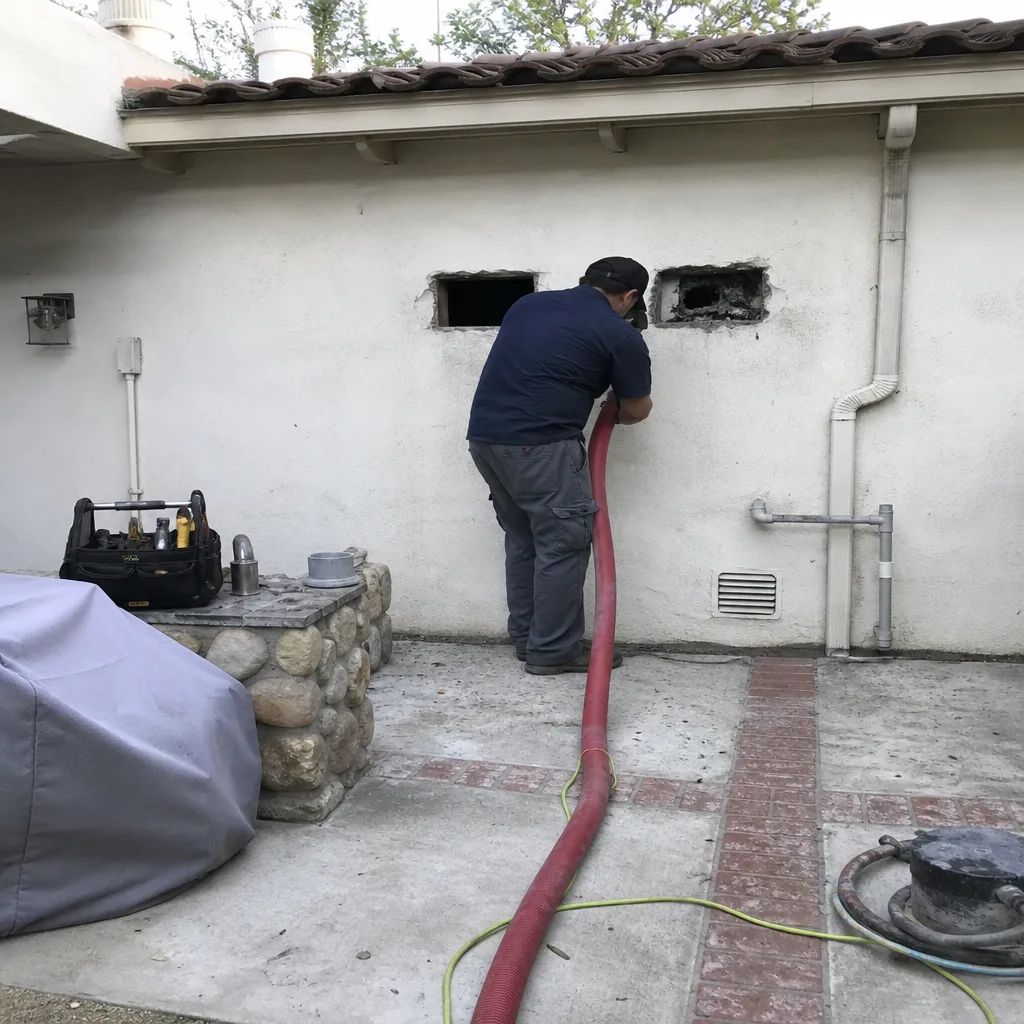 Before
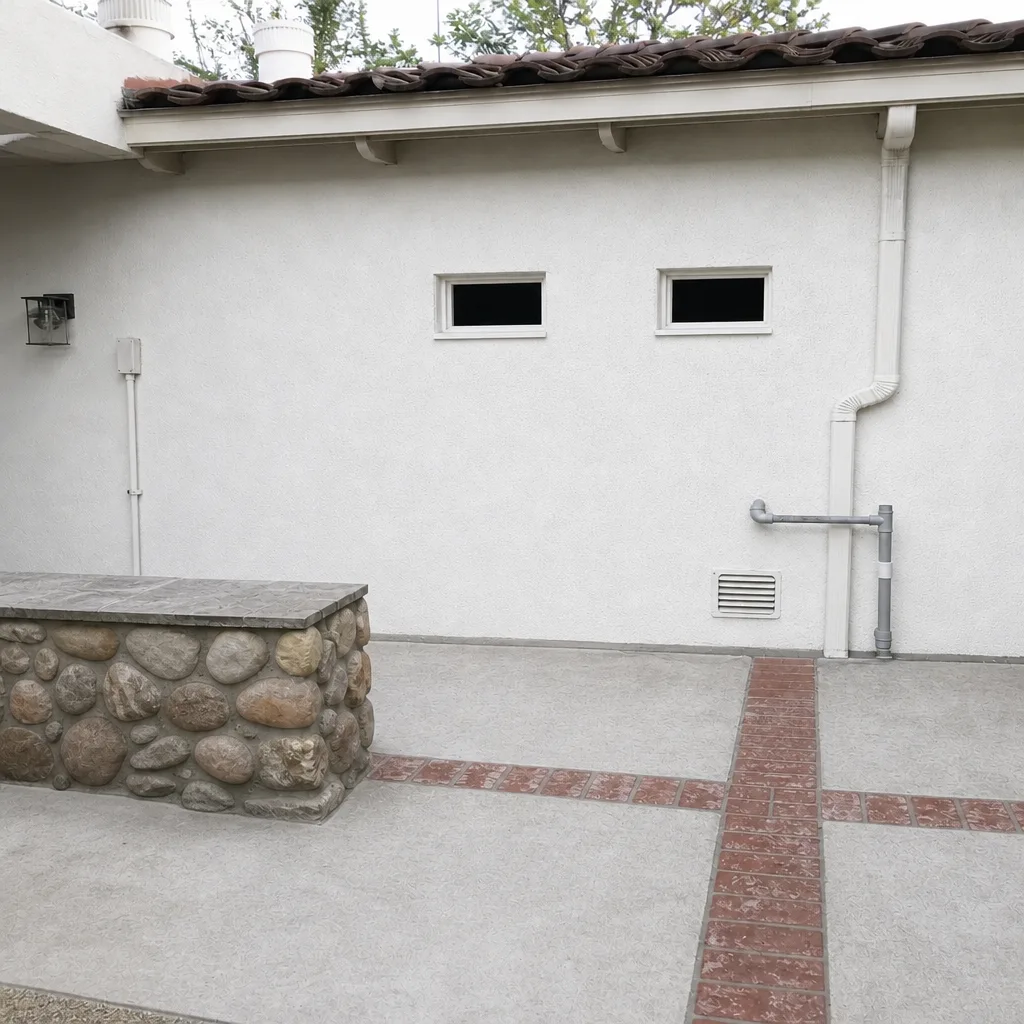 After
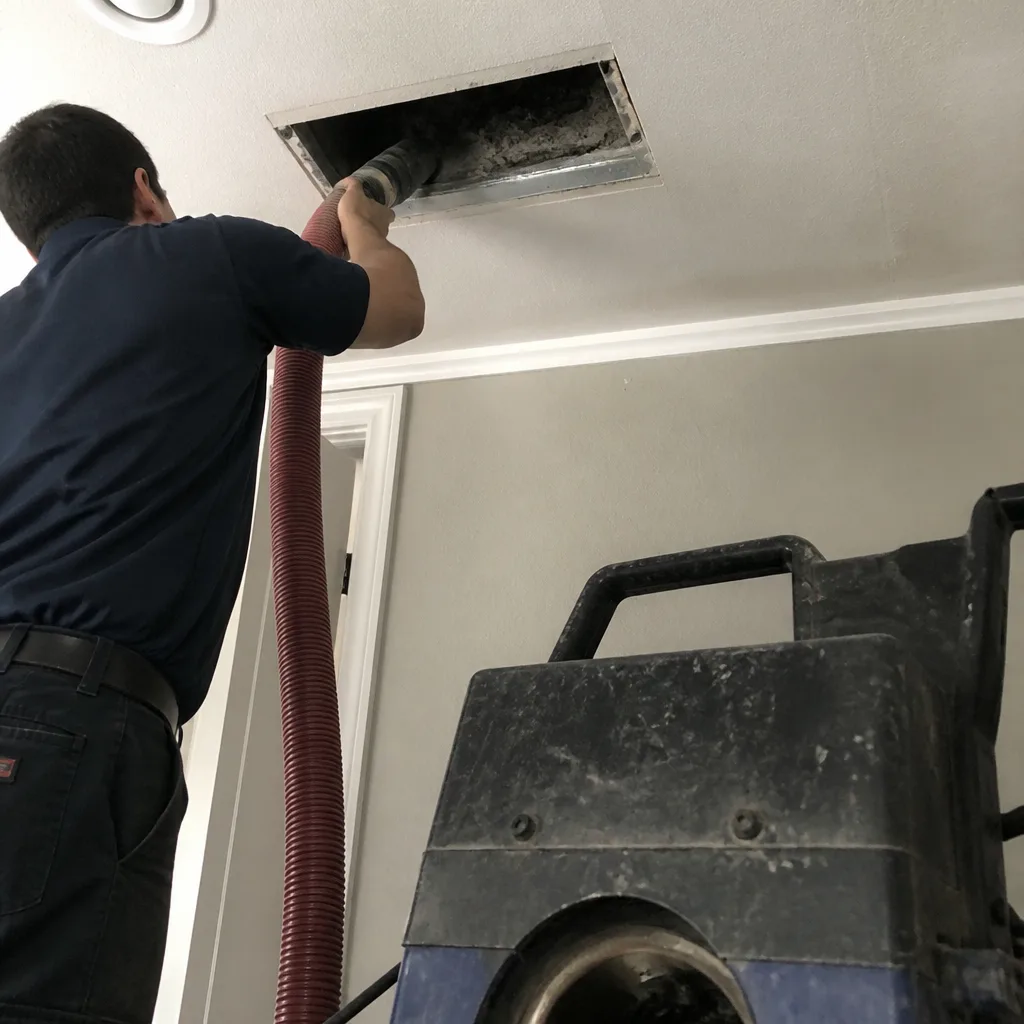 Before
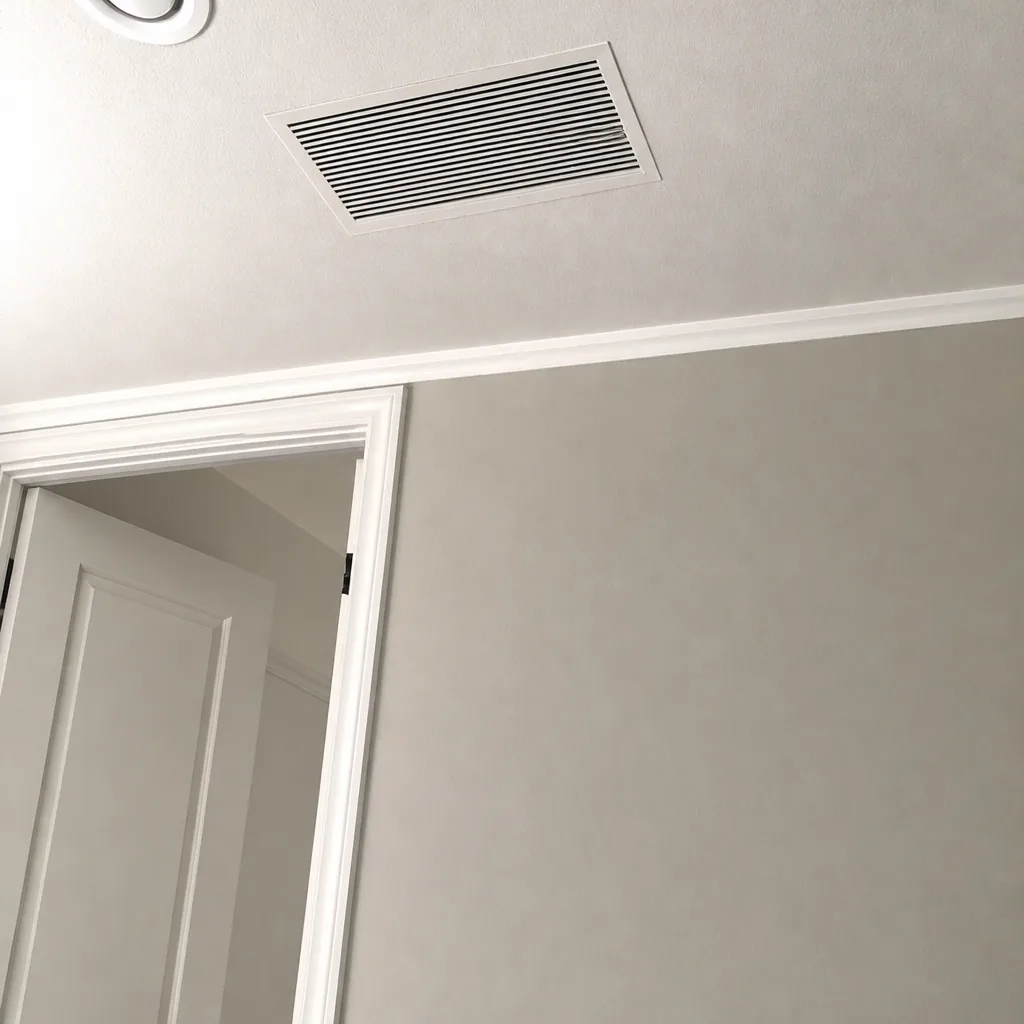 After
 Before
 After
Frequently Asked Questions
A musty smell that only shows up when the system starts is the most consistent early signal, because it points directly at moisture inside the duct run rather than at general debris. A dry dust smell is a dirt signal, but a damp smell means something is happening that will get worse. If your nose picks up the smell within the first minute of the AC or heat kicking on and it fades after a few minutes, that’s worth a professional look. Call (833) 482-6044 for an exact quote on an assessment – estimates are free.
Dirty ducts have consistent strong airflow at every register with dusty air; leaky ducts show pressure differences between rooms, temperature swings, and dust streaking around return frames. The tissue test at each register tells you which pattern you have. Scattered weak spots suggest debris; a whole zone or several rooms at once suggests a leak or a disconnected run. Book both checks together – cleaning a leaky system just pulls attic dust back in. Call (833) 482-6044 for an exact quote on a full-system assessment – estimates are free.
Yes, but indirectly. Blocked ducts and leaky ducts both make the system run longer to reach the thermostat setpoint, which shows up in kilowatt-hours rather than in the dollar amount. Check your usage number over several billing cycles, not just the total. A stepwise climb in usage alongside a comfort change is the pattern to look for. Call (833) 482-6044 for an exact quote on an airflow assessment – estimates are free.
Yes, and they have completely different causes. A dusty smell points at debris inside the duct system. A burning or hot-wire smell points at the HVAC equipment itself – a strained blower motor, an electrical issue, or a failing heating element – and shouldn’t be treated as a duct cleaning problem at all. Shut the system off and have the equipment inspected first. Once the equipment is confirmed sound, call (833) 482-6044 for an exact quote on the duct side – estimates are free.
There’s no fixed calendar interval; it depends on the house. Homes with pets, recent renovation, allergy-driven occupants, or a system that hasn’t been assessed in years tend to need it sooner. Homes with clean filters, no moisture issues, and strong airflow at every register can go much longer. The signal to act on is a pattern – smell, airflow, or temperature stability – not a schedule. Call (833) 482-6044 for an exact quote on an assessment – estimates are free.
Cheap quotes usually skip containment, skip the air handler, and skip mechanical agitation – the three things that actually remove debris rather than blow it around. A vacuum held to one register pulls a bit of dust out and leaves the walls of the duct untouched. Our work uses Rotobrush and Nikro mechanical systems with Abatement Technologies containment so what’s pulled out stays out. We quote one flat price per system after assessing it, in writing, before any work begins. Call (833) 482-6044 for an exact quote – estimates are free.
Ask for a before-and-after look at the inside of the ducts, an airflow reading at each register, and a written summary of what was found and sealed. A technician with the right equipment can photograph the duct interiors at each register and inside the air handler access panel. Those are the records that show the work. Call (833) 482-6044 for an exact quote on a residential or light-commercial assessment – estimates are free.
The Bottom Line
The warning signs that matter most in Newport Beach are the quiet ones: a smell that only appears when the AC starts, one room that never matches the house, a tissue test that won’t pull flat, a bill that rises while habits don’t, and streaking around the return grilles. Two or more of those together make a case for a full-system assessment – not just a cleaning. The cleaning handles the debris; sealing handles the leakage; an air-quality upgrade with a Honeywell or Aprilaire product handles the filtration side. Our technicians have up to 10 years of experience reading these signs on-site. One visit, full-system assessment, and a flat price agreed in writing before any work starts.
Call (833) 482-6044. We answer 24/7. Fast dispatch from 7am to 7pm, Sunday through Friday. If you’ve been meaning to look at the ductwork, this is a reasonable week to do it. Start with a free estimate and a proper look at the whole system – Newport Beach Air Duct Cleaning handles the evaluation, the air duct cleaning, the dryer vent cleaning, and the HVAC cleaning part of the job without handing you off to a different contractor. Breathe the difference once the assessment is done.
Written by the team at Newport Beach Air Duct Cleaning.