
Last updated November 25, 2026
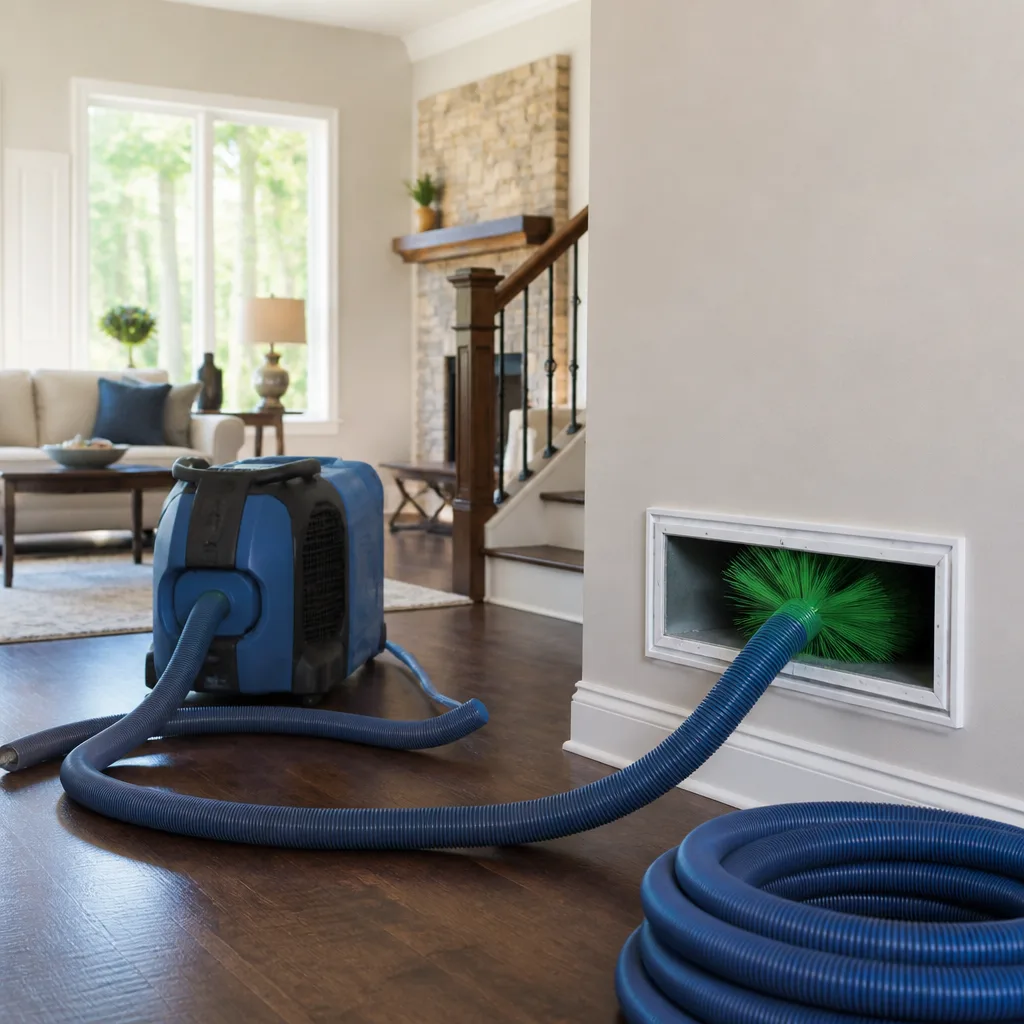 Whole-home duct cleaning
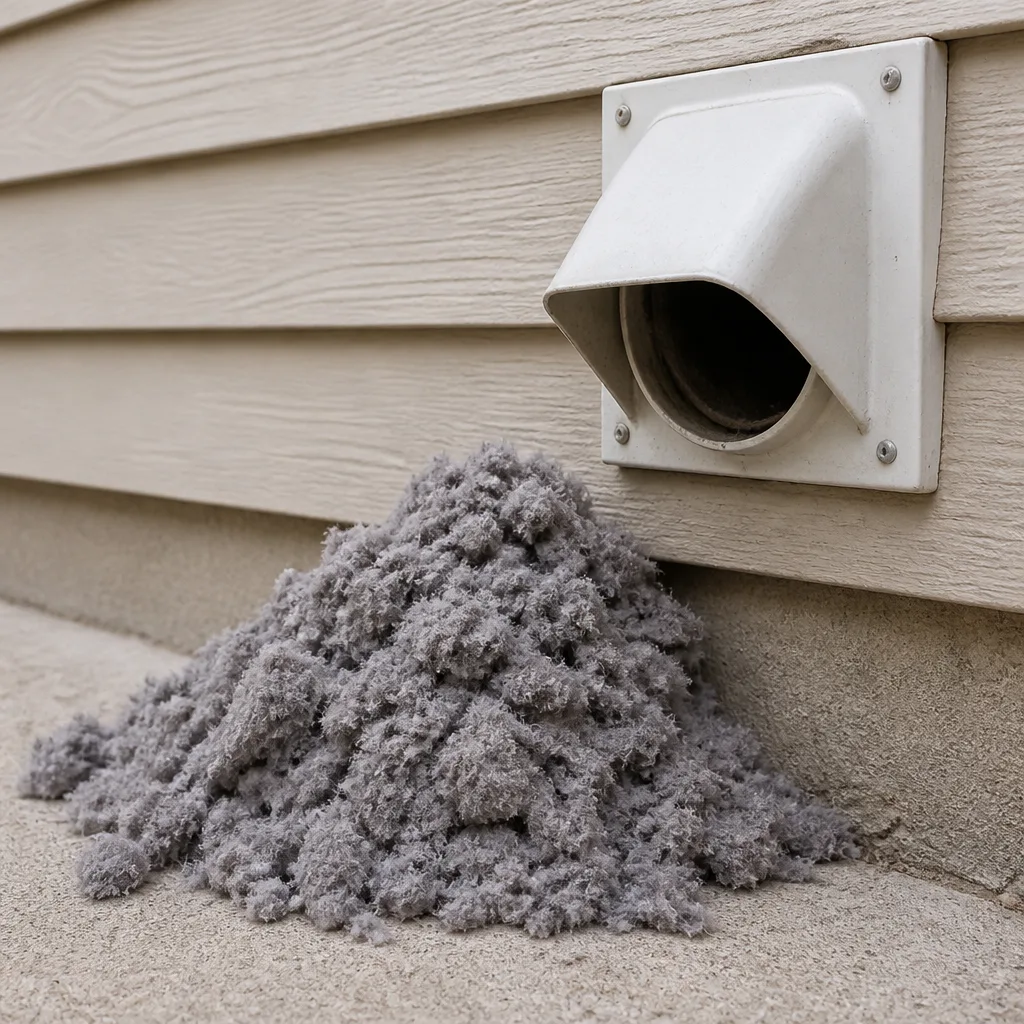 Dryer vent cleaning
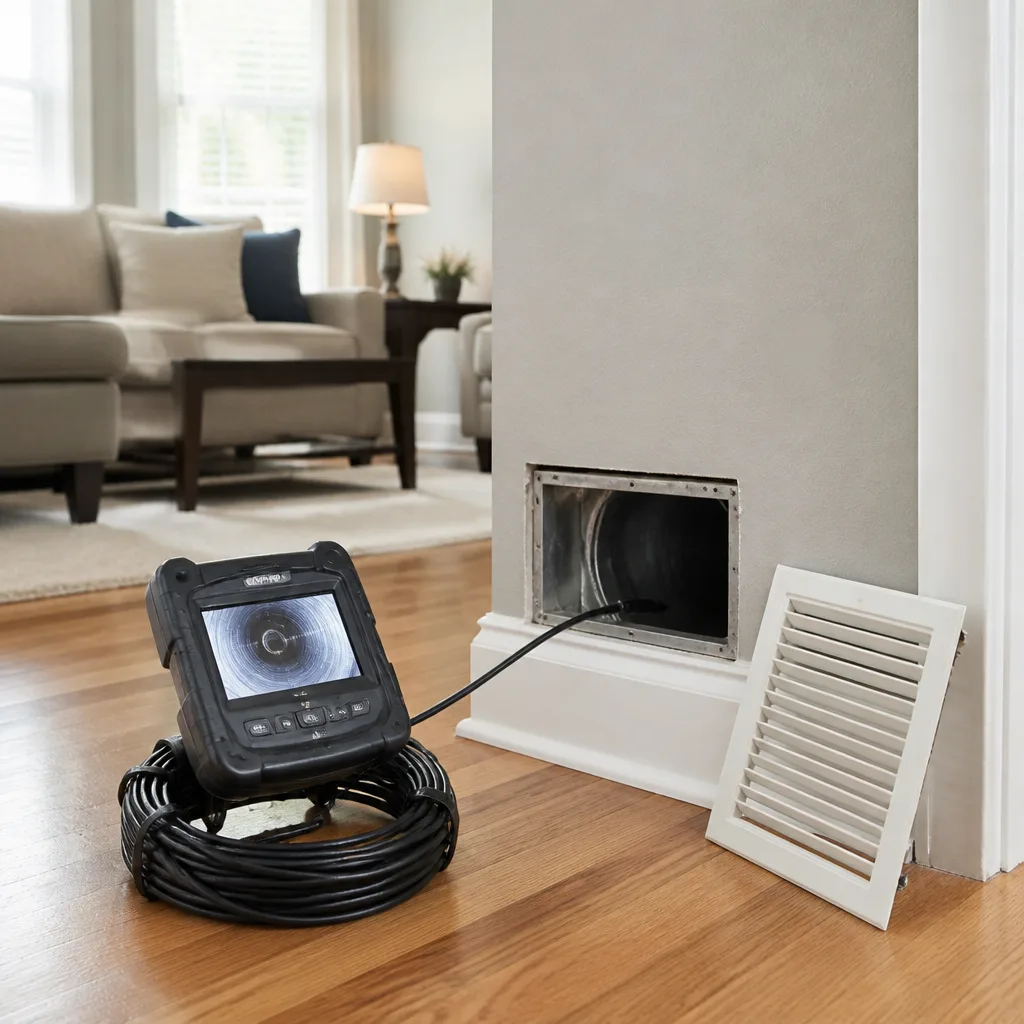 Camera inspection
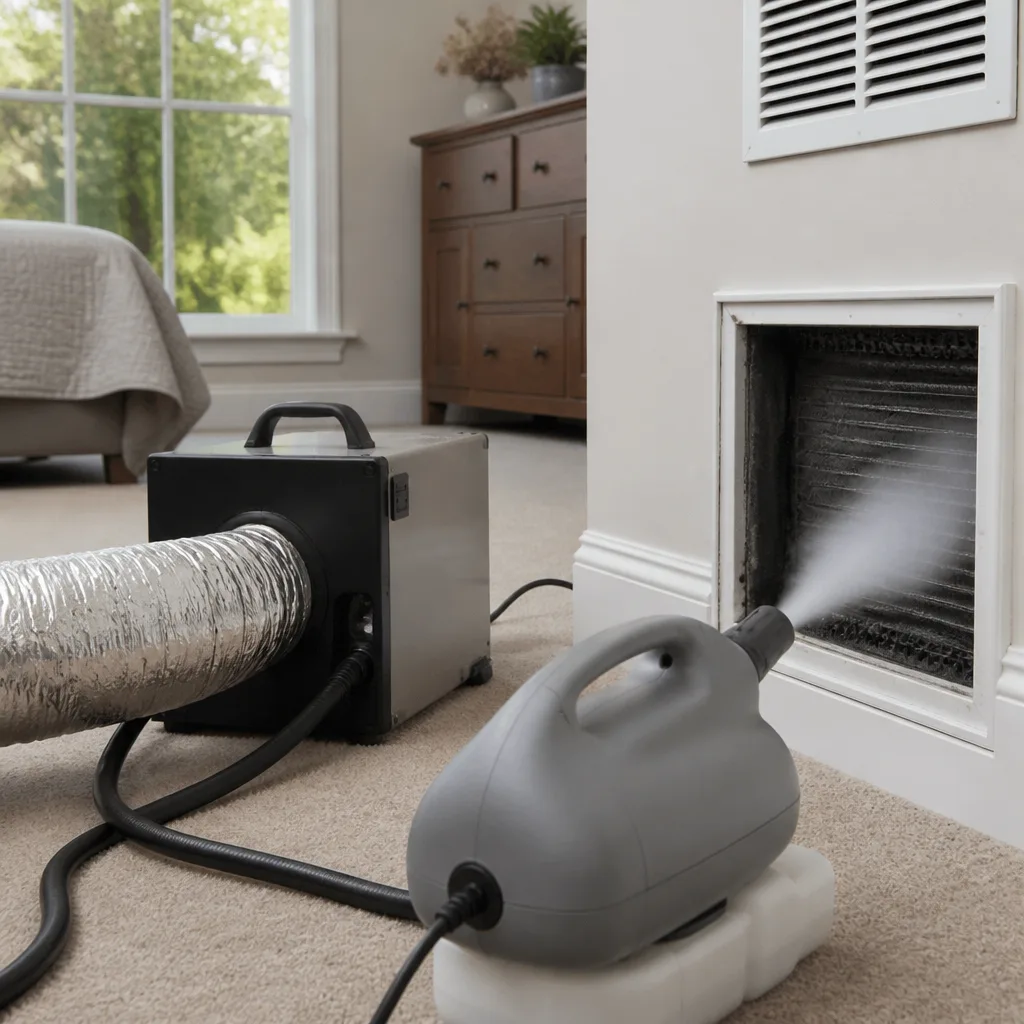 Sanitizing & deodorizing
Whole-system duct and dryer vent check with before-and-after photos - you see exactly what came out of your vents
That "$99 whole-house special" is a bait ad - the real number appears once they are in your hallway, or the "clean" is a shop-vac at the register. We photograph the inside of your ducts before and after instead.
Air Duct Cleaning Maintenance Checklist for Newport Beach Homeowners
Most duct maintenance advice stops at “change your filter.” That’s like checking a plane by kicking the tires. A MERV-8 filter left two weeks past its load limit can double the debris reaching your ductwork, and in a Newport Beach home that runs its system nearly year-round, two weeks matters. The problem isn’t laziness – it’s that nobody hands you a real protocol. This guide gives you one: a repeatable, owner-executable checklist built around the way Newport Beach homes actually breathe. You’ll learn what to do monthly, what to inspect quarterly, what to log yourself, and the exact moment a professional needs to step in.
Styles & brands we work with
- Whole-home duct cleaning
- Dryer vent cleaning
- Camera inspection
- Sanitizing & deodorizing
Quick Answer
A sound duct maintenance routine for a Newport Beach home has three layers: monthly owner tasks (filter checks, register inspection, filter-date logging), quarterly system checks (static pressure readings, grille condition, moisture signs), and annual professional service (full duct and HVAC cleaning, sealing inspection, air-quality review). Do the owner layer consistently and you’ll catch most problems before they compound. Call a professional when you see rust staining, rising static pressure, or visible debris blowing from registers.
Table of Contents
- Why Newport Beach Ducts Need Their Own Protocol
- Monthly Owner Checklist
- Filter-Change Intervals Calibrated to Newport Beach Conditions
- Quarterly Register and Grille Inspection
- Logging HVAC Static Pressure Yourself
- The Annual Professional Service Checklist
- Post-Renovation Protocol
- Post-Wildfire-Smoke Protocol
- Common Mistakes to Avoid
- When to Call a Professional
- Frequently Asked Questions
- The Bottom Line
Why Newport Beach Ducts Need Their Own Protocol
Duct maintenance is not the same job in every city. Newport Beach has a specific set of conditions that change what your ducts collect and how fast they collect it. The marine layer that sits over the area from May through September keeps humidity elevated and pulls fine particulate into the air. Homes here run their HVAC systems heavily, often with windows closed against that same layer. The result is a closed-loop system that concentrates whatever enters it.
Then there’s the housing stock. Newport Beach includes everything from mid-century tract homes near the airport corridor to newer builds in Eastbluff and Newport Coast, plus a steady stream of renovations in older neighborhoods like Balboa Island and Corona del Mar. Each of those situations loads ductwork differently:
- Older homes: original duct runs, sometimes with flex duct that has sagged or separated at joints
- Renovated homes: construction dust that enters the system and settles for months
- Newer builds: tighter envelopes that recirculate the same air with less natural exchange
- Homes near busy corridors: higher particulate load from traffic and roadway dust
Our technicians have up to 10 years of experience, and the pattern we see across Newport Beach is consistent: the homes that stay clean longest are the ones where the owner runs a real checklist, not the ones that just remember the filter occasionally. If you want the full picture of what air duct cleaning involves at the professional level, that’s covered separately. This guide is about the part you own.
Monthly Owner Checklist
These tasks take under fifteen minutes. Do them on the same day each month so they become automatic. Each one is a specific action, not a category.
- Pull and hold the filter up to light. If you can’t see light through it, it’s loaded. Don’t guess based on the calendar.
- Write the install date on the filter edge with a marker. This is the single most useful habit in duct maintenance. It ends the “when did I last change this?” problem permanently.
- Remove two or three supply registers and look inside with a flashlight. Rotate which ones you check. You’re looking for dust buildup on the duct walls, debris, or anything loose.
- Check return-air grilles for visible dust matting. A return grille that’s visibly gray is pulling more than it should.
- Listen at each register while the system runs. A whistle or rush of air at one vent means the balance has shifted. That’s information.
- Smell the air at a supply register. Musty or stale odor is your earliest moisture signal, well before you see anything.
- Wipe one register face with a white cloth. Note the color. Compare next month. A darkening trend tells you the load is increasing.
None of this requires tools or technical skill. What it requires is consistency, and that’s the whole point. A Newport Beach homeowner who does these seven things monthly will catch the majority of developing problems before they become expensive.
Filter-Change Intervals Calibrated to Newport Beach Conditions
A fixed “change every 90 days” schedule doesn’t fit Newport Beach. Your interval should shift with the season and the air quality around you. Here’s how to calibrate it.
The marine layer season runs May through September. During those months, humidity is higher, windows stay closed more often, and the system runs longer hours. Fine particulate that would otherwise disperse stays in suspension and gets pulled into the return. We recommend shortening your filter interval during this window.
- May through September: check the filter every 3-4 weeks. Replace when light no longer passes through.
- October through April: check every 4-6 weeks. The system runs less and particulate settles faster.
- During any renovation in or near your home: check weekly. Construction dust loads a filter fast.
- During a wildfire-smoke event anywhere in the region: check every few days and replace at the first sign of loading.
MERV rating matters too. A MERV-8 filter is a reasonable baseline for most homes. Higher-MERV filters capture more, but they also restrict airflow, which raises static pressure and can strain a system not designed for it. If you want to step up filtration, do it with a filter cabinet or media filter sized for your system rather than a thicker panel filter jammed into a slot. We supply and install Honeywell and Aprilaire filtration products for exactly this reason: the hardware has to match the system, not just the slot dimensions.
The key discipline is this: never let a loaded filter stay in place because “it’s not due yet.” The calendar is a reminder. The filter itself is the authority.
Quarterly Register and Grille Inspection
Once a quarter, go beyond dust. This is where you catch the things a monthly glance misses. Pull every register and grille you can reach and inspect deliberately.
What to look for beyond dust:
- Rust staining on the register frame or duct metal. This is your most important moisture signal. Rust means water has been present long enough to oxidize metal, which points to condensation, a roof or plumbing leak, or a duct run in a damp space.
- Water staining or tide marks on the duct interior or surrounding drywall, even without visible rust.
- Mold-like discoloration: dark speckling or fuzzy growth on duct surfaces near the register.
- Loose or disconnected duct joints. Reach in and gently test the connection. Flex duct that has separated at a collar is pulling unconditioned air from a crawlspace or attic.
- Sagging flex duct. Duct that has lost its support and droops forms a low point where debris and moisture collect.
- Debris accumulation at the boot where the duct meets the register. Heavy buildup at one register means that branch isn’t flowing properly.
- Grille damage or bent louvers that change airflow direction and create dead spots.
If you find rust staining or mold-like growth, stop and call. Those are not maintenance items; they’re symptoms of a root cause that needs diagnosis. Our HVAC cleaning service includes system-level inspection for exactly this reason: the duct is only part of the picture. We use Abatement Technologies equipment with containment-grade negative-pressure practices so that cleaning doesn’t spread what it finds.
Logging HVAC Static Pressure Yourself
Static pressure is the resistance your blower pushes against. It’s the single best measurable indicator of duct health, and a homeowner can log it with a basic manometer and a few minutes each quarter. You don’t need to diagnose it yourself. You need to track it.
When to take a reading:
- After a filter change, so the reading reflects a clean baseline.
- Once per quarter, on the same day, with the system running in the same mode.
- Immediately after any ductwork change, renovation, or new filter installation.
- Whenever you notice a register whistling or airflow feeling weaker than usual.
What a rising baseline means: a static pressure reading that climbs over successive quarters, with the same filter condition each time, points to developing restriction in the duct system. That can be debris accumulation, a partially collapsed flex run, a damper that’s drifted closed, or a separated joint pulling in air it shouldn’t. The number itself matters less than the trend. A flat line means your system is stable. A climbing line is an early warning you’d otherwise miss entirely.
Log the readings in a simple notebook or spreadsheet with the date and filter install date. Bring that log to any professional assessment. It’s genuinely useful diagnostic data, and few homeowners have it. When static pressure rises without an obvious cause, that’s the moment to have the system evaluated with professional-grade equipment. Rotobrush and Nikro mechanical cleaning platforms let a technician see and reach what a shop vacuum never could.
The Annual Professional Service Checklist
Once a year, the maintenance that requires real tooling and training should happen. Here’s what a complete annual service visit should include, so you know what to ask for and what to expect.
- Full system assessment: the technician evaluates the whole system, not just the visible duct. Supply and return runs, the air handler, the coil, and the blower.
- Duct cleaning with mechanical agitation: commercial-grade equipment, not a vacuum hose. Rotobrush and Nikro systems use rotating brushes and high-velocity extraction together.
- Negative-pressure containment: Abatement Technologies equipment keeps the workspace under containment so dislodged debris doesn’t migrate into living space.
- Sealing inspection: joints, collars, and connections checked for leakage. This is where Newport Beach Air Duct Cleaning goes beyond surface cleaning, because contamination re-entry happens at the gaps.
- Air-quality review: filtration and purification needs assessed and, if warranted, hardware solutions from Honeywell or Aprilaire specified and fitted on the same visit.
- Before-and-after photos: ask for them. Photos of your own ductwork are how you verify the work was actually done, not just billed.
One visit, full-system assessment. That’s the standard to hold any provider to, and it’s the standard we work to. If a quote covers only “duct cleaning” and nothing else, ask what’s being left out.
Post-Renovation Protocol
A renovation is not routine maintenance. It’s an event that loads your ductwork with materials your system was never designed to handle. Drywall dust, sawdust, insulation fibers, and adhesive particles all enter the return and settle in the duct. A standard filter change does not clear it.
Post-renovation checklist:
- During the work: seal supply and return registers in the work zone with plastic and tape. This is the highest-impact step and most people skip it.
- Keep the system off during active dusty work whenever the weather allows. A running system during demolition is a debris distribution system.
- Change the filter immediately after work concludes, and again after one week of running the system.
- Check every register for fines: drywall dust is fine, white, and travels far. If you see it at registers, it’s throughout the system.
- Schedule a professional cleaning if the renovation was substantial. Drywall dust in a duct system can cake onto surfaces and reduce flow for the life of the run if it isn’t mechanically removed.
- Inspect duct joints after the work. Construction traffic and vibration can separate flex connections.
Post-renovation is one of the most common reasons people call us in Newport Beach, and it’s also one of the most preventable. Seal first, and you cut the cleanup task dramatically.
Post-Wildfire-Smoke Protocol
Wildfire smoke is a distinct problem from construction dust, and it deserves its own protocol. Smoke carries fine particulate and odor compounds that lodge in filter media and settle on duct surfaces. Ash that enters the system is abrasive and corrosive over time.
Post-wildfire-smoke checklist:
- Replace the filter at the first sign of loading. Smoke-loaded filters stop capturing effectively and just pass particulate through.
- Consider stepping up filtration temporarily. A properly sized higher-MERV filter or media cabinet helps during smoke events. Confirm your system can handle the added restriction first.
- Check registers for ash or dark particulate. Visible ash at registers means it’s in the system.
- Smell the air at a supply register. Persistent smoke odor after outdoor air clears means the system is holding it.
- Have the system cleaned if odor persists. Odor compounds that have settled on duct surfaces need mechanical removal and, often, sanitizing.
- Review your filtration hardware afterward. If smoke events are becoming routine, a proper filtration upgrade is worth a conversation.
Our air-quality and sanitizing tier exists for exactly this scenario. Guardsman-grade sanitizing treatments address odor and microbial concerns on duct surfaces after mechanical cleaning. Sanitizing is not a substitute for cleaning; it follows it.
Common Mistakes to Avoid
- Trusting the calendar over the filter. A “three-month” filter is a rough estimate, not a rule. In Newport Beach during marine-layer season, a filter can load in four weeks. Check the filter, not the date.
- Running the system during renovation. This distributes drywall dust through every duct run in the house in minutes. Turn it off and seal the registers before demolition starts.
- Ignoring rust staining as “just cosmetic.” Rust on a register or duct means moisture has been present long enough to oxidize metal. Treat it as a symptom and find the source.
- Installing a higher-MERV filter without checking system capacity. An oversized filtration upgrade can raise static pressure beyond what the blower can handle, reducing airflow and straining the system. Match the filter to the system.
- Skipping the return-air side. Everyone checks supply registers. Returns carry most of the load, and a matted return grille is often the first visible sign of a system-wide problem in Newport Beach homes.
- Assuming a cheap clean is a complete clean. Surface vacuuming without mechanical agitation and containment leaves settled debris in place. Ask what equipment is being used and whether before-and-after photos are provided.
- Never logging anything. A static pressure reading means little alone. The trend over quarters is what tells you the system is changing. No log, no signal.
When to Call a Professional
Some problems are maintenance. Others need diagnosis and tooling. Call a professional when you see rust staining or water marks on registers or ductwork, when static pressure rises across successive readings with no obvious cause, when visible debris or dust blows from supply registers, when a persistent musty or smoke odor lingers at registers after the source is gone, or when a renovation or wildfire-smoke event has been substantial enough to load the system. Also call if you’ve never had the system professionally cleaned and the home is more than a few years old; a baseline assessment tells you where you stand.
Our technicians have up to 10 years of experience, and we use commercial-grade Rotobrush, Nikro, and Abatement Technologies equipment on residential work. Newport Beach Air Duct Cleaning offers free estimates in Newport Beach. Call (833) 482-6044. We answer 24/7. Fast dispatch from 7am to 7pm, Sunday through Friday. One flat price per system, agreed before work starts.
Frequently Asked Questions
Most Newport Beach homes benefit from professional cleaning every two to three years, but the schedule should follow conditions rather than a fixed calendar. A home that has undergone renovation, sits near a busy corridor, or has had wildfire-smoke exposure warrants a cleaning sooner. Homes with recent professional cleaning and consistent filter maintenance can often stretch longer. The monthly and quarterly checklists in this guide will tell you when your system is ready. Call (833) 482-6044 for an assessment – estimates are free.
Filter changes handle airborne particulate but not what has already settled in the duct. Once debris accumulates on duct surfaces, a filter can’t remove it, and in some cases a loaded duct continues to release particulate into the airstream. Filter maintenance slows accumulation and professional cleaning removes what’s already there. Both are needed, and the filter work is what makes the professional cleaning last longer. Call (833) 482-6044 if you’d like to know where your system stands.
Static pressure is the resistance the blower pushes against, and a rising baseline reading over successive quarters signals developing restriction in the duct system. It’s the most useful measurable indicator of duct health available to a homeowner, and logging it quarterly turns a vague “system feels weaker” into a clear trend. A flat line means the system is stable; a climbing line is an early warning. Call (833) 482-6044 when your readings start trending up.
Ask for before-and-after photos of your own ductwork, not stock images. A professional cleaning with mechanical agitation and containment produces visibly different duct interiors, and photos of your specific system are the verification. Reputable providers expect the request. Ours include the photos as part of the service. Call (833) 482-6044 for a free estimate and ask to see examples of what you’ll receive.
Cheap quotes usually reflect a vacuum-only approach without mechanical agitation or containment, which leaves settled debris in place and can spread it during the process. The equipment matters: commercial-grade Rotobrush and Nikro systems with Abatement Technologies containment cost more to run than a shop vacuum and a hose. We charge one flat price per system, agreed before work starts, with no per-vent pricing and no surprise additions. Call (833) 482-6044 for an honest estimate.
Yes, and it should be treated as a separate safety service rather than an add-on. Lint accumulation in a dryer vent is a fire hazard, and the vent has its own access points, its own inspection criteria, and its own cleaning method. Schedule it independently of duct cleaning based on dryer usage and lint volume. Our dryer vent cleaning is a dedicated service for that reason. Call (833) 482-6044 for a free estimate.
The Bottom Line
Duct maintenance works when it’s a protocol, not a habit. The monthly tasks catch loading early. The quarterly inspection catches moisture and joint failures before they spread. The static pressure log turns vague intuition into a trend line you can act on. The annual professional service handles what requires commercial-grade equipment and trained diagnosis. Post-renovation and post-wildfire-smoke events get their own checklists because they load the system in ways routine maintenance never encounters.
Run this checklist in your Newport Beach home and you’ll stay ahead of the problems that otherwise compound quietly for years. Our technicians have up to 10 years of experience and use Rotobrush, Nikro, and Abatement Technologies equipment on residential work, with Honeywell and Aprilaire air-quality products available for a same-visit upgrade. Newport Beach Air Duct Cleaning offers free estimates. Call (833) 482-6044. We answer 24/7. Fast dispatch from 7am to 7pm, Sunday through Friday. One flat price per system, agreed before work starts, with before-and-after photos of your own ducts. Clean ducts are only the start.
Written by the team at Newport Beach Air Duct Cleaning.
See the difference
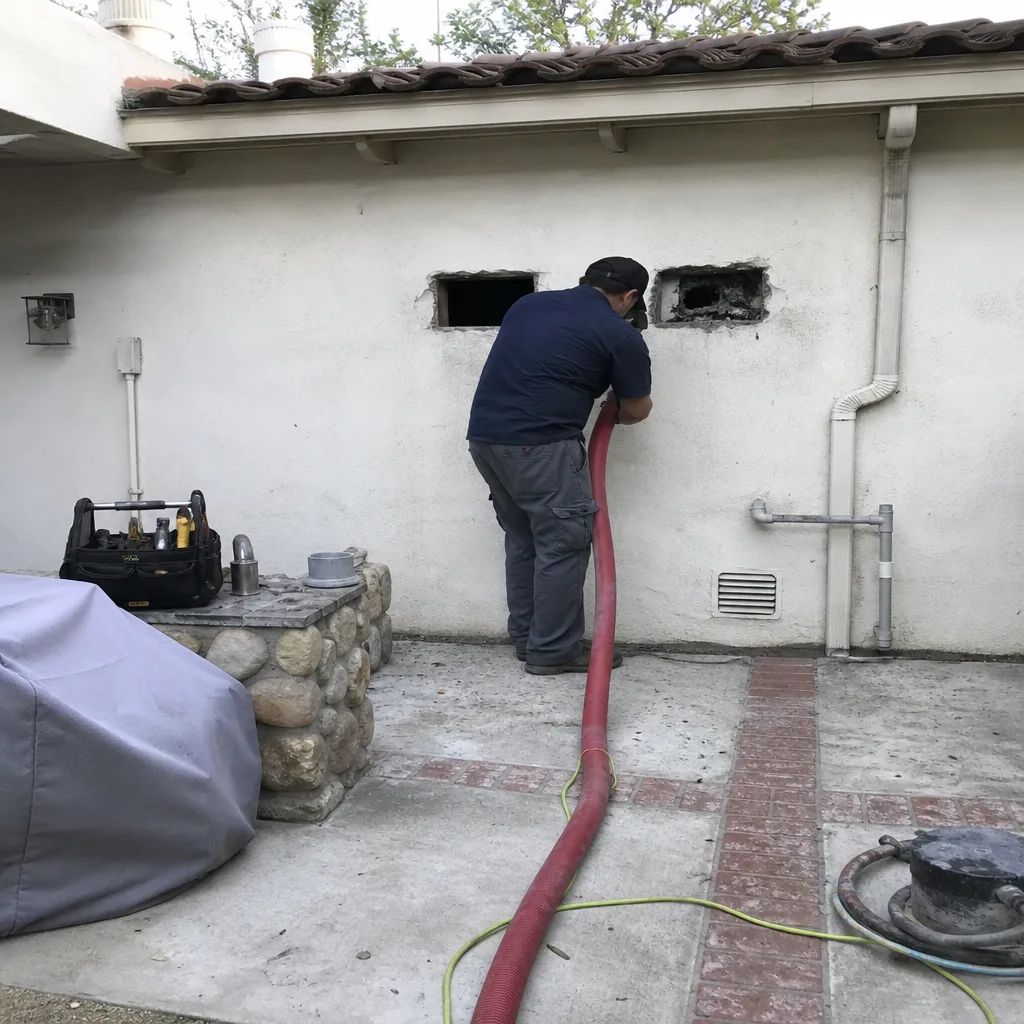 Before
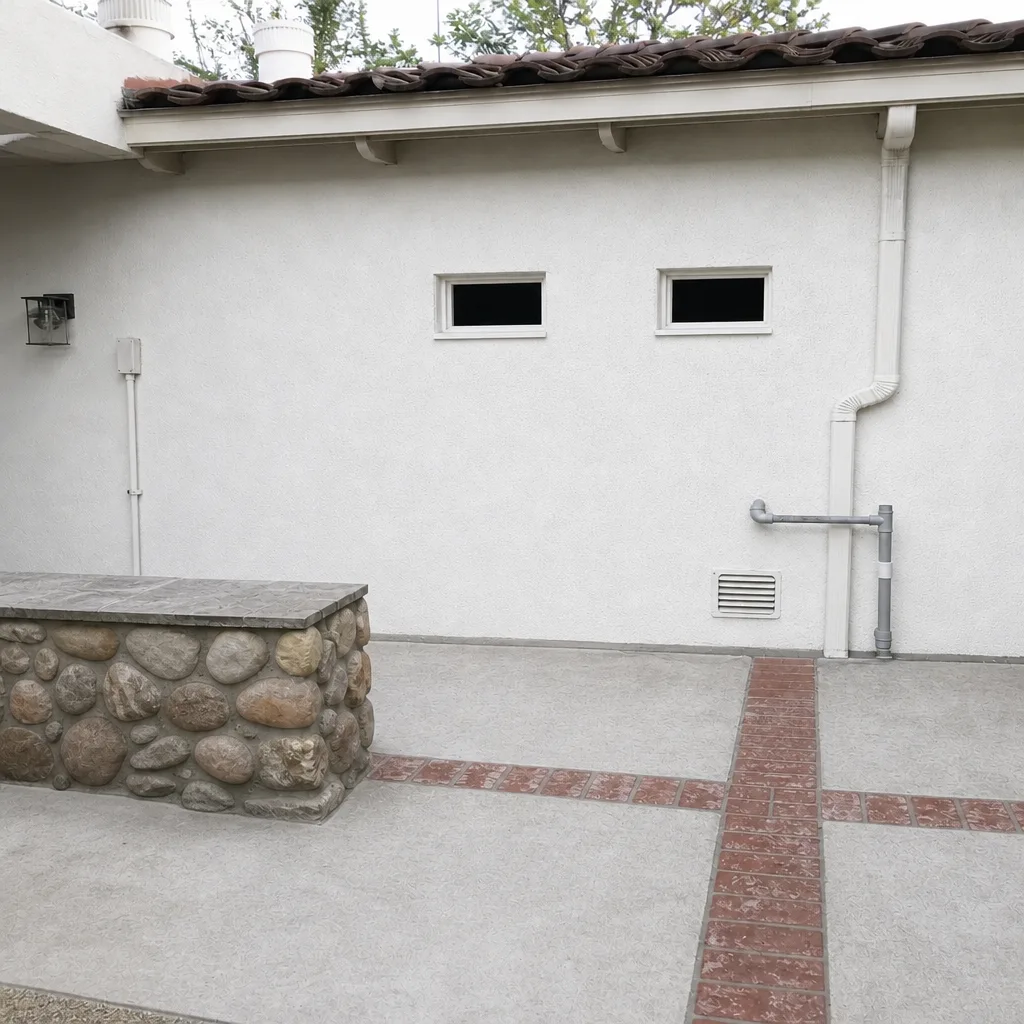 After
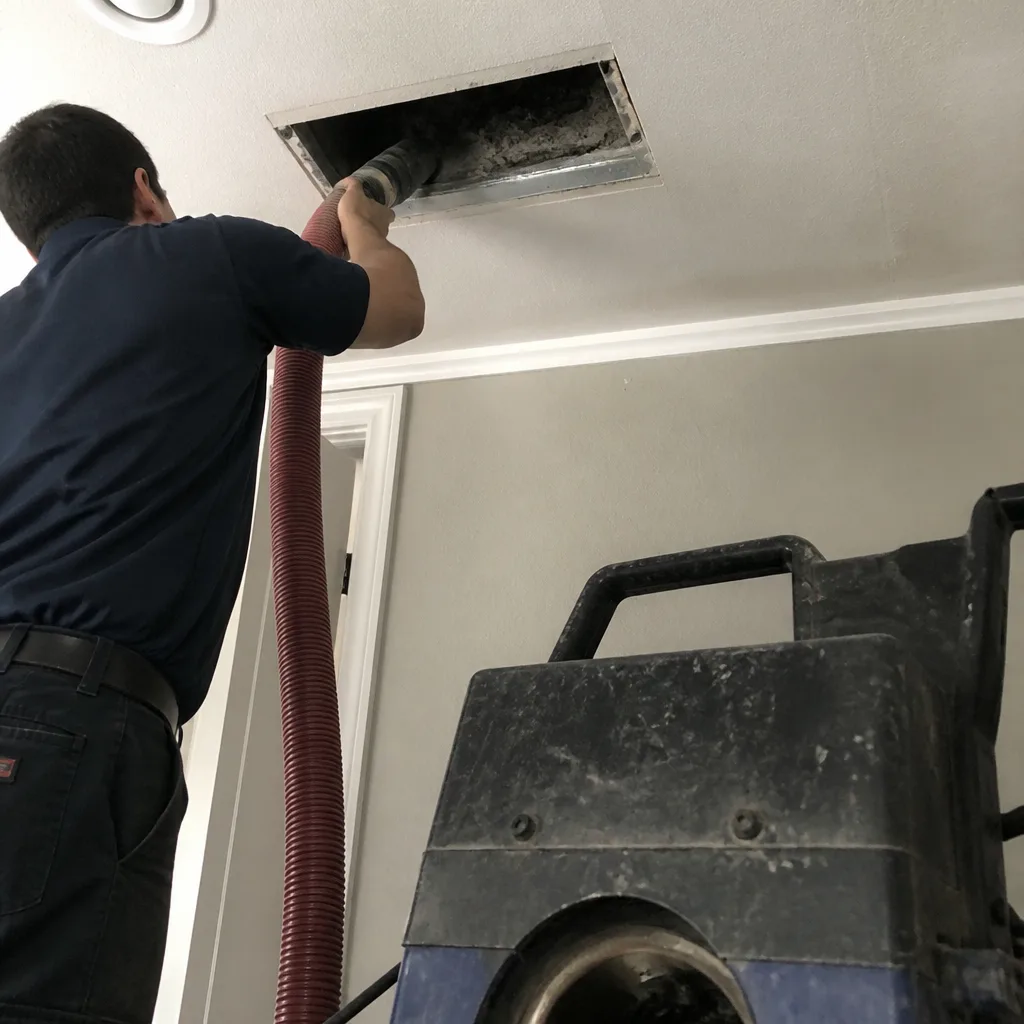 Before
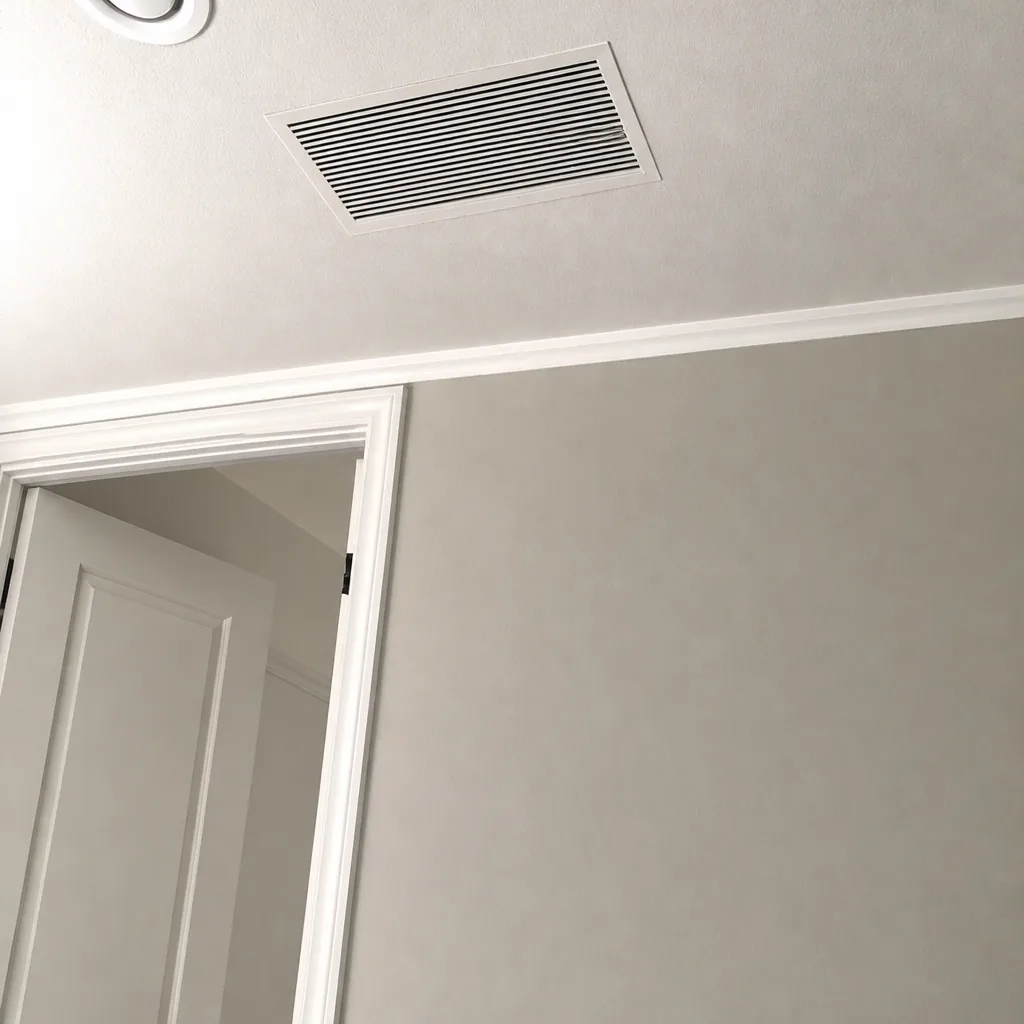 After
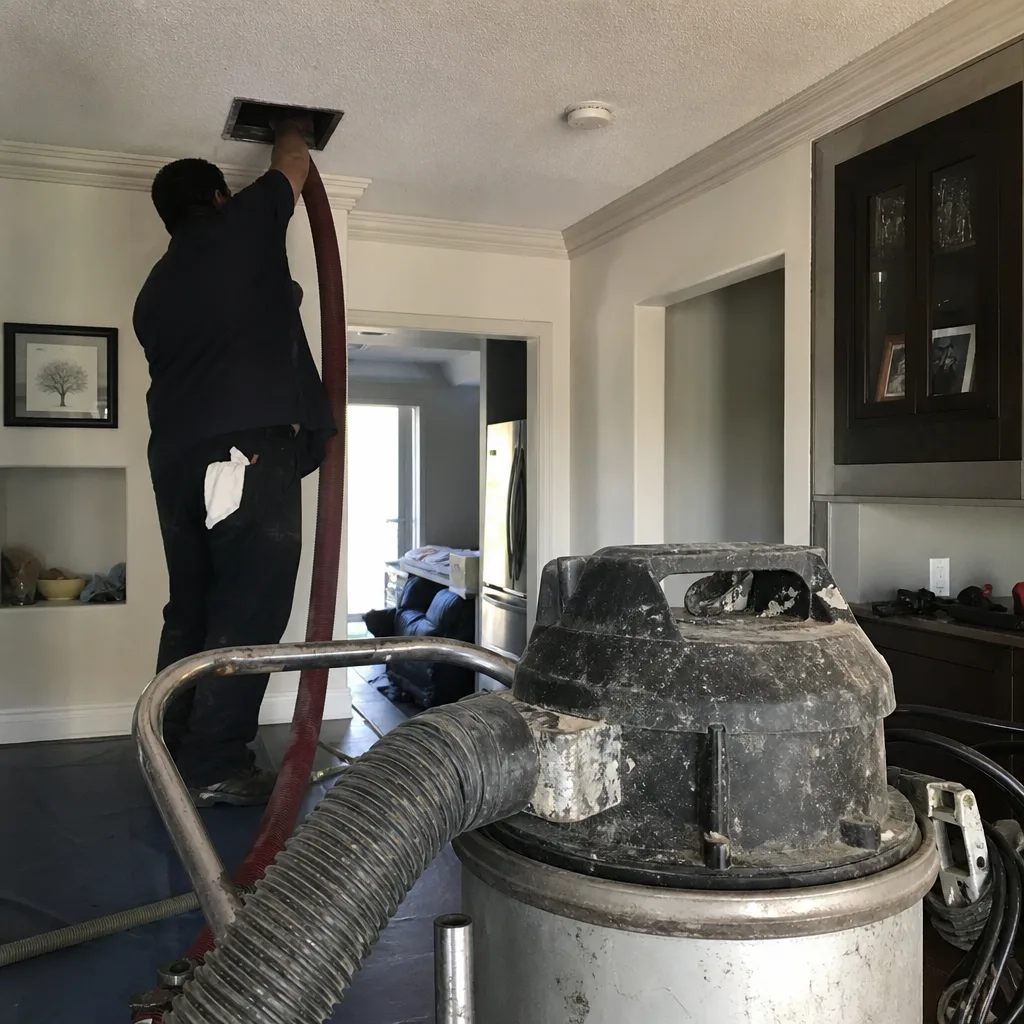 Before
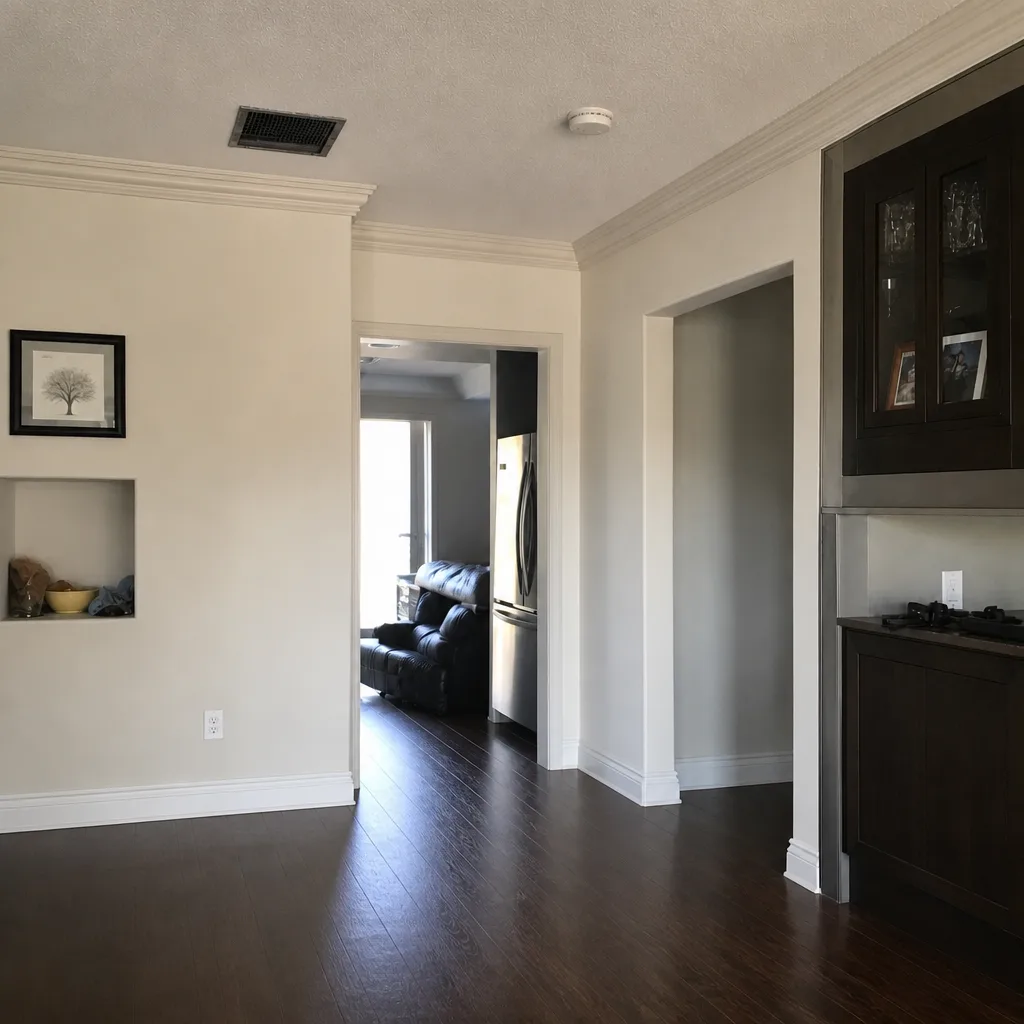 After