
Last updated November 25, 2026
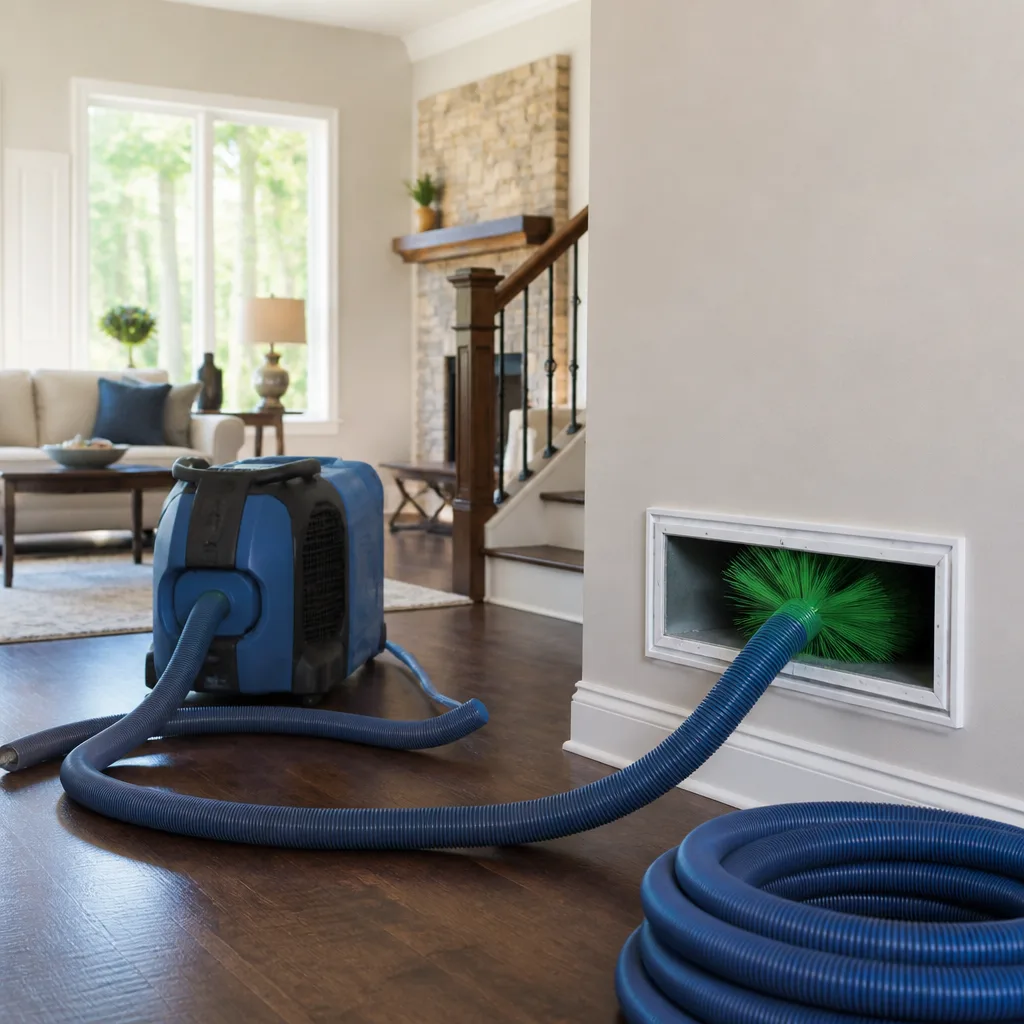 Whole-home duct cleaning
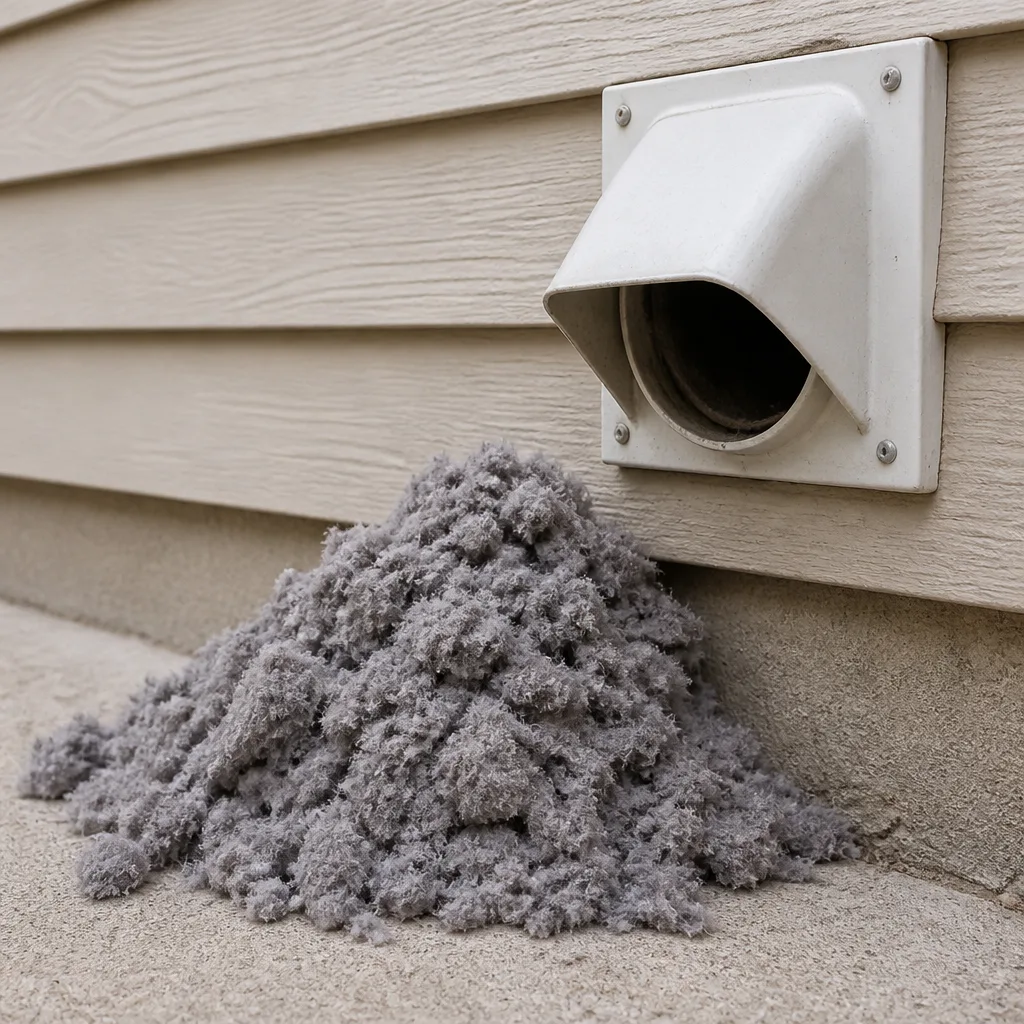 Dryer vent cleaning
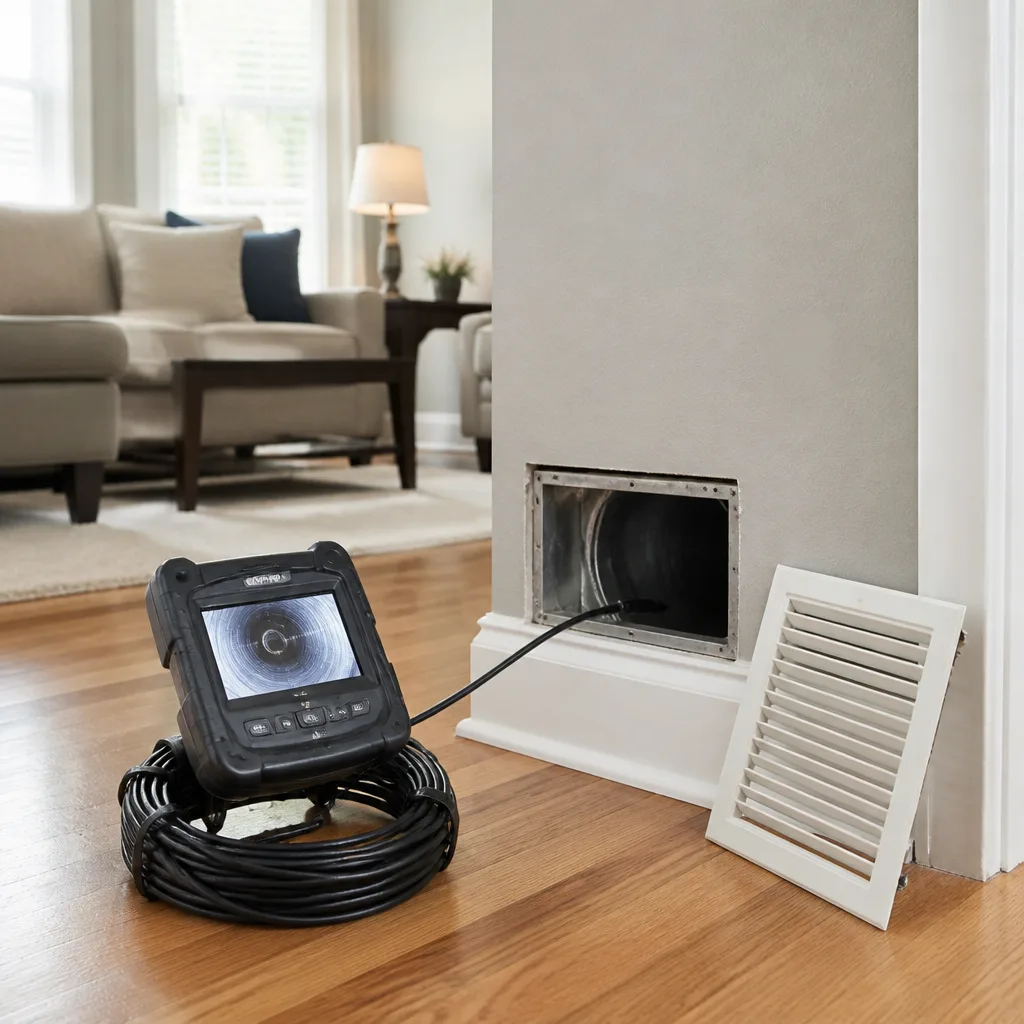 Camera inspection
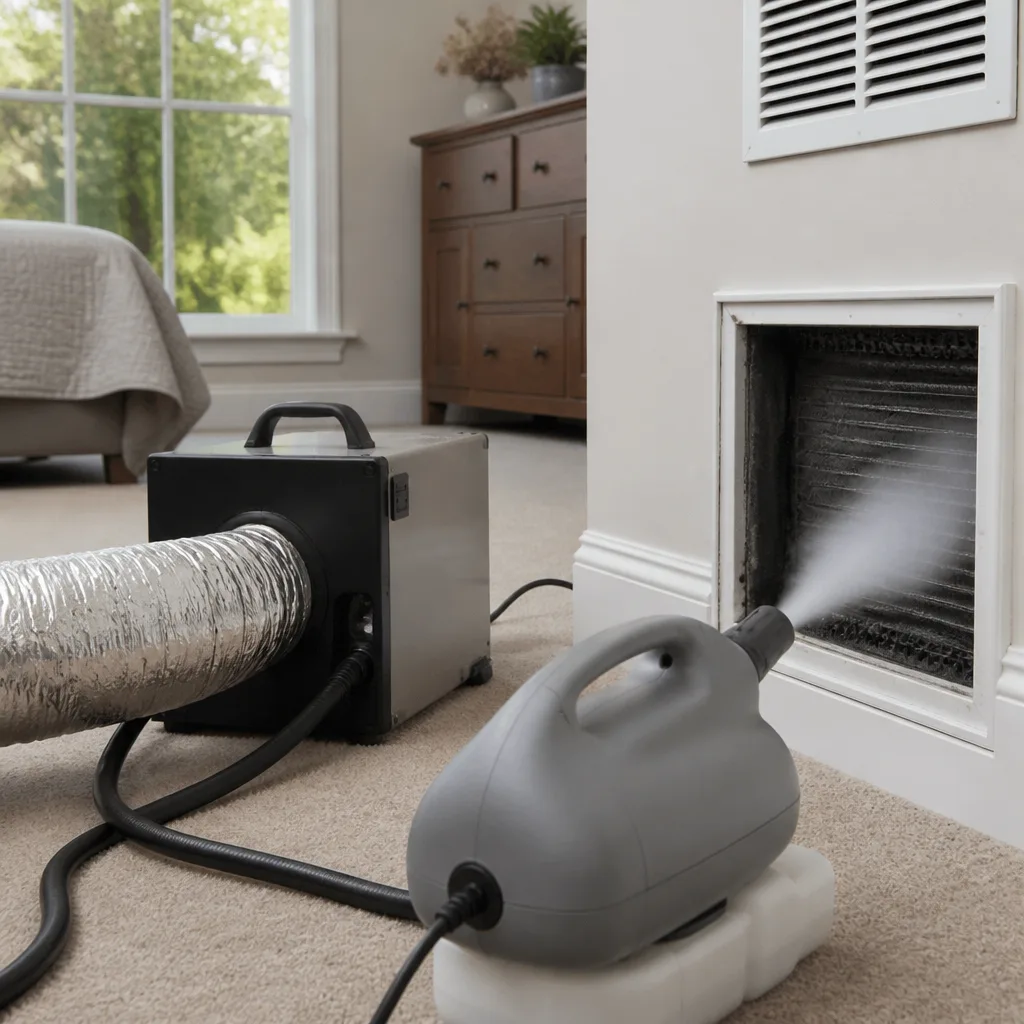 Sanitizing & deodorizing
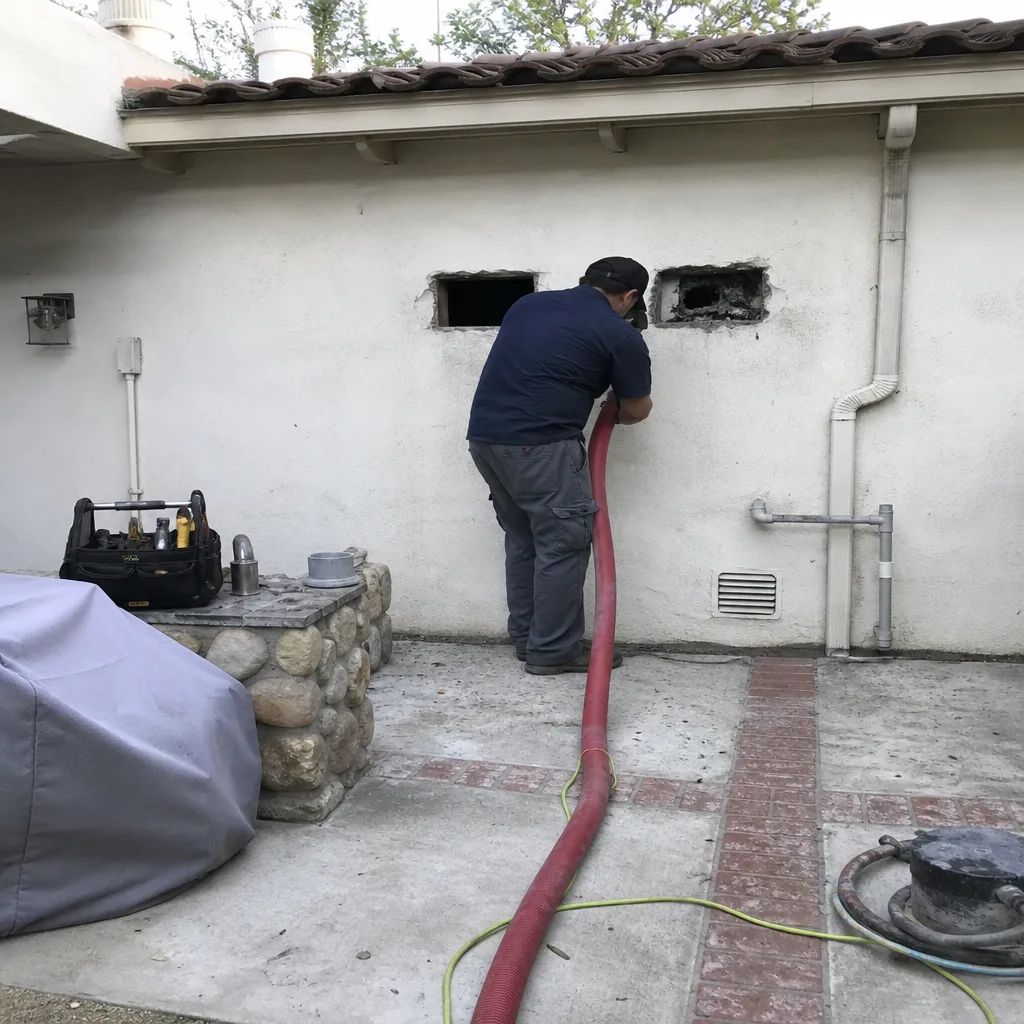
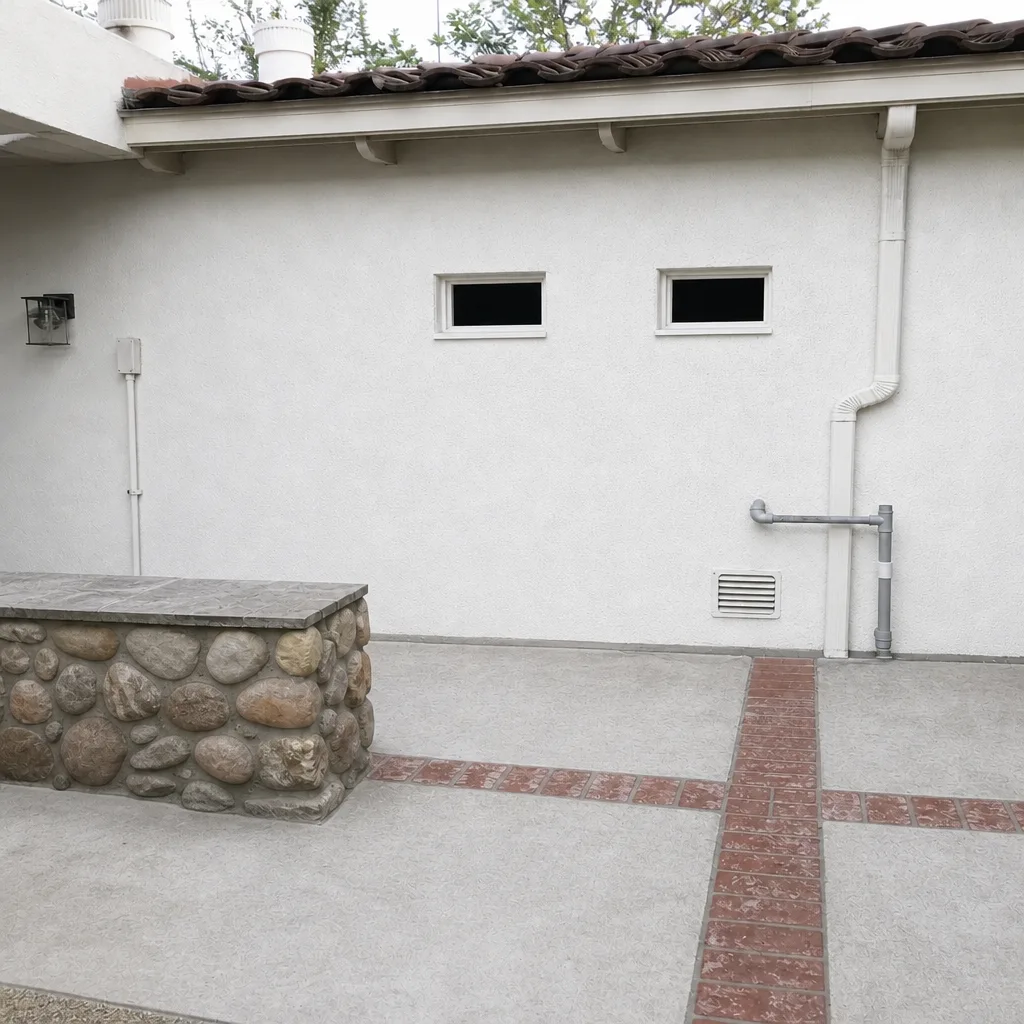
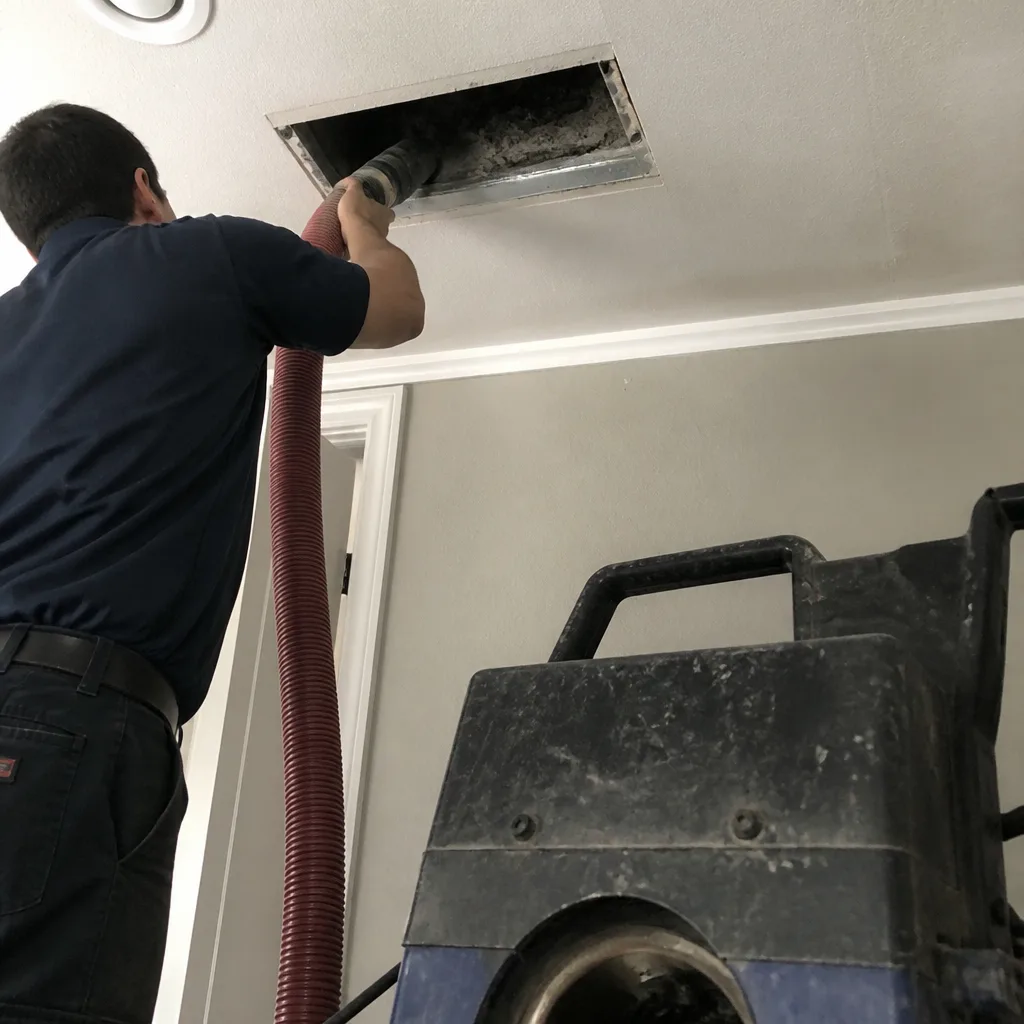
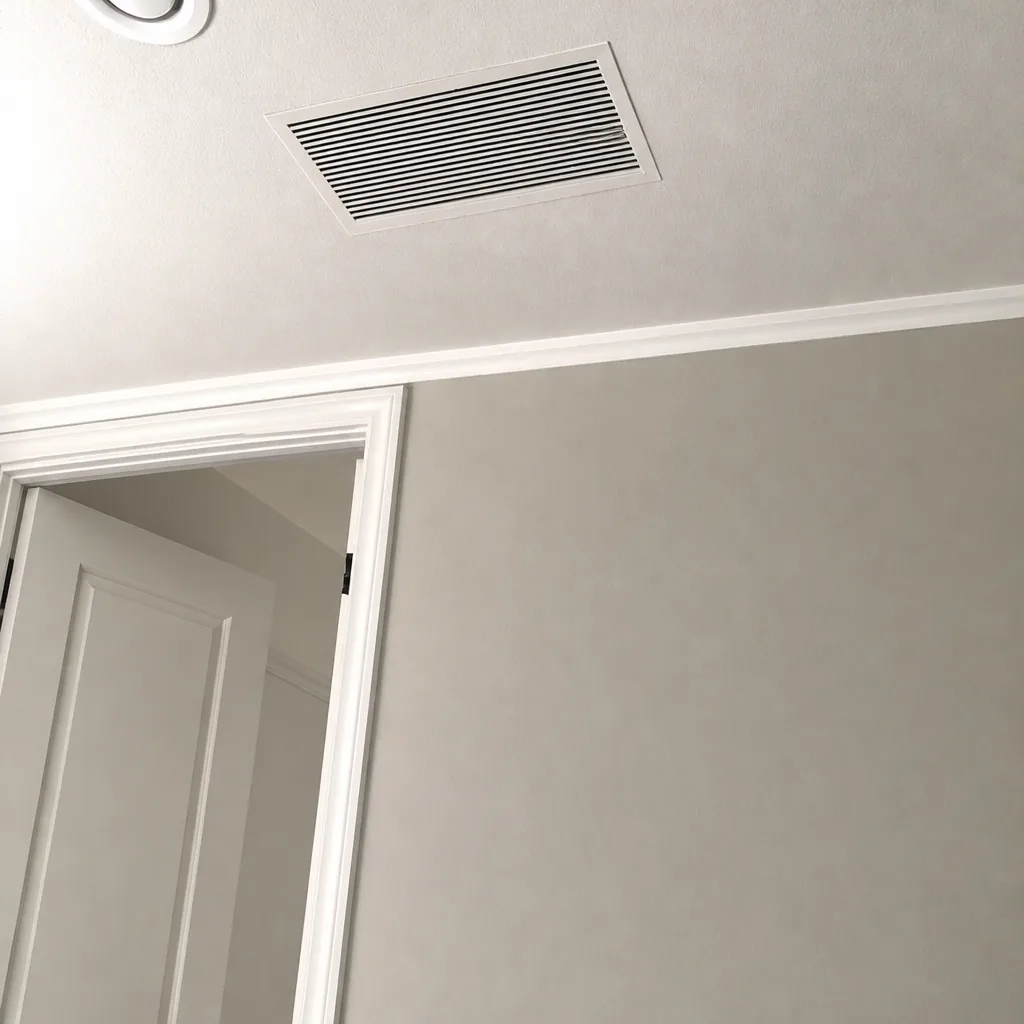
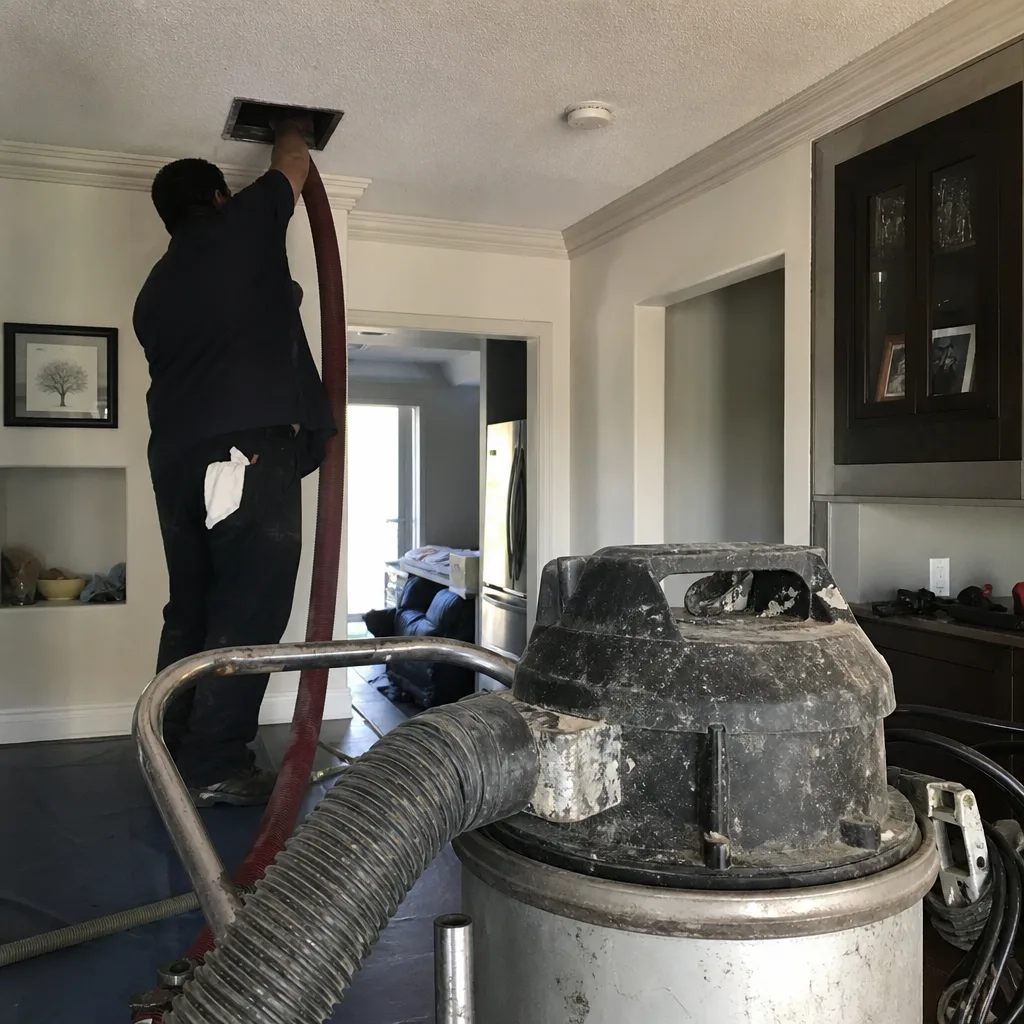
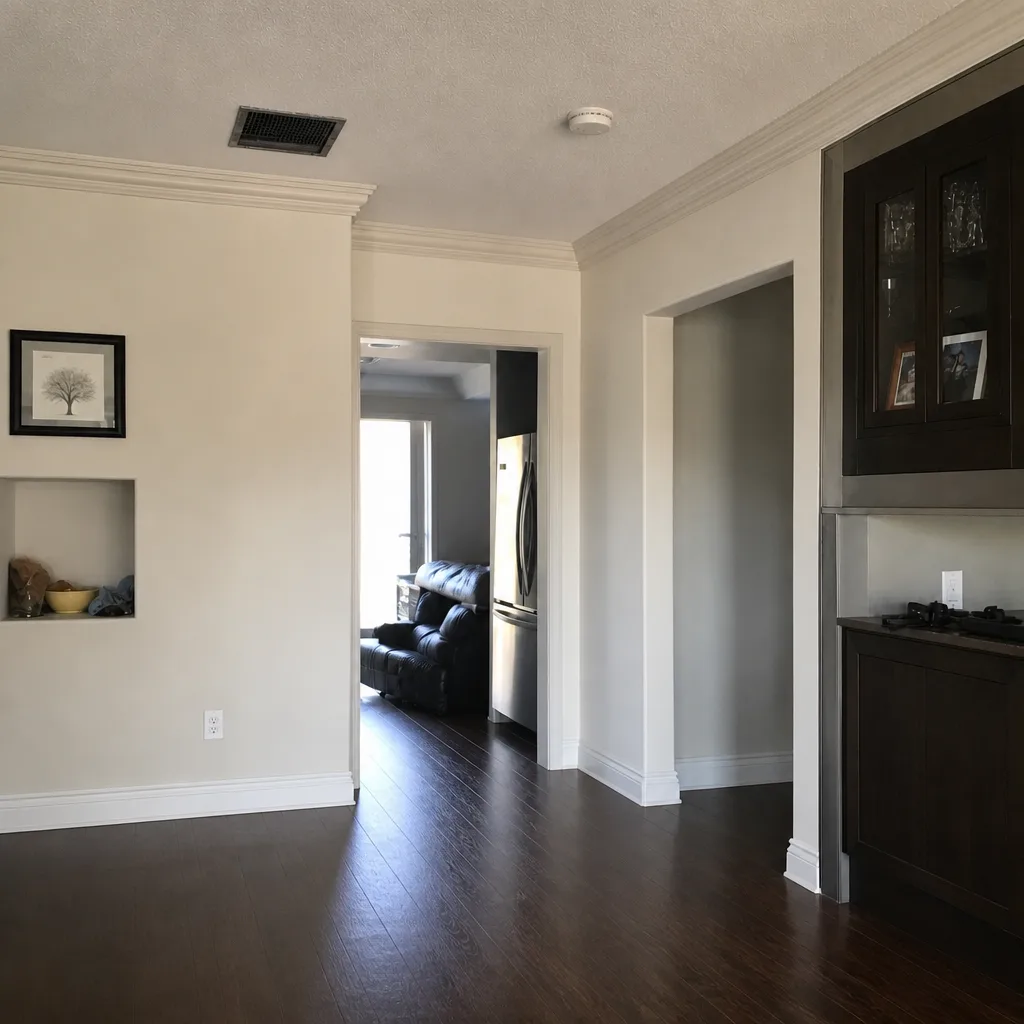
Whole-system duct and dryer vent check with before-and-after photos - you see exactly what came out of your vents
That "$99 whole-house special" is a bait ad - the real number appears once they are in your hallway, or the "clean" is a shop-vac at the register. We photograph the inside of your ducts before and after instead.
Air Duct Cleaning Cost Breakdown: The Newport Beach Homeowner’s Reference for 2026
A $150 whole-home duct cleaning quote and a $650 quote can both be for “duct cleaning,” and neither one is lying. That gap is the most important thing to understand before you hire anyone in Newport Beach. The cheaper number usually covers a portable vacuum and a quick pass over the registers. The higher number often covers a truck-mounted negative-pressure system, the air handler, the coil, and containment practices that keep debris from blowing back through your house. This reference breaks down every dollar of that difference, line by line, so you can read a quote on technical merit instead of guessing from the total. You’ll learn the pricing models, the equipment economics, which add-ons earn their keep, and how to sanity-check a number against your own home.
Styles & brands we work with
- Whole-home duct cleaning
- Dryer vent cleaning
- Camera inspection
- Sanitizing & deodorizing
Quick Answer
Whole-system air duct cleaning in Newport Beach typically runs about $350 to $700 for a standard single-family home with one HVAC system in 2026, with larger homes and multiple systems pushing into the $700 to $1,200 range or beyond. Per-vent pricing, where it’s offered, usually starts lower but often leaves out the air handler, blower, and coil, which are frequently the dirtiest components. The written estimate from a qualified technician is what sets your final price, not a phone quote.
Table of Contents
- Per-Vent vs. Whole-System Pricing: What You’re Actually Buying
- The Real Cost Drivers Behind the Quote
- 2026 Newport Beach Market Rate Ranges by Home Size and Duct Material
- Add-On Services Decoded: Worth It or Not
- Why Equipment Quality Changes the Price (and the Result)
- Calculating Your Return Using HVAC Efficiency, Not Health Claims
- How to Read a Quote Like a Technician
- How Often Newport Beach Homes Actually Need This
Per-Vent vs. Whole-System Pricing: What You’re Actually Buying
Two pricing models dominate the market, and they’re not interchangeable. Per-vent pricing charges a flat amount for each supply and return register in the home. Whole-system pricing charges for the entire HVAC air path, including the components nobody sees: the air handler cabinet, the evaporator coil, the blower wheel, and the main trunk line.
Here’s why that distinction matters in Newport Beach. In a typical Harbor View or Dover Shores home with a central system, the return-air side and air handler do the heaviest lifting and collect the most debris. Per-vent pricing often quietly excludes them, so a “12-vent” job can be priced without the one component that most affects what you breathe and how hard your system works.
What whole-system pricing should include
- All supply and return registers, brushed and vacuumed under negative pressure.
- The main trunk and branch lines, mechanically agitated with a rotating brush or air whip.
- The air handler cabinet, blower assembly, and evaporator coil surface.
- Negative-pressure containment throughout so dislodged debris leaves the system, not your living room.
- A documented before-and-after visual record of your own ducts.
When we quote a whole-system job, that’s the scope. Commercial-grade equipment, residential pricing. If a cheaper quote only touches the vents and skips the air handler, you’re comparing two different services wearing the same name. Ask each company directly which components are included, and have them point to it in writing. That single question separates serious quotes from teaser ones in Newport Beach more reliably than any review score.
The Real Cost Drivers Behind the Quote
Air duct cleaning cost in Newport Beach varies for concrete, technical reasons, not arbitrary ones. Five drivers move the number more than anything else.
- Number and type of HVAC systems. A home with two separate systems, common in larger Newport Beach properties, roughly doubles the labor and equipment time.
- Duct layout and accessibility. Long runs, tight attic clearances, and hard-to-reach returns all add time. A straightforward single-story layout prices lower than a multi-level with concealed chases.
- Duct material. Sheet-metal and flex duct clean differently than rigid fiberglass board, which requires gentler handling to avoid disturbing the lining.
- Level of contamination. Post-renovation dust, years of buildup, or pest activity all lengthen the job and may call for sanitizing after cleaning.
- Equipment used. A truck-mounted or high-capacity negative-pressure system costs more to run than a portable unit. That difference is legitimate and shows up in the result.
These drivers are also why phone quotes are nearly useless. A company quoting a flat number before seeing the system is guessing, and a guess usually gets revised upward once the technician is standing in your hallway. The estimate that holds is the one written after an on-site assessment. Call us for a free estimate and the scope gets defined before any work starts.
2026 Newport Beach Market Rate Ranges by Home Size and Duct Material
Treat every range below as an estimate, not a bid. They’re typical figures for the Newport Beach market in 2026, and your written estimate is what actually sets your price.
- Condo or small single-family, one system, under ~1,500 sq ft: roughly $350 to $550.
- Standard single-family, one system, ~1,500 to 2,500 sq ft: roughly $450 to $700.
- Larger single-family, two systems, ~2,500 to 3,500 sq ft: roughly $700 to $1,200.
- Multi-system or oversized homes: often $1,200 and up, priced per system.
Duct material shifts these figures too. Sheet-metal and flex duct are the most straightforward to clean. Rigid fiberglass board, sometimes found in older Newport Beach construction, needs a lighter touch and can add labor. Homes that have just come out of a remodel, and that’s frequent in Newport Beach given how much renovation happens around established neighborhoods like Lido Isle and Balboa Island, tend to land at the higher end because construction dust settles everywhere. We find what’s circulating through your home and price the actual scope, which is why the on-site look matters more than a mailed flyer.
Add-On Services Decoded: Worth It or Not
Add-ons are where quotes get confusing. Some are genuinely useful on the right system; others pad the bill. Here’s how to judge each one.
Coil cleaning
Worth it when the coil is visibly fouled. A dirty evaporator coil makes the system work harder and can affect cooling. If the technician can show you the coil condition, the upcharge is defensible. If they can’t, skip it.
Dryer vent cleaning
This is a safety service with its own logic, and treating it as a minor upsell undersells it. A clogged dryer vent is a leading household fire hazard. It’s best handled by a dedicated visit with the same systematic approach as HVAC work, not tossed onto a duct cleaning bill as an afterthought. We offer it as a standalone service precisely because it deserves real attention.
Antimicrobial and sanitizing treatment
Useful after contamination events, pest activity, or when cleaning stirs up organic matter. Guardsman-grade sanitizing treatments are available as part of our air-quality tier. On a clean, well-maintained system with no odor or moisture issue, it’s optional.
Filtration and purification upgrades
Worth considering when the cleaning reveals that the filter setup is undersized. Brands like Honeywell and Aprilaire offer products a technician can gauge and fit on the same visit. That’s a system improvement, not a cleaning line item, so judge it separately.
Why Equipment Quality Changes the Price (and the Result)
Equipment is the least visible cost driver and one of the most important. A portable shop-vac style unit moves far less air than a truck-mounted negative-pressure system. The larger system creates stronger suction, keeps the workspace under containment, and pulls debris out of long runs that a portable unit can’t reach. That capability costs more to operate, and it shows up in both the price and the outcome.
We run Rotobrush and Nikro mechanical cleaning platforms, plus Abatement Technologies equipment that supports containment-grade negative-pressure practices. That last part matters most in Newport Beach homes where the ducts and living space share the same air. Negative pressure means debris travels toward the machine, not back into your bedrooms. Consumer-grade vacuums can’t hold that seal. Commercial-grade equipment, residential pricing is the standard we hold to, and it’s why our quotes sit in the middle-to-upper part of the range rather than the floor of it.
One safety note: we never recommend opening the air handler or working around the coil or electrical connections yourself. Those components carry real risk, and the cleaning that matters happens with the right tools and containment. Leave the interior work to a trained technician.
Calculating Your Return Using HVAC Efficiency, Not Health Claims
Health claims sell duct cleaning, but they’re hard to measure, and responsible companies don’t lead with them. A more honest way to think about return is HVAC efficiency and system life.
Start with the mechanics. When a blower wheel and coil are caked with dust, airflow drops and the system runs longer to hit the same temperature. Restricted airflow also stresses the blower motor and compressor over time. Cleaning restores airflow, which is something you can actually verify: a technician can measure static pressure or airflow before and after. That’s a concrete before-and-after, not a promise.
To estimate your own return:
- Note your system’s age and how hard it seems to work in warm months (long run times, uneven cooling).
- Ask the technician to document restrict
See the difference
 Before
 After
 Before
 After
 Before
 After